





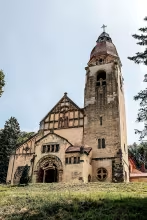
The Church of Saint John Nepomucene in Štěchovice is a notable parish church built between 1911 and 1915. Architect Kamil Hilbert designed it as an architectural testament to the transition from traditional styles to modernist movements, particularly Art Nouveau with Romanesque influences inspired by Beuronese art. Located in Štěchovice within Středočeský kraj, this church is distinguished by its unique blend of raw concrete for structural elements and sandstone for exterior detailing.
The origins of the Church date back to 1853 when merchant Matěj Rada bequeathed funds specifically for a church in Štěchovice. Construction began in 1911 after securing necessary financial resources. Architect Kamil Hilbert envisioned harmonizing Art Nouveau with Romanesque elements, using innovative materials and design techniques reflective of early 20th-century architectural trends in Bohemia, then part of Austria-Hungary.
Architecturally, the church features three naves ending in apses, with a flat ceiling in the main nave. Raw concrete is used for structural components such as ceilings, window and door frames, and columns supporting inter-nave arches. Sandstone was employed for exterior elements like the entrance portal, window tracery, and roof parapets. This material combination highlights its Art Nouveau style and Romanesque influences, evident in quasi-Romanesque vaulted ceilings with triangular intersections on the side naves.
Throughout its history, the Church has witnessed significant events shaping its legacy. Construction was completed on December 7, 1913, marked by hanging four bells. During both World Wars, some bells were requisitioned, leaving only a small one remaining. In 1944, electricity was introduced to the church, marking another development in its history.
The interior is adorned with murals created by František Frölich, adding an artistic dimension that complements its architectural style. These murals reflect Art Nouveau influence and contribute to aesthetic harmony within the space. The design also incorporates elements reminiscent of Byzantine art, particularly in ornamentation, enriching its visual appeal.
Today, the Church remains a significant cultural and historical landmark in Štěchovice. It continues as an active parish church while attracting visitors interested in its architectural beauty and historical significance. Its combination of Art Nouveau and Romanesque elements, along with rich history, makes it a worthwhile destination for those exploring the region's heritage.
Visitors are invited to experience this remarkable blend of artistry and history at the Church of Saint John Nepomucene. Its unique design and storied past offer insights into early 20th-century architectural innovation and cultural shifts in Bohemia, making it an enriching stop on any historical tour of the area.
Historical milestones
- 1853
- Merchant Matěj Rada bequeathed funds for a church in Štěchovice.
- 1911
- Construction of the Church of Saint John Nepomucene began.
- 1913
- Construction completed on December 7, marked by hanging four bells.
- 1944
- Electricity was introduced to the church.
Architectural development
Construction began in 1911 after financial resources were secured. The building features a combination of Romanesque and Art Nouveau elements, with raw concrete used for structural components and sandstone for exterior details. The church includes three naves ending in apses, with the main nave having a flat ceiling.
Historical events
In 1853, merchant Matěj Rada bequeathed funds for a church in Štěchovice, leading to its construction starting in 1911.
The church was consecrated on October 23, 1915.
Points of interest
- Despite being a modernist structure from the early 20th century, the Church of Saint John Nepomucene incorporates Byzantine art elements in its ornamentation, showcasing an unexpected fusion of styles that enriches its visual narrative.
- The church's construction was funded by a bequest from merchant Matěj Rada in 1853, highlighting how private individuals played crucial roles in shaping local cultural landscapes during the Austro-Hungarian period.
Guide
Show guide text
Welcome to the Church of Saint John Nepomucene in Štěchovice, a remarkable testament to architectural innovation and historical significance. As you stand before this stunning structure, take a moment to absorb its presence. The church's design melds modernist sensibilities with unexpected artistic influences, creating an atmosphere that is both serene and intriguing.
The story of this church begins in 1853 when merchant Matěj Rada bequeathed funds for its construction. This generous act set the stage for what would become a significant architectural endeavor over six decades later. The actual construction commenced in 1911 under the visionary guidance of architect Kamil Hilbert, and by December 7, 1913, it was completed with the symbolic hanging of four bells, marking its readiness to serve as a spiritual haven.
As you gaze upon the church, notice its Art Nouveau style, which is beautifully complemented by Romanesque elements. This fusion creates an aesthetic that is both unique and captivating. The use of raw concrete for structural components contrasts with the detailed sandstone work on the exterior, offering a tactile experience as much as a visual one.
One of the most fascinating aspects of this church is its incorporation of Byzantine art in its ornamentation. Despite being constructed in the early 20th century, these elements bring an unexpected depth to the building's narrative, blending historical styles in a way that enriches your understanding and appreciation of its design.
The church has seen significant developments over time, including the introduction of electricity in 1944, which marked another chapter in its storied existence. While specific historical figures connected with this site remain unknown, the legacy of those who contributed to its creation and evolution is palpable.
As you continue your exploration, let yourself be drawn into the intricate details and the stories they tell. Each element invites a closer look, encouraging reflection on the blend of history and artistry that defines this sacred space.
We invite you to delve deeper into the Church of Saint John Nepomucene, discovering more about its architectural nuances and historical context. Thank you for joining us today; may your visit be both enlightening and inspiring.
Tips for visitors
The best time to visit the Church of Saint John Nepomucene in Štěchovice is during late spring or early autumn, when the weather is pleasant, and the natural surroundings are particularly beautiful. This period also tends to be less crowded than summer months, allowing for a more serene experience while appreciating the church's Art Nouveau architecture and its Romanesque influences.
Parking and transportation options near the church include local parking facilities in Štěchovice, which can accommodate visitors' vehicles. Public transport is also available, with buses connecting to nearby towns. For the most current information on parking availability or public transport routes, it's recommended to check online resources or contact local tourist offices.
When visiting the church, it's advisable to bring comfortable walking shoes as you may want to explore the surrounding area of Štěchovice. A camera is also recommended for capturing the unique architectural details and serene atmosphere of the site. Additionally, carrying a light jacket can be useful due to variable weather conditions.
For photography enthusiasts, early morning or late afternoon offers the best natural lighting to capture the intricate Art Nouveau elements of the church's facade and interior. The western side of the building is particularly photogenic during sunset hours when the setting sun illuminates its features. Remember to respect any photography restrictions in place.
Nearby attractions within a 30-minute drive include the historic town center of Štěchovice, which offers quaint shops and cafes for visitors to explore. For families with children, the surrounding countryside provides opportunities for leisurely walks or cycling, allowing everyone to enjoy the natural beauty of Středočeský kraj.
Businesses nearby
Do you run a restaurant, accommodation, shop, museum, rental, wellness or other visitor service near this monument? Show yourself directly to the people heading to it — this is how they will see you in the app and on the web:
Accommodation nearby
Trips and activities nearby
Guided tours, tickets and activities nearby from GetYourGuide
Search tours and activities →Themed route
Tematická výletní trasa: Kostel svatého Jana Nepomuckého (Štěchovice)
1. Kostel svatého Jana Nepomuckého - Typ: Historický kostel - Proč stojí za návštěvu: Tento barokní chrám je nejznámějším dílem architekta Kiliana Ignácího Dientzenhofera. Jeho významná věž a bohaté interiérní dekorace činí z něj klíčovou kulturní památku, která přitahuje historiky i milovníky architektury.
2. Kaple svatého Jana Nepomuckého - Typ: Kaple - Proč stojí za návštěvu: Nachází se v blízkosti kostela a je věnována patronovi města, Janu Nepomuckému. Tato kaple nabízí klidnou atmosféru pro meditaci a poskytuje vhled do duchovního života oblasti.
3. Obecní úřad Štěchovic - Typ: Historický stavební objekt - Proč stojí za návštěvu: Tento elegantní barokní budovu lze navštívit, aby se prozkoumala historie místní správy. Její architektura a umístění v centru obce přidávají dojem o bohaté minulosti Štěchovic.
4. Památník Janu Nepomuckému - Typ: Památník - Proč stojí za návštěvu: Nachází se v centru města a je věnován svatému Janu Nepomuckému. Tento památník symbolizuje důležitost svatého pro obec a je ideálním místem pro pochopení jeho historického dopadu na region.
5. Náměstí u kostela - Typ: Náměstí - Proč stojí za návštěvu: Toto centrální místo poskytuje příležitost k procházce a relaxaci, zatímco si užíváte pohled na kostel svatého Jana Nepomuckého. Náměstí je ideální pro poznání atmosféry místní komunity.
Tato trasa nabízí návštěvníkům možnost se ponořit do historie a kultury Štěchovic, s důrazem na význam svatého Jana Nepomuckého pro obec.
Seasonal recommendations
Spring: Visiting the Church of Saint John Nepomucene in Štěchovice during spring offers a serene experience as nature awakens around this historic site. The surrounding landscape is adorned with vibrant wildflowers and budding trees, creating a picturesque setting that enhances the church's architectural beauty. The gentle warmth of the season often brings clear skies, allowing for optimal natural lighting to illuminate the intricate details of the church facade and interior artwork. Visitors should be prepared for occasional rain showers typical of spring, so carrying an umbrella or wearing waterproof clothing is advisable. Early mornings are ideal for exploring as they tend to be less crowded, providing a peaceful atmosphere to appreciate the site's tranquility.
Summer: Summer in Štěchovice brings long days and warm weather, making it perfect for outdoor exploration around the Church of Saint John Nepomucene. The lush greenery and blooming flowers create an inviting backdrop that complements the church’s historical charm. This season often sees a higher number of visitors due to its popularity among tourists; thus, arriving early in the morning can help avoid crowds and enjoy a more intimate experience. Comfortable walking shoes and light clothing are recommended for navigating the site comfortably under the summer sun. Additionally, staying hydrated is crucial, especially during peak visiting hours.
Autumn: Autumn offers a unique charm to the Church of Saint John Nepomucene with its warm, golden hues transforming the surrounding landscape into a breathtaking canvas. The cooler temperatures provide an ideal setting for leisurely walks around the church grounds, while the mellow sunlight casts soft shadows that highlight architectural features beautifully. This season is less crowded compared to summer, allowing visitors to explore at their own pace without the hustle and bustle of peak tourist times. Layered clothing is recommended to accommodate the fluctuating temperatures throughout the day, ensuring a comfortable visit as you soak in the autumnal atmosphere.
Winter: The Church of Saint John Nepomucene takes on a mystical quality during winter when snow blankets the landscape, creating a serene and almost ethereal ambiance around this historic site. The stark contrast between the white surroundings and the church’s stone architecture offers a unique visual experience, especially under the soft glow of early morning or late afternoon light. Visitors should dress warmly in layers to stay comfortable in the cold weather, as well as wear sturdy boots for navigating potentially icy pathways. Winter often sees shorter opening hours at historical sites, so checking ahead is advisable. Despite fewer crowds, the peacefulness of winter can make it a particularly special time to visit and reflect on the church’s history and beauty.
Visualizations and artistic views

Vizualizace jsou generovány umělou inteligencí a slouží jako inspirace.


Tips from visitors
No tips yet. Be the first!
Log in and add your tip.



Reviews and comments