





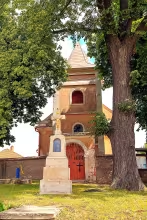
Kostel svatého Jakuba Staršího in Vlkaneč is a Roman Catholic church with a medieval core, modified during the Renaissance and Baroque periods. Situated at the northern end of the village square in Vlkaneč, Středočeský kraj, it stands surrounded by a cemetery. This historical monument is notable for its architectural evolution over centuries and is protected as a cultural heritage site along with its enclosing wall and two gates.
The church's origins date back to around 1300 when Bohemia was part of the Holy Roman Empire. It was first mentioned as a parish church in 1352, 1361, and again in 1384. The medieval core has been largely preserved within its perimeter walls. In the late 16th century, specifically between 1590-1592, the church underwent significant Renaissance expansion with the addition of a presbytery and likely vaulting of the nave. This period was marked by cultural flourishing across Europe, influencing architectural styles seen in the church's expansions.
Further changes occurred during the Baroque era, reflecting broader European trends towards elaborate artistic expressions under Habsburg rule. Between 1706-1710, significant modifications included adding a tower to the western façade and a sacristy to the north side of the presbytery. In 1741, the church was whitewashed, enhancing its aesthetic appeal.
The interior saw updates between 1907-1914 with marble from Oberlamu in Salzburg replacing much of the original 18th-century furnishings. This included a new altar, baptismal font, and a representation of the Holy Sepulchre. One of the original bells, cast in 1592, remains in the church, bearing an inscription that translates to "This bell was cast for the honor and glory of God in the year of our Lord 1592." The main altar features a painting by academic painter Adolf Russ from Hradec Králové, depicting St. James with Vlkaneč Church in the background.
Today, Kostel svatého Jakuba Staršího stands as a testament to architectural and cultural transformations over centuries. It is accessible to visitors who wish to explore its rich history and artistic heritage. The church's blend of medieval, Renaissance, and Baroque elements makes it a compelling site for those interested in historical architecture and religious art. Its preservation as a cultural monument ensures that future generations can appreciate this unique piece of Czech heritage.
Historical milestones
- 1352
- The church is mentioned as a parish church.
- 1361
- The church is again mentioned as a parish church.
- 1384
- Further mention of the church as a parish church.
- 1590-1592
- Renaissance expansion with addition of presbytery and possible vaulting of nave.
- 1706-1710
- Baroque modifications including tower addition and sacristy construction.
- 1741
- The church was whitewashed.
- 1907-1914
Architectural development
The church's original medieval structure from around 1300 has been preserved within its perimeter walls. It underwent Renaissance expansion in the late 16th century, including a new presbytery and possible vaulting of the nave. In the early 18th century, significant Baroque modifications were made, such as adding a tower and sacristy. The church's interior was updated with marble from Oberlamu in Salzburg between 1907-1914.
Historical events
The church was mentioned as a parish church in 1352, 1361, and 1384. Its medieval core dates back to around 1300.
In 1590-1592, the church underwent Renaissance expansion with the addition of a presbytery and likely vaulting of the nave.
Between 1706-1710, a tower was added to the western façade and a sacristy to the north side of the presbytery. The church was whitewashed in 1741.
Points of interest
- The church features an intriguing blend of architectural styles due to its evolution from the medieval period through Renaissance and Baroque modifications, reflecting broader European cultural trends over several centuries.
- One of the original bells, cast in 1592, still resides within the church, bearing a unique inscription that translates to "This bell was cast for the honor and glory of God in the year of our Lord 1592," highlighting its historical significance.
Guide
Show guide text
Welcome to the historic site of Kostel svatého Jakuba Staršího in Vlkaneč. As you stand here at this serene location, take a moment to absorb your surroundings: the church sits elegantly at the northern end of the village square, encircled by a quiet cemetery. Its presence is both solemn and inviting, offering an immediate connection to centuries past.
Let's delve into its origins. The church was first mentioned as a parish church in 1352, indicating its longstanding role within the community. Over time, it continued to serve this purpose, with mentions again in 1361 and 1384. These early references mark the beginning of its journey through history, reflecting its importance as a spiritual center for generations.
Architecturally, St. James the Elder Church is a tapestry woven from various periods. Its medieval core has been beautifully enhanced by Renaissance and Baroque modifications. As you look around, notice how these styles blend seamlessly. The church's structure tells a story of adaptation and change—perhaps most notably during its Renaissance expansion between 1590 and 1592 when the presbytery was added, and possibly vaulting occurred within the nave. Later, from 1706 to 1710, Baroque influences were introduced with the addition of a tower and sacristy construction. In 1741, it received a fresh coat of white paint, further adding to its layered history.
While specific architects remain unknown, the church's evolution mirrors broader European cultural trends over several centuries. The blend of architectural styles is not only visually striking but also historically significant, showcasing how local traditions were influenced by wider movements in art and architecture.
One intriguing detail that stands out is one of the original bells, cast in 1592, which still resides within this historic structure. This bell serves as a tangible link to the past, resonating with stories from centuries ago.
As you continue your exploration, let the church's rich history and architectural beauty captivate you. Each stone holds a story, each corner reveals a chapter of time. We invite you to wander further, perhaps around its enclosing wall or through its gates, immersing yourself in this remarkable piece of heritage.
Thank you for joining us on this journey through time at Kostel svatého Jakuba Staršího. May your visit inspire reflection and curiosity as you uncover the layers of history embedded within these walls. Safe travels as you continue to explore the wonders Vlkaneč has to offer.
Businesses nearby
Do you run a restaurant, accommodation, shop, museum, rental, wellness or other visitor service near this monument? Show yourself directly to the people heading to it — this is how they will see you in the app and on the web:
Accommodation nearby
Trips and activities nearby
Guided tours, tickets and activities nearby from GetYourGuide
Search tours and activities →Themed route
Thematic Walking Tour: Vlkaneč and the Church of Saint James the Elder
1. Church of Saint James the Elder (Vlkaneč) *Type: Historical Church* Begin your journey at this stunning example of Gothic architecture, dating back to the 14th century. The church is renowned for its intricate stone carvings and historical significance as a spiritual center in Vlkaneč. Its serene atmosphere offers a perfect starting point to immerse yourself in the local heritage.
2. Vlkaneč Cemetery *Type: Historical Site* Located just a short walk from the church, this cemetery is notable for its beautifully maintained grounds and historical gravestones that date back several centuries. It provides insight into the community's past, with many tombstones belonging to prominent local figures.
3. Vlkaneč Village Square *Type: Community Space* After exploring the cemetery, stroll towards the village square. This charming area serves as a focal point for Vlkaneč, featuring traditional architecture and offering a glimpse into daily life in this quaint community. It's an ideal spot to relax and reflect on your journey.
4. Local Artisan Workshops *Type: Cultural Experience* Nearby the village square, you'll find workshops where local artisans create traditional crafts. These spaces offer a unique opportunity to see regional craftsmanship firsthand and perhaps even purchase some handmade souvenirs that capture the essence of Vlkaneč.
5. Vlkaneč Nature Trail *Type: Walking Path* Conclude your tour with a leisurely walk along the nature trail surrounding Vlkaneč. This path provides a peaceful setting to enjoy the natural beauty and tranquility of the area, offering picturesque views that complement the historical sites you've explored.
This thematic walking tour offers a comprehensive experience of Vlkaneč, blending history, culture, and nature in this charming part of Středočeský kraj.
Seasonal recommendations
Spring: As the snow melts and nature awakens, Vlkaneč offers a picturesque setting with blooming flowers and lush greenery surrounding the Church of Saint James the Elder. The soft spring light enhances the intricate details of the church's architecture, creating an ethereal atmosphere perfect for photography enthusiasts. Visitors should anticipate moderate crowds as locals and tourists alike enjoy the mild weather. It's advisable to dress in layers to accommodate fluctuating temperatures throughout the day.
Summer: During summer, Vlkaneč is vibrant with life under the warm sun. The church stands out against a backdrop of vibrant greenery, and its open doors invite visitors to explore its historical charm during daylight hours. This is peak tourist season, so arriving early in the morning can help avoid larger crowds. Comfortable walking shoes and light clothing are recommended, along with sunscreen and a hat for protection from the sun.
Autumn: The autumn months transform Vlkaneč into a tapestry of warm hues, as the foliage around the Church of Saint James the Elder turns golden and red. This season offers a serene atmosphere, ideal for those seeking tranquility amidst nature's beauty. While visitor numbers may decrease compared to summer, it’s still wise to check opening hours in advance, as they can be shorter during this time. Layered clothing is essential to stay comfortable during cooler days.
Winter: Winter cloaks Vlkaneč in a serene blanket of snow, creating a magical and quiet setting around the Church of Saint James the Elder. The church's architecture takes on a mystical quality under the soft winter light, and the surrounding landscape offers breathtaking views. However, visitor numbers tend to be lower, providing a more intimate experience. It’s crucial to wear warm clothing, including gloves and a hat, and to verify opening hours as they may be limited during this season.
Visualizations and artistic views

Vizualizace jsou generovány umělou inteligencí a slouží jako inspirace.


Tips from visitors
No tips yet. Be the first!
Log in and add your tip.


Reviews and comments