





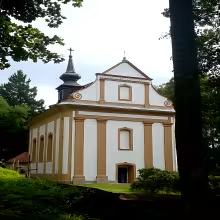
Kostel Panny Marie Bolestné is a significant cultural monument located atop Dobrá Voda in Horní Planá. It is renowned for its late Baroque architecture and historical significance as a pilgrimage site. Constructed between 1777 and 1779, the church replaced an earlier wooden chapel from 1760. Its architectural elegance and rich history make it a noteworthy destination for visitors interested in cultural heritage.
The origins of Kostel Panny Marie Bolestné date back to the late 18th century when Bohemia was part of the Habsburg Monarchy. During this period, Baroque art and architecture flourished across Europe, influencing many significant buildings' construction. The church was built on a site historically known as "mons Vitkonis," reflecting its longstanding spiritual importance. It replaced an earlier wooden chapel from 1760, marking a transition to more durable and elaborate structures.
Architecturally, Kostel Panny Marie Bolestné is distinguished by its late Baroque style, characterized by intricate sculptural and carving work led by Leopold Hueber of České Budějovice. The church's design reflects the artistic trends of its time, emphasizing grandeur and detailed ornamentation. In 1993, the organ within the church was declared a cultural monument after modifications made in the late 19th century by Austrian organ builder Josef Breinbauer from Ottensheim. Between 1993 and 1997, the church underwent significant renovation to preserve its historical integrity.
Throughout its history, Kostel Panny Marie Bolestné has been associated with various events and curiosities that enhance its cultural narrative. Notably, Adalbert Stifter, a native of Horní Planá, documented local legends tied to this pilgrimage site in his story "Popsaná jedlička." These stories contribute to the church's mystique and draw visitors interested in both its spiritual and literary significance.
Today, Kostel Panny Marie Bolestné stands as a well-preserved monument accessible to those exploring Horní Planá. Its picturesque location atop Dobrá Voda offers not only architectural beauty but also a serene environment for reflection and pilgrimage. The church's historical and cultural value makes it an essential visit for anyone interested in the rich tapestry of Bohemian heritage.
Kostel Panny Marie Bolestné is more than just a building; it is a testament to the artistic and spiritual endeavors of its time. Its preservation allows contemporary visitors to connect with history, offering insights into the cultural landscape of 18th-century Bohemia. Visitors are invited to explore this remarkable site, where architecture and legend converge to create an enduring legacy.
Historical milestones
- 1760
- An earlier wooden chapel existed on this site.
- 1777–1779
- Construction of the current Baroque style church began.
- 1787–1801
- A cemetery was established around the church.
- 1993
- The organ was declared a cultural monument.
- 1993–1997
- Renovation of the church took place.
Architectural development
Kostel Panny Marie Bolestné was built in a late Baroque style between 1777 and 1779. The church replaced an earlier wooden chapel, with sculptural and carving work led by Leopold Hueber. In the years 1993 to 1997, the church underwent renovation.
Historical events
The church was constructed between 1777 and 1779, replacing an earlier wooden chapel from 1760.
In the late 19th century, the organ was modified by Austrian organ builder Josef Breinbauer from Ottensheim.
Points of interest
- The church's location on "mons Vitkonis" ties it to a site of ancient spiritual significance, hinting at centuries-old religious traditions predating its construction.
- Adalbert Stifter, a notable figure from Horní Planá, immortalized local legends associated with the church in his story "Popsaná jedlička," blending literary art with historical narrative.
- The organ within Kostel Panny Marie Bolestné was modified by Austrian organ builder Josef Breinbauer and later declared a cultural monument, highlighting its unique musical heritage.
Guide
Show guide text
Welcome to the historic site of Kostel Panny Marie Bolestné in Horní Planá, a place where centuries of devotion and artistry converge. As you stand here on the peak of Dobrá Voda, take a moment to soak in the serene atmosphere surrounding this significant cultural monument. The church's presence is both commanding and inviting, its late Baroque architecture speaking volumes about the era it was built in.
The story of this sacred site begins with an earlier wooden chapel constructed in 1760, which served as a spiritual beacon for the local community. However, between 1777 and 1779, a more enduring structure was erected to replace it. This new church, designed by the talented Leopold Hueber, embraced the late Baroque style, known for its dramatic expressions and intricate details. As you look around, notice how the sculptural work and carvings enhance the building's grandeur—testaments to Hueber’s craftsmanship.
The church not only stands as a testament to architectural beauty but also holds deep historical significance. From 1787 to 1801, a cemetery was established nearby, further embedding this site into the local community's spiritual life. In recognition of its cultural importance, the organ within the church was declared a monument in 1993. This period also marked a time of restoration and care for the building between 1993 and 1997, ensuring that it continues to inspire future generations.
Kostel Panny Marie Bolestné is intertwined with local legends and history, most notably through Adalbert Stifter. The renowned writer immortalized stories linked to this church in his work "Popsan," weaving a rich tapestry of narrative that adds depth to your visit here.
One intriguing aspect of this site is its location on what was once known as "mons Vitkonis." This ancient name hints at the spiritual significance of the place, suggesting centuries-old religious traditions predating even the wooden chapel. Such connections invite you to ponder the layers of history and belief that have shaped this sacred ground.
As we conclude our journey here today, I encourage you to explore further around this remarkable site. Whether it's tracing your steps back through time or simply enjoying the tranquil surroundings, there is much to discover at Kostel Panny Marie Bolestné. Thank you for joining me on this exploration of history and heritage.
Tips for visitors
The best time to visit Kostel Panny Marie Bolestné is during the late spring or early autumn months, from May to September. During these times, the weather is generally pleasant, making it ideal for exploring both the church and its surrounding natural landscapes. Additionally, visiting in this period allows you to experience local festivals and events that often coincide with religious celebrations at the pilgrimage site.
Parking near Kostel Panny Marie Bolestné can be limited due to its location atop Dobrá Voda. Visitors are advised to use nearby parking facilities and then proceed on foot or by shuttle services if available. Public transportation options, such as buses, may also serve the area, but it's recommended to check current routes and schedules in advance for convenience.
When visiting Kostel Panny Marie Bolestné, consider bringing comfortable walking shoes as you will likely be exploring hilly terrain. Additionally, weather-appropriate clothing is advisable given the changing conditions at higher elevations. Don't forget a camera or smartphone to capture the stunning views and architectural details of the church.
For photography enthusiasts, some of the best spots include the vantage points around Dobrá Voda that offer panoramic views of the surrounding landscape with the church as a focal point. Early morning light provides soft illumination ideal for capturing the serene atmosphere of the site, while late afternoon light can add dramatic shadows and highlights to your photos.
Nearby attractions within 30 minutes include natural trails in the area offering scenic walks through picturesque landscapes. These trails are perfect for nature lovers looking to explore the local flora and fauna. Additionally, visitors might enjoy exploring other historical sites or local markets in Horní Planá, which provide a glimpse into regional culture and history.
Businesses nearby
Do you run a restaurant, accommodation, shop, museum, rental, wellness or other visitor service near this monument? Show yourself directly to the people heading to it — this is how they will see you in the app and on the web:
Nearby
Kostel Panny Marie Bolestné is located near Horní Planá in a picturesque setting atop Dobrá Voda. The area features natural landscapes and serves as a pilgrimage destination.
Accommodation nearby
Trips and activities nearby
Guided tours, tickets and activities nearby from GetYourGuide
Search tours and activities →Themed route
Thematic Walking Tour: Horní Planá and the Church of Our Lady of Sorrows
1. Church of Our Lady of Sorrows (Horní Planá) *Type:* Religious Site *Why Visit:* Begin your journey at this stunning church, perched atop Dobrá Voda, offering panoramic views of the surrounding natural landscapes. Known as a pilgrimage destination, its serene atmosphere and architectural beauty make it an ideal starting point for exploring the spiritual heritage of Horní Planá.
2. Dobrá Voda Hill *Type:* Natural Landscape *Why Visit:* After visiting the church, take a leisurely walk around Dobrá Voda Hill. This picturesque setting enhances your appreciation of the area's natural beauty and provides a tranquil environment for reflection or photography. The hill offers various paths that lead to breathtaking views of the surrounding countryside.
3. Pilgrimage Paths *Type:* Walking Route *Why Visit:* Explore the network of pilgrimage paths that connect with the Church of Our Lady of Sorrows. These trails are not only a testament to the area's spiritual significance but also offer an opportunity for a peaceful walk through scenic landscapes, allowing visitors to immerse themselves in the natural and historical ambiance of Horní Planá.
This thematic tour encapsulates the essence of Horní Planá by focusing on its religious heritage and natural beauty, providing a meaningful experience for both pilgrims and nature enthusiasts.
Seasonal recommendations
Spring: Visiting the Church of Our Lady of Sorrows during spring offers a unique experience as the surrounding landscape bursts into life with vibrant wildflowers and fresh greenery, creating a picturesque backdrop for the historic site. The gentle warmth of the season enhances the natural beauty around Horní Planá, making it an ideal time to explore both the church's architecture and its serene environment. Visitors should consider wearing comfortable layers due to fluctuating temperatures and arrive early in the morning to avoid larger crowds that gather as the day warms up.
Summer: The summer months bring a lively atmosphere to the Church of Our Lady of Sorrows, with longer daylight hours allowing for extended exploration of this historic site. The lush greenery and blooming flora provide a stunning setting, while the warm weather encourages outdoor activities in the surrounding areas. To make the most of your visit during this peak season, it's advisable to arrive early in the morning or later in the afternoon to avoid crowds, and dress in light, breathable clothing suitable for the heat.
Autumn: Autumn transforms the Church of Our Lady of Sorrows with a palette of warm colors as leaves change from green to shades of red, orange, and yellow. The cooler temperatures make it a pleasant time to wander through Horní Planá's historic streets and enjoy the church's architecture without the summer crowds. Visitors should dress in layers to accommodate the variable weather and consider bringing a light jacket for the crisp evenings.
Winter: Winter at the Church of Our Lady of Sorrows offers a magical experience, with snow-covered landscapes creating a serene and picturesque setting. The shorter days mean that visiting hours are limited, so planning your visit during daylight is essential. Wearing warm clothing, including hats and gloves, is crucial to stay comfortable in the cold weather. Despite potential closures due to inclement weather, the church can provide a peaceful retreat from the winter chill.
Visualizations and artistic views

Vizualizace jsou generovány umělou inteligencí a slouží jako inspirace.


Tips from visitors
No tips yet. Be the first!
Log in and add your tip.
Reviews and comments