





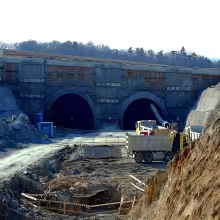
The Komořanský Tunnel is a modern road tunnel located in Prague, forming part of the southern segment of the D0 highway, also known as Pražského okruhu. It stretches from Vestec to Lahovice and includes two main tunnels: a three-lane southern ascending tunnel and a two-lane northern descending tunnel. Construction began in December 2006, with full-scale work starting early 2007, and the tunnel officially opened on September 20, 2010. It plays a crucial role in connecting various parts of Prague by facilitating smoother traffic flow across significant geographical elevations.
The Komořanský Tunnel's origin is rooted in modern engineering advancements aimed at addressing urban development needs in early 21st-century Prague. The construction reflects the city's focus on improving infrastructure to support growing traffic demands and enhance economic activities within the Czech Republic. Formerly known as Tunel Cholupice or Cholupický tunel, it was built using advanced techniques such as the New Austrian Tunneling Method (NRTM) to manage challenging terrain. The project included two main tunnels with different lane configurations and lengths, designed to accommodate significant traffic volumes efficiently.
Architecturally, the Komořanský Tunnel is a testament to contemporary engineering practices. Its construction involved sophisticated methods like NRTM to navigate difficult terrain effectively. The southern tunnel ascends over 1,937 meters with three lanes, while the northern tunnel descends for 1,972 meters with two lanes. This design ensures efficient traffic management across varying elevations of the region.
Ownership and administration of the Komořanský Tunnel have been under Prague's city authorities. In October 2010, the Radová hlavního města Prahy officially renamed it from Tunel Cholupice to Komořanský tunel, although the original name remains in use for traffic signage.
Key events associated with the Komořanský Tunnel include its exploratory drilling phase that began in December 2006 and its official opening on September 20, 2010. These milestones mark significant achievements in Prague's infrastructure development efforts during this period.
Today, the Komořanský Tunnel remains a vital component of Prague's transportation network. It is situated near important landmarks such as Radotínský most and connects to planned intersections with dálnice D3, enhancing its strategic importance for regional connectivity. The tunnel's role in facilitating smoother traffic flow across significant geographical elevations makes it an essential asset for the city.
The Komořanský Tunnel is not just a feat of modern engineering but also a crucial link in Prague's urban landscape. Its construction reflects the city's commitment to addressing contemporary infrastructure challenges and supporting economic growth. Visitors interested in modern architecture and urban development will find this tunnel a noteworthy site, offering insights into the complexities of building such an essential piece of infrastructure.
Historical milestones
- 2006
- Exploratory drilling phase began in December.
- 2007
- Full-scale construction work started early in the year.
- 2010
- Komořanský Tunnel officially opened on September 20.
- 2010
- Renamed from Tunel Cholupice to Komořanský tunel in October.
Architectural development
Construction of the Komořanský tunel involved advanced techniques such as New Austrian Tunneling Method (NRTM) to manage its challenging terrain. The project included two main tunnels with different lane configurations and lengths, designed to accommodate significant traffic volumes efficiently.
Historical events
In December 2006, exploratory drilling for the Komořanský tunel began.
The tunnel was officially opened on September 20, 2010.
Points of interest
- The Komořanský Tunnel was originally known as Tunel Cholupice or Cholupický tunel before its official renaming in October 2010. Despite the new name, traffic signage still uses the original name.
- Construction of the tunnel utilized the New Austrian Tunneling Method (NRTM), a sophisticated engineering technique designed to handle challenging terrains effectively, showcasing modern advancements in infrastructure development.
Guide
Show guide text
Welcome to the Komořanský Tunnel, a modern marvel nestled in the heart of Prague, forming an integral part of the southern segment of the D0 highway. As you stand here at this historic site, imagine the bustling cityscape that surrounds this engineering feat—a testament to progress and innovation.
Let's delve into its origins and historical context. The journey of Komořanský Tunnel began in December 2006 with exploratory drilling, marking the start of a significant infrastructure project aimed at improving connectivity within Prague. By early 2010, construction was complete, and on September 20th of that year, the tunnel officially opened its doors to traffic, symbolizing a new era for commuters traveling between Vestec and Lahovice.
Architecturally, this tunnel is an impressive structure with two main passages: a southern ascending tunnel comprising three lanes and a northern descending tunnel featuring two lanes. The design reflects modern engineering principles, utilizing the New Austrian Tunneling Method (NATM), which showcases advanced techniques in construction and safety.
As you look around, notice how seamlessly it integrates into its surroundings despite being a product of contemporary technology. This tunnel is not just a conduit for vehicles but also a symbol of Prague's ongoing development and commitment to modern infrastructure solutions.
While there are no specific historical figures or architects credited with this project, the tunnel itself stands as a silent witness to the city’s evolution over recent decades. It represents the collective effort of countless engineers, workers, and planners who contributed their expertise to bring this vision to life.
Now, here's an interesting tidbit: originally known as Tunel Cholupice or Cholupický tunel, it was officially renamed Komořanský Tunnel in October 2010. Yet, despite the official change, you might still notice traffic signs using its original name—a charming reminder of its past.
As we conclude our brief exploration, I invite you to continue your journey through Prague's vibrant streets and discover more hidden gems that this city has to offer. Thank you for joining me today at Komořanský Tunnel, where history meets modernity in a seamless blend of engineering excellence. Safe travels on your next adventure!
Tips for visitors
The best time to visit the Komořanský Tunnel is during late spring or early autumn when the weather is pleasant, making it ideal for exploring both the tunnel itself and its surrounding natural beauty. These seasons offer comfortable temperatures and clear skies, enhancing your experience as you explore nearby landmarks like Radotínský most and enjoy the scenic views of the Vltava River valley.
Parking near Komořanský Tunnel is generally accessible, with options available along the D0 highway. Public transport can also be used to reach the area; however, it's advisable to check current routes and schedules using a transportation app or website for the most efficient journey. This ensures you have ample time to explore without worrying about parking logistics.
When visiting Komořanský Tunnel, consider bringing comfortable walking shoes as there are several scenic spots around that are best explored on foot. A camera is also recommended to capture the unique architecture of the tunnel and the picturesque landscapes of the Vltava River valley. Don't forget water and snacks, especially if you plan to spend a few hours exploring the area.
For photography enthusiasts, early morning or late afternoon provides the best natural lighting for capturing stunning images of Komořanský Tunnel and its surroundings. The soft light during these times accentuates the textures of the tunnel and highlights the beauty of nearby landmarks like Radotínský most. Exploring the area around sunrise or sunset can also offer unique photo opportunities with dramatic skies.
Within a 30-minute drive from Komořanský Tunnel, visitors can explore Radotínský most, an iconic bridge that adds historical charm to your visit. The natural beauty of the Vltava River valley is also worth exploring for those interested in nature and outdoor activities. These sites complement your visit by offering a mix of cultural history and scenic landscapes.
For families with children, Komořanský Tunnel offers an educational experience about modern engineering marvels. While there are no specific child-friendly attractions within the tunnel itself, the surrounding area provides ample opportunities for family walks and picnics in nature. The proximity to Radotínský most also allows for a pleasant stroll where families can enjoy the outdoors together.
Businesses nearby
Do you run a restaurant, accommodation, shop, museum, rental, wellness or other visitor service near this monument? Show yourself directly to the people heading to it — this is how they will see you in the app and on the web:
Nearby
The Komořanský tunel is situated near significant landmarks such as Radotínský most and connects to the planned intersection with dálnice D3. The surrounding area includes natural features like the Vltava River valley, enhancing its strategic importance for regional connectivity.
Accommodation nearby
Trips and activities nearby
Guided tours, tickets and activities nearby from GetYourGuide
Search tours and activities →Themed route
Komořanský Tunnel Thematic Tour
1. **Komořanský Tunnel (Tunnel) Start your journey at the Komořanský Tunnel, a significant engineering feat that enhances regional connectivity by linking to Radotínský most and facilitating access to dálnice D3. This tunnel is an essential part of Prague's infrastructure, offering insights into modern transportation solutions.
2. **Radotínský Most (Bridge) Continue your exploration to the nearby Radotínský most, a vital bridge that spans across the Vltava River valley. This landmark not only complements the tunnel's strategic importance but also provides stunning views of the surrounding natural landscape, making it an ideal spot for photography and reflection on regional development.
3. **Vltava River Valley (Natural Feature) Conclude your tour by immersing yourself in the scenic beauty of the Vltava River valley. This area highlights the harmonious blend of nature and infrastructure, offering a serene environment to appreciate the natural setting that surrounds these man-made marvels. The valley's picturesque views serve as a perfect backdrop for understanding the balance between development and conservation.
This thematic tour offers a comprehensive look at how engineering projects like the Komořanský Tunnel integrate with natural landscapes to enhance connectivity and regional growth.
Seasonal recommendations
Spring: Visiting Komořanský Tunnel during spring offers a unique experience as the surrounding nature begins to awaken from its winter slumber. The tunnel is illuminated by soft, natural light filtering through budding trees and blooming wildflowers along the nearby paths, creating a serene atmosphere perfect for photography enthusiasts. During this season, it's advisable to wear layers due to fluctuating temperatures; mornings can be cool while afternoons warm up considerably. Early spring tends to have fewer visitors compared to summer, making it an ideal time for those seeking a more tranquil exploration of the historical site.
Summer: Summer at Komořanský Tunnel is characterized by vibrant greenery and longer daylight hours, providing ample natural light inside the tunnel itself. The lush landscape around the area becomes particularly inviting for picnics and leisurely walks. However, this season also brings larger crowds, especially on weekends and holidays, so arriving early in the morning can help avoid the busiest times. Comfortable walking shoes and breathable clothing are recommended due to warmer temperatures and potential humidity.
Autumn: Autumn transforms Komořanský Tunnel into a picturesque setting with its rich tapestry of fall colors. The tunnel's interior contrasts beautifully against the fiery reds, oranges, and yellows of the surrounding foliage, offering an atmospheric view that is particularly striking in the late afternoon when the light casts warm hues. As temperatures begin to drop, wearing layers will ensure comfort during your visit. This season usually sees moderate visitor numbers, making it a pleasant time for those looking to enjoy the site's natural beauty without the summer crowds.
Winter: Winter at Komořanský Tunnel presents a stark yet captivating landscape, with snow-covered paths and bare trees creating an almost mystical atmosphere. The tunnel itself is dimly lit during this season due to shorter daylight hours, adding to its historical allure. Visitors should dress warmly in layers, including hats, gloves, and insulated footwear, as temperatures can be quite low. The site may experience reduced visitor numbers, offering a peaceful environment for those who appreciate the quiet beauty of winter. It's also wise to check opening times, as they might vary during this season due to weather conditions.
Visualizations and artistic views


Vizualizace jsou generovány umělou inteligencí a slouží jako inspirace.


Tips from visitors
No tips yet. Be the first!
Log in and add your tip.


Reviews and comments