





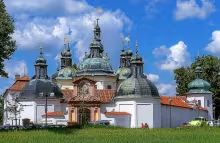
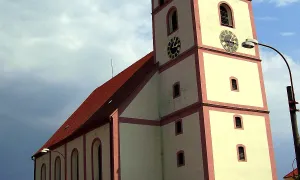
The Klokoty Monastery, located near Tábor in the village of Klokoty, is a significant cultural monument renowned for its Baroque architecture. Established as a pilgrimage site with a small church in the 14th century, it was destroyed by Jan Žižka in 1421. The current structure began construction under possibly Ján Blažej Santini-Aichel and was completed in 1743. It features a central Baroque church dedicated to the Assumption of the Virgin Mary, surrounded by various chapels and a crypt.
The origins of Klokoty Monastery trace back to the 13th century when a fortress stood on its site. By the 14th century, a small pilgrimage church was established here, with the first mention dating to 1361. However, in 1421, Jan Žižka destroyed this church and executed approximately fifty members of the local community. The monastery's architectural journey began in earnest in 1679 when it was acquired by Spanish Benedictines from Emauzy for 4,000 groats. Under possibly Ján Blažej Santini-Aichel’s guidance, construction commenced on a Baroque pilgrimage complex. However, due to its distance from Emauz, the Benedictines sold Klokoty back to Tábor in 1743, where it was completed with local donors' help.
The architectural development of the monastery began in the late 17th century and is characterized by its Baroque style. The central feature is the church of Nanebevzetí Panny Marie (Assumption of the Virgin Mary), constructed in 1708. Beneath this church lies a crypt, along with chapels dedicated to Saint Wenceslas and Saint Joseph. The complex includes decorative arcades and eight-sided chapels such as those of Saint Vojtěch, Saint Lawrence, Saint Anne, and a Rosary chapel, all adorned with Baroque-style domes. Additionally, there is a chapel dedicated to John of Nepomuk featuring stuccoed ceilings. These spaces house seven paintings depicting scenes from the life of the Virgin Mary, dating back to 1700.
Ownership and administration of Klokoty Monastery have seen several transitions over the centuries. Initially belonging to the local community in the 14th century, it was destroyed by Jan Žižka in 1421. The Spanish Benedictines from Emauzy acquired it in 1679 but sold it back to Tábor in 1743 after beginning its construction. From 1934 until 1985, the monastery served as an expositur of the Těšitelé order, with P. Alois Jakub Matulík serving as a notable figure during this period. Since 1994, Oblátští misionáři have been in charge.
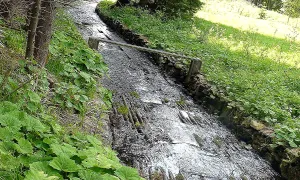
Several key events and curiosities are associated with Klokoty Monastery. The site is linked to a Marian apparition that occurred approximately 700 meters away, where a chapel and spring commemorate the event. A green tourist trail leads visitors from the monastery to this location. Additionally, P. Alois Jakub Matulík, who served at the monastery for several periods between 1934 and 1981, is buried here.
Today, Klokoty Monastery stands as a national cultural monument, declared as such on July 1, 2018. The complex includes not only the church but also a one-story residence and a Baroque chapel with a water spring, accessible via a crossway. Its elevated position offers views over the Lužnice River, adding to its serene atmosphere. Visitors can explore the cemetery and follow the green tourist trail leading to the nearby Marian apparition site.
Klokoty Monastery is not only an architectural marvel but also a testament to the rich historical tapestry of the region. Its Baroque elegance, combined with its storied past, makes it a compelling destination for those interested in history, architecture, and spirituality. Visitors are invited to explore this remarkable site and immerse themselves in its cultural heritage.
Historical milestones
- 1361
- First mention of a small pilgrimage church.
- 1421
- Destruction by Jan Žižka and execution of local community.
- 1679
- Acquisition by Spanish Benedictines from Emauzy.
- 2018
- Declared a national cultural monument.
Architectural development
The Klokoty Monastery's architectural development began in the late 17th century with plans attributed to Ján Blažej Santini-Aichel. The Baroque style is evident in its church, chapels, and decorative arcades. After initial construction by the Spanish Benedictines, the project was completed by the city of Tábor in 1743. The complex includes a crypt under the church and a baroque chapel with a water spring.
Historical events
1361: First mention of a small pilgrimage church.
1421: Destruction by Jan Žižka and execution of local community.
1679: Acquisition by Spanish Benedictines from Emauzy.
2018: Declared a national cultural monument.
Owners
14th century: Local community
1421: Destroyed by Jan Žižka
1679-1743: Spanish Benedictines from Emauzy
Post-1743: City of Tábor
1934-1985: Těšitelé order
1994-present: Oblátští misionáři
Points of interest
- The Klokoty Monastery is linked to a Marian apparition that occurred approximately 700 meters away from the site, with a dedicated chapel and spring commemorating this event. This adds a layer of spiritual significance beyond its architectural beauty.
- Interestingly, Jan Žižka, known for his role in the Hussite Wars, destroyed the original church at Klokoty Monastery in 1421 and executed around fifty local inhabitants, marking a violent chapter in its history before it was rebuilt as a Baroque pilgrimage site.
Guide
Show guide text
Welcome to the historic Klokoty Monastery, nestled in the picturesque village of Klokoty near Tábor. As you stand here, take a moment to absorb the serene beauty that surrounds this significant cultural monument. The air is filled with whispers of history and echoes of devotion, inviting you into its storied past.
The origins of this place date back to the 14th century when it began as a humble pilgrimage site featuring a small church. It was during these early days that Klokoty started attracting those seeking spiritual solace. However, in 1421, the monastery faced destruction at the hands of Jan Žižka, an iconic figure known for his military prowess and role in the Hussite Wars. This event marked not only a physical loss but also a significant moment in the region's turbulent history.
Fast forward to the late 17th century, specifically 1679, when Spanish Benedictines from Emauzy acquired the site, setting the stage for its transformation into the architectural marvel you see today. The current structure of Klokoty Monastery began under the guidance of possibly Ján Blažej Santini-Aichel and was completed in 1743. As you look around, take note of the Baroque elements that define this period's grandeur—notice the intricate details on the façade and how they play with light and shadow, creating a dance of elegance across the monastery’s exterior.
Key figures associated with Klokoty include Jan Žižka, whose actions in 1421 left an indelible mark on its history. Another significant personality is Didacus à Canvero, who played a role during the Spanish Benedictine period. Their stories are woven into the fabric of this place, adding layers of intrigue and depth to your visit.
An intriguing aspect of Klokoty Monastery is its connection to a Marian apparition, said to have occurred around 700 meters from here. This spiritual event has been commemorated with a dedicated chapel and spring, inviting visitors to reflect on the mystical experiences that transcend time and architecture.
As you continue exploring, I invite you to immerse yourself in the atmosphere of Klokoty Monastery. Feel free to wander its grounds, letting your senses guide you through its rich history and architectural beauty. Whether it's the quiet rustle of leaves or the distant murmur of a spring, each element here tells a story waiting to be discovered.
Thank you for joining us on this journey through time at Klokoty Monastery. May your visit inspire curiosity and wonder as you uncover more about its fascinating past. Safe travels as you continue exploring this remarkable site!
Tips for visitors
The best time to visit the Klokoty Monastery is during late spring or early autumn, when the weather is mild and pleasant for exploring the outdoor areas surrounding the monastery. During these seasons, you can enjoy the lush greenery and vibrant flowers without the summer crowds or winter chill. Additionally, visiting on a weekday might offer a more tranquil experience compared to weekends.
Parking at Klokoty Monastery is generally available in the vicinity of the site, but it's advisable to arrive early as spaces may be limited due to its popularity among visitors and locals alike. For those preferring public transport, there are bus services that connect Tábor with nearby areas, including Klokoty. It’s recommended to check the latest schedules online or at local transportation hubs in Tábor for the most convenient options.
When planning your visit, it's wise to bring comfortable walking shoes as exploring the monastery and its surroundings involves some walking on uneven paths. Don't forget a hat and sunscreen if you're visiting during sunny days, along with water to stay hydrated. A camera or smartphone is essential to capture the stunning Baroque architecture of the monastery and the serene views overlooking the Lužnice River.
For photography enthusiasts, early morning or late afternoon offers the best natural lighting for capturing the beauty of Klokoty Monastery. The elevated position provides a unique vantage point over the river, making it an ideal spot for landscape shots. Inside the monastery, the play of light through stained glass windows creates captivating scenes worth photographing.
Nearby attractions within 30 minutes include the picturesque village of Tábor, known for its rich history and cultural heritage. Visitors can explore local museums or enjoy a leisurely walk along the Lužnice River. The area also features several hiking trails that offer beautiful views of the surrounding countryside, perfect for nature lovers.
Families with children will find Klokoty Monastery an enriching experience. The monastery's peaceful atmosphere and historical significance provide a great learning opportunity about Baroque architecture and local history. Nearby, the chapel with its water spring can be a delightful spot for younger visitors to explore. Don't forget to bring along some snacks or plan for a picnic in the area’s scenic spots.
Businesses nearby
Do you run a restaurant, accommodation, shop, museum, rental, wellness or other visitor service near this monument? Show yourself directly to the people heading to it — this is how they will see you in the app and on the web:
Nearby
The monastery is situated on elevated ground overlooking the Lužnice River, near Tábor. The area features a cemetery and a crossway leading to a chapel with a water spring.
Accommodation nearby
Themed route
Thematic Walking Tour: The Monastery of Klokoty and Its Surroundings
1. Klášter Klokoty (Monastery) - *Type:* Historical Religious Site - *Why Visit:* Nestled on elevated ground overlooking the Lužnice River, Klášter Klokoty offers a serene atmosphere perfect for reflection and appreciation of its architectural beauty. The monastery's history is rich with stories from the Hussite Wars, making it an intriguing visit for those interested in Czech religious and cultural heritage.
2. Klášterní Hřbitov (Monastery Cemetery) - *Type:* Historical Cemetery - *Why Visit:* Located near the monastery, this cemetery provides a tranquil space to explore the resting places of historical figures associated with Klášter Klokoty. It offers an intimate glimpse into the past and serves as a poignant reminder of the area's deep-rooted history.
3. Křížový Místo (Crossway) - *Type:* Historical Crossway - *Why Visit:* This crossway, leading from the monastery grounds to a nearby chapel, is steeped in local tradition and spirituality. It offers visitors an opportunity to experience the peaceful journey through nature while reflecting on historical pilgrimages that have taken place here over centuries.
4. Kaple s Vodní Zřímkou (Chapel with Water Spring) - *Type:* Chapel - *Why Visit:* Known for its picturesque setting and the natural water spring nearby, this chapel is a perfect spot to pause and enjoy the serene environment. The presence of the spring adds a unique charm, inviting visitors to appreciate both spiritual and natural beauty.
This tour provides an enriching experience by combining historical exploration with the tranquil beauty of nature surrounding Klášter Klokoty.
Seasonal recommendations
Spring: The arrival of spring at Klášter Klokoty brings a rejuvenating atmosphere as the surrounding landscape begins to bloom with vibrant wildflowers and fresh greenery, offering picturesque views that enhance the historical beauty of the monastery. This is an ideal time for photography enthusiasts or anyone looking to enjoy nature's renewal. With milder temperatures, visitors can comfortably explore without heavy layers, though it's wise to carry a light jacket as evenings can still be cool. As spring progresses into early summer, weekends might see increased visitor numbers, so consider visiting on weekdays for a more tranquil experience.
Summer: During the summer months, Klášter Klokoty is bathed in warm sunlight that accentuates its architectural details and lush gardens, making it a perfect destination for those seeking to escape the heat. The monastery's open spaces provide ample shade, ideal for leisurely walks or picnics amidst historical splendor. However, this season also attracts larger crowds, especially during peak holiday periods, so arriving early in the day can help avoid long lines and ensure a more peaceful visit. Comfortable walking shoes and sun protection are recommended to fully enjoy your time exploring.
Autumn: Autumn at Klášter Klokoty is characterized by a stunning display of fall foliage, with vibrant reds, oranges, and yellows transforming the landscape into a breathtaking backdrop for the monastery's historic architecture. The cooler temperatures make it an excellent time for extended exploration without the discomfort of summer heat. While visitor numbers generally decrease compared to summer, weekends can still be busy, so planning your visit on weekdays might offer a more serene experience. Layered clothing is advisable as temperatures can vary significantly throughout the day.
Winter: The winter months envelop Klášter Klokoty in a serene and mystical atmosphere, with snow often blanketing the grounds to create a magical setting that contrasts beautifully against the monastery's stone structures. While some areas may be less accessible due to weather conditions, the quietness of this season offers an intimate experience for those who venture out. It's important to dress warmly, as temperatures can be quite cold, and check ahead for any seasonal closures or limited access. Early visits are recommended to maximize daylight hours and ensure a safe, enjoyable exploration of the site.
Visualizations and artistic views

Vizualizace jsou generovány umělou inteligencí a slouží jako inspirace.


Tips from visitors
No tips yet. Be the first!
Log in and add your tip.


Reviews and comments