





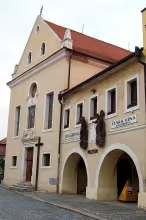
The Kapucínský Klášter v Mělníku, featuring the Church of the Fourteen Holy Helpers, is a heritage-protected site located in Mělník, within the Středočeský kraj region. This Baroque monastery complex stands out for its unique adaptation to existing urban structures, making it an exceptional example among Czech monastic sites. Established through generous donations from Teresie Čebišová and other benefactors in the mid-18th century, the site includes a church, former monastery buildings, and a staircase with surrounding lands.
The origins of the Kapucínský Klášter v Mělníku trace back to 1710 when Capuchin missionary Jan Antonín z Luccy began his mission in Mělník. This marked the start of a permanent Capuchin presence, later solidified through donations from Teresie Čebišová and other benefactors. Her donation of her home near the town hall enabled the Capuchins to establish their base, eventually leading to the construction of both a small monastery and church. The ceremonial introduction of the Capuchins into Mělník on September 10, 1750, marked a significant milestone in this development.
Architecturally, the transformation of the Čebišovský house into a hospice was completed by 1752, with minimal structural changes to preserve its medieval core and original vaults. The complex's architecture is notable for integrating Baroque elements within an existing urban fabric. This adaptation resulted in a unique layout where buildings were incorporated into the city’s existing structures rather than being newly constructed. The main building features a gabled roof covered with shingles, while the rear extends to former town walls. Notably, the façade of the hospice includes 18th-century stone sculptures depicting the Holy Trinity.
Throughout its history, the Capuchin monastery played an active role in both spiritual and secular affairs. Initially, meals for guests at the hospice were prepared in private homes as a mark of respect to Mělník’s citizens. The extensive cellars beneath the hospice served as storerooms for renowned feasts, highlighting its social significance. Despite challenges such as water supply issues, which were resolved by connecting to the city's water system in 1777, the monastery continued to function and was not dissolved during the Josephine reforms due to its involvement in lay spiritual care.
Today, the Kapucínský Klášter v Mělníku has been transformed into a museum. The former hospice building, complete with extensive cellars, now houses the Regional Museum of Mělník. This transformation was completed by 1999 after reconstruction efforts that began in 1990. Visitors can explore this site to appreciate its historical and architectural significance, gaining insight into both the Baroque period and the unique urban integration of monastic life.
The Kapucínský Klášter v Mělníku stands as a testament to the rich cultural and religious history of the region. Its unique adaptation within an existing cityscape offers a fascinating glimpse into the past, making it a worthwhile visit for anyone interested in Baroque architecture or Czech history.
Historical milestones
- 1750
- The Capuchins were ceremonially introduced to Mělník.
- 1777
- The building was connected to the city's water supply system.
Architectural development
The transformation of the so-called Čebišovský house into a hospice was completed by 1752. The building retained its medieval core with minimal structural changes, preserving original vaults. The complex's architecture is notable for integrating Baroque elements within an existing urban fabric.
Historical events
In 1710, Kapucínský misionář Jan Antonín z Luccy began his mission in Mělník, marking the start of permanent Capuchin presence.
On September 10, 1750, the Capuchins were ceremonially introduced to the city, leading to the completion of a small monastery and church construction.
Points of interest
- The Kapucínský Klášter v Mělníku is unique among Czech monastic sites for its adaptation to existing urban structures rather than being newly constructed, showcasing a blend of Baroque architecture with medieval elements.
- Teresie Čebišová's donation was pivotal in establishing the Capuchin presence in Mělník; her home near the town hall became the foundation for both the monastery and church, highlighting the significant role individual benefactors played in religious developments during the 18th century.
Guide
Show guide text
Welcome to the Kapucínský klášter v Mělníku, a remarkable testament to history and architecture nestled in the heart of Mělník. As you stand here, imagine yourself stepping back into an era where faith and artistry intertwined seamlessly. Before you lies a heritage-protected site that whispers tales from centuries past through its Baroque elegance.
The origins of this unique complex trace back to 1750 when the Capuchins were ceremonially introduced to Mělník. This significant moment was made possible largely due to the generous donations from Teresie Čebišová and other benefactors, who envisioned a spiritual haven in the heart of the city. Their vision materialized into an architectural blend that harmoniously integrates with existing urban structures—a rarity among Czech monastic sites.
As you look around, take note of the Church of the Fourteen Holy Helpers, which stands as a central piece within this ensemble. The church and former monastery buildings exhibit Baroque influences, gracefully adapted to fit the medieval fabric of Mělník. Notice how the complex's design respects its surroundings while still asserting its presence with architectural finesse.
Moving through the site, you'll encounter the staircase leading up towards the surrounding lands—a feature that connects not just spaces but also times. In 1777, this historic building was connected to the city's water supply system, marking an era of modernization and integration into urban life.
Among the notable figures associated with this place is Jan Antonín z Luccy, whose contributions have left a lasting impact on the site’s legacy. His involvement adds depth to the narrative, illustrating how individual efforts can shape communal history.
Now, consider this: The Kapucínský Klášter v Mělníku stands out not just for its architectural beauty but also for its unique adaptation to pre-existing urban elements—a testament to innovative design and respect for historical context. This blend of Baroque architecture with medieval structures invites you to ponder the ingenuity involved in preserving history while embracing change.
As we conclude this brief journey, I invite you to explore further, allowing yourself to be immersed in the atmosphere that has been carefully preserved over centuries. Let your curiosity guide you through every corner and crevice of this historical gem. Thank you for joining me today; may your visit here inspire a deeper appreciation for the rich tapestry of history woven into Mělník’s landscape.
Tips for visitors
The best time to visit the Kapucínský klášter v Mělníku is during late spring or early autumn when the weather is pleasant, and the surrounding nature is particularly beautiful. These seasons offer comfortable temperatures for exploring both indoors and outdoors, allowing you to fully appreciate the architectural details of the Church of the Fourteen Holy Helpers without the crowds that can be present in peak tourist months.
Parking near the Kapucínský klášter v Mělníku is generally accessible, with several nearby options. Public transport is also available and convenient for reaching the site; you can use regional trains or buses to get close to Mělník. For those driving, it's advisable to check local parking facilities in advance. Regardless of your mode of transportation, planning ahead will ensure a smooth start to your visit.
When visiting the Kapucínský klášter v Mělníku, consider bringing comfortable walking shoes as you'll likely explore both the interior and exterior areas. A camera is recommended for capturing the stunning architecture and serene surroundings. Additionally, carrying a light jacket or umbrella can be helpful due to variable weather conditions in the region.
Photography enthusiasts will find several spots within the Kapucínský klášter v Mělníku ideal for capturing its beauty. The Church of the Fourteen Holy Helpers offers excellent lighting during midday, while early morning or late afternoon light can create dramatic effects on the exterior facades. Exploring different angles and perspectives will help you capture unique images.
For families with children visiting the Kapucínský klášter v Mělníku, consider planning a day trip that includes nearby attractions within 30 minutes of travel. The surrounding area offers opportunities for outdoor activities such as walking or cycling along scenic routes. These excursions can provide a well-rounded experience, combining cultural exploration with family-friendly entertainment.
Businesses nearby
Do you run a restaurant, accommodation, shop, museum, rental, wellness or other visitor service near this monument? Show yourself directly to the people heading to it — this is how they will see you in the app and on the web:
Accommodation nearby
Trips and activities nearby
Guided tours, tickets and activities nearby from GetYourGuide
Search tours and activities →Themed route
Tematická výletní trasa: Kapucínský klášter v Mělníku
1. Kapucínský klášter (klášter) Začněte svou návštěvu u samotného kapucínského kláštera, který je jedním z nejstarších a nejlépe zachovaných klášterních komplexů v České republice. Klášter byl postaven na začátku 17. století jako díkůvzdání za vyhnání turecké hrozby z Prahy a je známý svou architekturou i historickými událostmi, které se v něm odehrály.
2. Kapucínský kostel V rámci klášterního komplexu si nezapomeňte prozkoumat kapucínský kostel s jeho bohatou historií a architekturou. Kostel je známý svými freskami, sochami a významnými hroby, které přitahují návštěvníky z celého světa. Je to místo klidu a útulku, kde můžete si užít krásy barokní architektury.
3. Klášterní park Prozkoumejte i klášterní park, který je součástí komplexu. Park nabízí příležitost pro relaxaci a procházku v přírodním prostředí, které dodává klidnou atmosféru celému areálu. Je to ideální místo pro pohled na zelené nádvoří a užití si krásy venkovního prostoru.
4. Klášterní věž Pokud je možné, navštivte klášterní věž, která nabízí jedinečný pohled na Mělník a okolní krajinu. Věž je nejen architektonickou památkou, ale také místem s historickým významem pro klášter. Zde si můžete užít panoramatického pohledu a získat nový pohled na celý komplex.
Tato trasa vám umožní hluboce se ponořit do historie a architektury kapucínského kláštera v Mělníku, což je jedna z nejvýznamnějších památek regionu.
Seasonal recommendations
Spring: Visiting the Capuchin Monastery in Mělník during spring is a delight as nature awakens, painting the landscape with vibrant colors. The monastery gardens come alive with blooming flowers and budding trees, creating a picturesque backdrop that enhances the historical ambiance of the site. To fully appreciate this transformation, it's best to visit on a weekday morning when crowds are fewer, allowing for a peaceful exploration. Light layers are recommended as temperatures can vary; however, carrying a light jacket is advisable in case of sudden chills.
Summer: In summer, the Capuchin Monastery offers an idyllic setting with lush greenery and warm sunlight casting a serene glow over its historic architecture. The longer daylight hours provide ample time to explore both indoor exhibits and outdoor gardens. However, this season also sees increased visitor numbers, especially during peak tourist months, so arriving early in the day can help avoid crowds. Comfortable walking shoes and light clothing are essential, along with sun protection such as hats or sunglasses.
Autumn: Autumn brings a magical atmosphere to the Capuchin Monastery, with golden leaves and cooler temperatures enhancing its historic charm. The changing foliage creates a stunning visual contrast against the monastery's stone structures, making it an ideal time for photography enthusiasts. As days shorten, planning your visit later in the morning ensures you have enough daylight to explore all areas. Layered clothing is recommended to adjust to fluctuating temperatures throughout the day.
Winter: Winter transforms the Capuchin Monastery into a serene and introspective destination, with snow often blanketing its surroundings, adding a quiet beauty to the historic site. The shorter days mean that visits should be planned earlier in the day to make the most of limited daylight hours. The monastery may have reduced opening times during this season, so checking ahead is advisable. Warm clothing, including coats and hats, along with sturdy footwear for potentially icy paths, are essential for a comfortable visit.
Visualizations and artistic views

Vizualizace jsou generovány umělou inteligencí a slouží jako inspirace.

Tips from visitors
No tips yet. Be the first!
Log in and add your tip.
Location on the map
Příběhy a pověsti
Legendy, pověsti a příběhy spjaté s touto památkou
Reviews and comments