






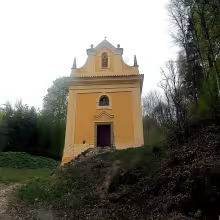
The Chapel of Saint Wenceslas in Kounov is a Baroque chapel located about 1.5 km northeast of the village, nestled on Na Rovinách hillside within the Rakovník cadastral area. Constructed around 1706, this historical monument reflects local religious devotion and cultural heritage. Its significance stems from its association with Saint Wenceslas, who, according to legend, prayed for rain at this site in 992. Since its construction, it has been a focal point of annual pilgrimages, highlighting its enduring spiritual importance.
The chapel's origins are linked to local lore and religious history. Built between the 17th and 18th centuries, it likely replaced an earlier structure on the same site. Historical sources suggest that a chapel was first established here in 999 after Saint Wenceslas prayed for rain during a drought. This legend underscores its longstanding spiritual significance. Over time, the chapel became a center for annual pilgrimages until they were banned by the communist regime in 1948. The tradition resumed in 2006, reaffirming its cultural and religious importance.
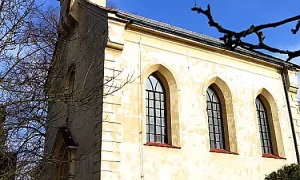
Architecturally, the Chapel of Saint Wenceslas is an oblong structure with a semicircular apse on the north side, constructed primarily from quarry stone and brick. Its design reflects Baroque influences typical of its era. It features original wooden doors with diagonal planks and half-round windows that illuminate its interior. The roof is gabled and covered with shingles, characteristic of its construction period. Despite being reported in poor condition in 1829, repairs were made in 1831 to preserve it. Over time, modifications included the removal of a bell tower from the roof.
Throughout its history, the chapel has faced various changes and challenges. In addition to the cessation of annual pilgrimages in 1948, the nearby hermitage, documented before 1841, was demolished after World War II. Despite these changes, the chapel's cultural significance remained intact, leading to its designation as a cultural monument on January 26, 1973, by the Regional Centre for Heritage and Nature Conservation.
Today, the Chapel of Saint Wenceslas stands as a preserved historical site, having undergone restoration in 2010. Visitors can appreciate its architectural details and serene setting atop Na Rovinách hillside. Its enduring legacy is evident in its continued role as a pilgrimage destination, inviting those interested in history and spirituality to explore its rich heritage.
The Chapel of Saint Wenceslas offers more than historical insight; it provides a glimpse into the spiritual life of past generations. Its preservation allows visitors to connect with cultural narratives that have shaped this region. Whether drawn by architectural beauty or storied past, a visit promises an enriching experience steeped in history and tradition.
Historical milestones
- 1706
- The chapel was constructed around this year.
- 1829
- Reported as being in poor condition.
- 1831
- Underwent repairs.
- 1948
- Pilgrimages were banned by the communist regime.
- 2006
- The tradition of pilgrimages was revived.
Architectural development
Constructed at the end of the 17th century, the chapel underwent repairs in 1831 after being reported in poor condition in 1829. Originally featuring a bell tower on its roof and later losing it, the structure has seen various modifications over time. The chapel's architecture includes half-round windows and original wooden doors with diagonal planks.
Historical events
The chapel was built around 1706, as indicated by an inscription inside.
Annual pilgrimages were held until they were banned in 1948 under the communist regime.
Pilgrimage traditions resumed in 2006.
Points of interest
- Despite its association with Saint Wenceslas, the chapel was originally linked to a legend involving prayer for rain in 992, not 999 as commonly believed, highlighting an earlier historical connection.
- The chapel's annual pilgrimages were halted by the communist regime in 1948 but remarkably resumed exactly 58 years later, marking a symbolic restoration of cultural and religious traditions.
Guide
Show guide text
Welcome to the Chapel of Saint Wenceslas in Kounov, a stunning baroque rotunda nestled on the hillside of Na Rovinách. As you stand here, imagine yourself transported back to the turn of the 17th and 18th centuries when this remarkable structure was built. The chapel's simple yet elegant form invites you to explore its history and significance.
The Chapel of Saint Wenceslas has a fascinating origin story linked to local legend. It is said that in 992, Saint Václav, also known as Saint Wenceslas, prayed for rain on this very site during a severe drought. This act of devotion left an indelible mark on the community, inspiring the construction of the chapel around 1706. Its purpose was not only to honor Saint Václav but also to serve as a beacon of faith and hope for the local people.
As you take in its architecture, notice the chapel's oblong shape with a semicircular apse on the north side, constructed from quarry stone—a testament to both craftsmanship and devotion. The structure stands as a silent witness to centuries of history, weathering changes and challenges over time.
This chapel has been home to numerous stories and significant historical figures, most notably Saint Václav himself. His legacy is deeply intertwined with this place, symbolizing the enduring power of faith and community spirit. While many details about its architects remain unknown, it's clear that their work was inspired by a deep reverence for tradition and history.
An intriguing aspect of the chapel’s story involves a common misconception: while it is often associated with Saint Wenceslas praying in 999, the legend actually dates back to 992. This highlights an earlier connection between the site and its spiritual significance, adding depth to its historical narrative.
The chapel has witnessed both celebration and challenge throughout its history. In 1829, reports indicated that it was in poor condition, leading to repairs in 1831. However, its journey took a dramatic turn in 1948 when pilgrimages were banned by the communist regime—a period of silence for this once-bustling site. Remarkably, in 2006, the tradition of pilgrimages was revived, breathing new life into the chapel and reaffirming its role as a place of spiritual gathering.
As you conclude your visit to the Chapel of Saint Wenceslas, take a moment to reflect on its rich history and enduring legacy. We invite you to continue exploring this remarkable site, absorbing the stories and atmosphere that make it truly special. Thank you for joining us today—may your journey through Kounov leave you inspired and enriched.
Tips for visitors
The best time to visit the Chapel of Saint Wenceslas in Kounov is during late spring or early autumn, when the weather is mild and the surrounding landscape is lush with greenery. These seasons provide pleasant temperatures for walking around the hillside area, allowing visitors to fully enjoy the scenic views without extreme heat or cold. Additionally, visiting outside of peak tourist season can offer a more tranquil experience, as there are fewer crowds.
Parking and transportation options for reaching the chapel include both private vehicles and public transport. There is parking available nearby, though it's advisable to check ahead if specific arrangements need to be made due to local events or restrictions. Public transport can also be used; visitors should verify current bus routes and schedules using a travel planner or app to ensure they reach Kounov conveniently.
When planning your visit, consider bringing comfortable walking shoes as the chapel is situated on a hillside with natural terrain that may involve some uneven paths. A hat, sunscreen, and water are also recommended, especially if visiting during warmer months. For those interested in exploring the area further, a camera or smartphone for capturing photos of the stunning landscape would be beneficial.
For photography enthusiasts, the best spots to capture the chapel include viewpoints from higher elevations on the Na Rovinách hillside, where you can frame the rotunda against expansive views. Early morning or late afternoon light is ideal for photographing the chapel as it casts a warm glow and creates long shadows that enhance the structure's baroque details.
Nearby attractions within a 30-minute drive include other historical sites and natural features in the region. Exploring these can enrich your visit, providing context to Kounov’s cultural heritage and offering additional scenic spots for leisurely walks or photo opportunities.
Businesses nearby
Do you run a restaurant, accommodation, shop, museum, rental, wellness or other visitor service near this monument? Show yourself directly to the people heading to it — this is how they will see you in the app and on the web:
Nearby
The chapel is situated on a hillside within the Na Rovinách highland, offering scenic views of the surrounding landscape. The area includes natural features and other historical sites within a five-kilometer radius.
Accommodation nearby
Themed route
Thematic Walking Tour: The Charm of Kounov Highlands
1. **Chapel of Saint Vojtěch in Kounov (Historical Site) Begin your journey at the heart of this tour, the Chapel of Saint Vojtěch. Perched on a hillside within the Na Rovinách highland, it offers breathtaking views and a serene atmosphere. This chapel is not only an architectural gem but also a spiritual haven that has stood witness to centuries of history.
2. **Na Rovinách Highland (Natural Feature) After exploring the chapel, take a leisurely walk around the Na Rovinách highland area. The rolling hills and lush greenery provide an ideal setting for nature lovers and photographers alike. This natural backdrop enhances the historical significance of the chapel, offering panoramic views that highlight the beauty of Kounov's landscape.
3. **Historical Pathways (Cultural Route) Continue your exploration by following the historical pathways around the highland. These trails are steeped in local lore and offer insights into the region’s past. Walking these paths, you can imagine the lives of those who traversed them centuries ago, connecting with the area's rich cultural tapestry.
4. **Scenic Lookouts (Viewpoint) Conclude your tour at one of the scenic lookouts within the highland. These spots are perfect for taking in the expansive views and reflecting on the journey you've just experienced. The combination of natural beauty, historical depth, and tranquil surroundings makes this a memorable end to your visit.
This thematic walking tour provides an immersive experience into Kounov's heritage and natural allure, ensuring a fulfilling exploration of its most captivating sites.
Seasonal recommendations
Spring: Visiting the Chapel of Saint Václav in Kounov during spring offers a serene experience as nature awakens around this historic site. The surrounding landscape is adorned with budding flowers and vibrant greenery, creating a picturesque setting that enhances the chapel's tranquil atmosphere. As daylight extends into the evening, visitors can enjoy softer natural lighting, which beautifully highlights the chapel’s architecture. It's advisable to visit in the late morning or early afternoon when temperatures are mild, avoiding any lingering spring showers. Light layers are recommended due to fluctuating weather conditions.
Summer: Summer is an ideal time for exploring the Chapel of Saint Václav in Kounov, with its lush surroundings providing a perfect backdrop for leisurely strolls. The long daylight hours allow ample time to appreciate the chapel's details and enjoy outdoor activities nearby. However, this is also when visitor numbers peak, so arriving early in the morning can help avoid crowds. Comfortable walking shoes and light clothing are recommended due to warmer temperatures, while carrying a water bottle is essential for staying hydrated throughout your visit.
Autumn: Autumn brings a stunning display of colors to the Chapel of Saint Václav in Kounov, with golden leaves creating a warm and inviting atmosphere. The cooler weather makes it an ideal time for longer visits without the discomfort of summer heat. As daylight begins to shorten, capturing photographs during the golden hour—just after sunrise or before sunset—can yield breathtaking images of the chapel against its autumnal backdrop. Layered clothing is advisable as temperatures can vary significantly throughout the day.
Winter: The winter season offers a unique and enchanting experience at the Chapel of Saint Václav in Kounov, with snow-covered landscapes providing a magical setting. The shorter days mean that visits should be planned for daylight hours to fully appreciate the chapel's features, as lighting can be limited during early morning or late afternoon. Due to colder temperatures, visitors should dress warmly and consider bringing gloves and hats. It’s also important to check opening times in advance, as they may vary during this season.
Visualizations and artistic views


Vizualizace jsou generovány umělou inteligencí a slouží jako inspirace.

Tips from visitors
No tips yet. Be the first!
Log in and add your tip.


Reviews and comments