





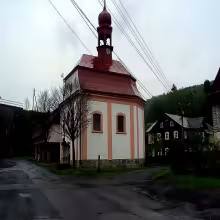
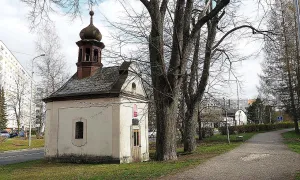
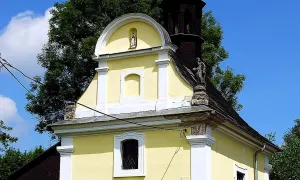
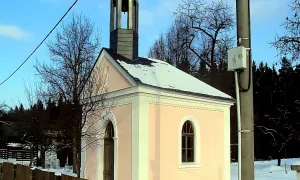
The Chapel of the Holy Trinity in Svor is a notable cultural monument near Nový Bor in the Česká Lípa District. Initially constructed as a wooden chapel in 1745, it was rebuilt into a brick structure with late Baroque elements like a small tower and mansard roof by 1788. This transformation highlights its historical significance and architectural evolution, making it an important site protected under Czech cultural heritage laws.
The original construction dates back to 1745 as a wooden chapel. By 1788, significant changes occurred; the chapel was reconstructed into a brick building with late Baroque style elements. This period in Europe, especially in Bohemia, saw Enlightenment influences that shifted architectural styles and societal norms. The transition from wood to brick reflects these broader cultural changes.
Architecturally, the 1788 reconstruction introduced late Baroque features that distinguish it today. Bricks replaced the original wood, enhancing durability and allowing for elaborate designs like the small tower and mansard roof. These elements are characteristic of the late Baroque style, known for intricate detailing and grandeur, even in smaller structures.
The chapel is currently managed by the Římskokatolická farnost (Roman Catholic Parish) in Cvikov. It remains active for religious services, with masses typically held twice a month. Despite its small size and local significance, it often appears as a church in tourist guides, highlighting its community importance.
Today, the Chapel of the Holy Trinity stands as a testament to historical architectural practices and enduring cultural traditions. It is accessible to visitors interested in exploring its history and appreciating its unique design elements. Its preservation underscores its value not only as a place of worship but also as an important piece of local heritage.
Visiting the chapel offers insight into architectural evolution from the mid-18th to late 18th century, set against the Bohemian countryside backdrop. Its historical significance and serene setting make it a worthwhile destination for those interested in cultural history and architecture.
Historical milestones
- 1745
- Původní stavba dřevěné kaple.
- 1788
- Rekonstrukce do kamenného stavu s barokními prvky.
Architectural development
Initially built as a wooden chapel in 1745, the Chapel of the Holy Trinity underwent significant transformation in 1788 when it was reconstructed using bricks. The new design incorporated late Baroque architectural features such as a small tower and a mansard roof, marking a shift from its original structure.
Historical events
The original wooden chapel was constructed in 1745.
In 1788, it was rebuilt into a brick structure with late Baroque elements.
Points of interest
- The chapel's transformation from wood to brick between 1745 and 1788 reflects the broader Enlightenment influences in Bohemia, which encouraged practicality and durability in architecture. - Despite its small size, the Chapel of the Holy Trinity is often listed as a church in tourist guides, highlighting its unexpected prominence within local cultural narratives.
Guide
Show guide text
Welcome to the Chapel of the Holy Trinity in Svor, a significant cultural monument nestled near Nový Bor in the Česká Lípa District. As you stand before this charming structure, take a moment to appreciate its quaint presence amidst the lush landscape. The chapel's small tower and distinctive mansard roof are visible even from a distance, inviting you to explore further.
Originally constructed as a wooden chapel in 1745, this site has witnessed centuries of history. Its transformation into a brick structure in 1788 reflects the broader Enlightenment influences in Bohemia, where practicality and durability became architectural priorities. This change not only enhanced its resilience but also marked an evolution in local building practices.
As you approach, notice the late Baroque style that characterizes this chapel's architecture. The small tower and mansard roof are defining features, offering a glimpse into the artistic sensibilities of the era. Although specific architects remain unknown, their work has left a lasting impression on this cultural heritage site.
While no particular historical figures are directly associated with the Chapel of the Holy Trinity, its very existence speaks volumes about the community's dedication to preserving their spiritual and architectural legacy. This chapel stands as a testament to the resilience and adaptability of those who built it and maintained it through generations.
An intriguing aspect of this chapel is its frequent listing in tourist guides as a church, despite its modest size. This highlights the cultural significance it holds beyond mere physical dimensions, serving as a beacon for both locals and visitors alike.
As you continue to explore this remarkable site, let your imagination wander through the stories that these walls might tell. Whether it's envisioning the hands that crafted each brick or the prayers whispered within its sanctuary, there is much to discover here.
We invite you to delve deeper into the history and beauty of the Chapel of the Holy Trinity. Take your time to soak in the atmosphere and appreciate this enduring piece of cultural heritage. Thank you for joining us on this journey through time, and we hope it inspires a lasting appreciation for the rich tapestry of history that surrounds us.
Tips for visitors
The best time to visit the Chapel of the Holy Trinity in Svor is during late spring or early autumn. During these seasons, the Bohemian countryside around Nový Bor offers mild weather and vibrant natural scenery, making it ideal for exploring both the chapel and its surroundings. Additionally, visiting outside peak summer months can provide a more tranquil experience with fewer crowds.
Parking near the Chapel of the Holy Trinity is generally available in the surrounding areas, but it's advisable to check local resources or maps beforehand as specific parking facilities might not be directly adjacent to the site. Public transportation options are accessible from Nový Bor, and visitors should verify current routes via a transport search tool for convenience.
When planning your visit, consider bringing comfortable walking shoes, especially if you plan to explore the natural landscapes around Svor. A camera or smartphone is recommended for capturing the chapel's architectural details and surrounding vistas. Given that specific lighting conditions can vary, early morning or late afternoon visits might provide softer light ideal for photography.
For families with children, the Chapel of the Holy Trinity offers a peaceful setting to explore cultural heritage together. The nearby natural landscapes are perfect for outdoor activities such as hiking or picnicking. Ensure you bring essentials like water and snacks, especially if planning extended time outdoors.
Within a 30-minute drive from the chapel is Nový Bor, which provides additional attractions including historical sites and local markets. These nearby locations offer opportunities to further explore the cultural richness of the Česká Lípa District after visiting the chapel.
Businesses nearby
Do you run a restaurant, accommodation, shop, museum, rental, wellness or other visitor service near this monument? Show yourself directly to the people heading to it — this is how they will see you in the app and on the web:
Nearby
Located near Nový Bor in the Česká Lípa District, the Chapel of the Holy Trinity is situated within a region known for its natural beauty and cultural heritage. The surrounding landscape includes typical Bohemian countryside features.
Accommodation nearby
Themed route
Thematic Walking Tour: The Chapel of the Holy Trinity and Surrounding Svor Area
1. Chapel of the Holy Trinity (Svor) *Type:* Historical Religious Site Begin your journey at the heart of this tour, the Chapel of the Holy Trinity, a serene place steeped in history and spiritual significance. This chapel is renowned for its architectural beauty and offers visitors an opportunity to reflect amidst its peaceful surroundings.
2. Bohemian Countryside Landscape *Type:* Natural Scenery After exploring the chapel, take a leisurely walk through the picturesque Bohemian countryside that envelops Svor. The area boasts lush greenery typical of this region, providing a perfect backdrop for nature enthusiasts and photographers alike.
3. Local Cultural Heritage Sites in Svor *Type:* Cultural Landmarks Delve into the rich cultural tapestry of Svor by visiting nearby historical landmarks that reflect the local heritage. These sites offer insights into the traditions and history of the region, making them an essential part of your exploration.
4. Community Gathering Spots in Svor *Type:* Social Hubs Experience the vibrant community life in Svor by stopping at popular gathering spots where locals meet and socialize. These areas provide a glimpse into the daily lives and customs of the residents, enhancing your understanding of local culture.
5. Walking Trails around Svor *Type:* Walking Paths Conclude your tour with a stroll along the scenic walking trails that meander through the area. These paths offer tranquility and a chance to appreciate the natural beauty of the landscape, making for a perfect end to your thematic exploration of Svor.
This itinerary offers a comprehensive look at both the historical and cultural aspects of Svor, ensuring an enriching experience for all visitors.
Seasonal recommendations
Spring: The chapel of Nejsvětější Trojice (Svor) awakens with the vibrant colors of spring, as wildflowers carpet the surrounding landscape and fresh greenery envelops the area. This season offers a serene atmosphere perfect for reflection, enhanced by the soft, dappled sunlight filtering through budding trees. Visitors should consider wearing comfortable layers to accommodate the mild yet occasionally unpredictable temperatures. While crowds are generally light during this time, arriving early in the morning can provide a peaceful experience and allow you to enjoy the chapel's beauty without interruption.
Summer: During summer, the chapel is bathed in long daylight hours, making it an ideal time for extended exploration of its historical architecture and tranquil gardens. The lush surroundings create a picturesque setting that complements the warm, inviting atmosphere typical of this season. However, due to the peak tourist season, visitors are advised to arrive early to avoid larger crowds. Comfortable walking shoes and light clothing are recommended to navigate the chapel grounds comfortably in the warmer weather.
Autumn: Autumn transforms the chapel's surroundings into a stunning tapestry of reds, oranges, and yellows as deciduous trees shed their leaves. This season provides a unique opportunity to experience the chapel amidst a breathtaking natural backdrop, with crisp air enhancing the sense of tranquility. The cooler temperatures make it an ideal time for leisurely visits without the summer heat. Visitors should dress in layers to stay warm, especially during early morning or late afternoon outings when temperatures can drop.
Winter: In winter, the chapel offers a quiet and contemplative atmosphere under a blanket of snow, with its architecture standing out starkly against the white landscape. The shorter days mean visiting hours are more limited, but the serene beauty of the chapel in this season is particularly striking. Visitors should dress warmly, bringing gloves and hats to stay comfortable during their visit. Due to potential weather conditions, checking for any updates on accessibility or opening times before your trip is advisable.
Visualizations and artistic views

Vizualizace jsou generovány umělou inteligencí a slouží jako inspirace.


Tips from visitors
No tips yet. Be the first!
Log in and add your tip.
Location on the map



Příběhy a pověsti
Legendy, pověsti a příběhy spjaté s touto památkou
Reviews and comments