





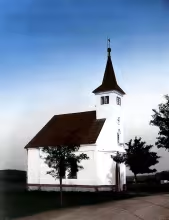
The Chapel of the Visitation of the Virgin Mary in Přední Cínovec was once an important pilgrimage destination near the border and on the road to Fojtovice. Constructed during the Counter-Reformation, it served as a religious hub for local Catholics amid Jesuit efforts to convert Protestant residents. The chapel housed an original late Gothic triptych altar with Marian sculptures from the early 16th century, originally from Fürstenau in Saxony.
The site's origins are linked to religious upheavals following the Thirty Years' War. In 1652, Jesuits pressured locals to convert to Catholicism and established this chapel as part of their strategy. The Protestant community faced challenges; an existing church in nearby Hrob was destroyed in 1617 by order of the Prague archbishop. This tension led eleven families from Přední Cínovec to found Gottgetreu on the German side of the Cínovecký Ridge after refusing conversion.
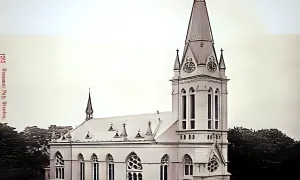
Architecturally, the chapel was built in a pseudogothic style, resembling more a small church than a typical chapel. It had a rectangular layout with a five-sided presbytery, windows on both sides of the nave and presbytery, and a spire-like tower on its facade. The design reflected the religious fervor of the time, attracting Catholic pilgrims four times a year.
Throughout its history, the chapel experienced changes in ownership and administration. Initially built for the Jesuit mission in Bohosudov, it became part of broader Counter-Reformation efforts across Bohemia. After World War II, the expulsion of German-speaking residents led to neglect. Its demolition between 1957 and 1959 marked a significant loss.
Key events include the transfer of the triptych altar from Fürstenau to Přední Cínovec in 1887, underscoring its religious significance. Despite its destruction, the chapel's legacy endures through the altar now housed in the parish church of Assumption of the Virgin Mary in Cínovec.
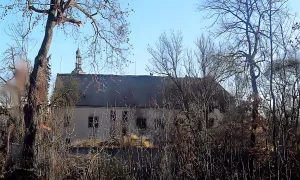
Today, the site is partially forested and near the border close to Fojtovice. Only remnants of walls and a water-filled crypt remain, serving as a testament to the region's complex religious history. Visitors can reflect on its historical significance and the broader narrative of religious transformation in Bohemia. While no longer accessible for traditional pilgrimage, this site offers a poignant reminder of the past and invites exploration into local heritage.
Historical milestones
- 1652
- Jesuits began pressuring local inhabitants to convert to Catholicism.
- 1887
- The triptych altar was transferred from Fürstenau to Přední Cínovec.
Architectural development
Constructed in the pseudogothic style, the chapel was larger than typical chapels, resembling a small church. It featured a rectangular layout with a five-sided presbytery and windows on both sides of the nave and presbytery. The facade included a spire-like tower. After World War II, the expulsion of German-speaking residents led to its neglect and eventual demolition.
Historical events
In 1617, following orders from the Prague archbishop, an existing Protestant church in nearby Hrob was destroyed.
From 1652 onwards, Jesuits exerted pressure on local inhabitants to convert to Catholicism, establishing this pilgrimage site as a means of enforcing conversion.
The chapel and surrounding area were demolished between 1957 and 1959.
Points of interest
– The Chapel of the Visitation of the Virgin Mary was part of a broader Jesuit strategy to convert Protestant locals during the Counter-Reformation, highlighting its role in religious tensions post-Thirty Years' War.
– In 1652, under Jesuit pressure, the chapel was established as a means to reinforce Catholic dominance after the destruction of a nearby Protestant church in Hrob by order of the Prague archbishop in 1617.
Guide
Show guide text
Welcome to the site of the Chapel of the Visitation of the Virgin Mary in Přední Cínovec. You stand at a place where history whispers through the air and echoes of devotion linger. This chapel, once an important pilgrimage destination for local Catholics during the Counter-Reformation, is no longer visible as it was, yet its story remains deeply etched into this landscape.
The Chapel's origins are rooted in the turbulent times following the Thirty Years' War when religious tensions were high across Europe. In 1652, Jesuits began exerting pressure on local inhabitants to convert to Catholicism, and it was during this period that the chapel was established as a focal point for spiritual guidance and conversion efforts. Its strategic location near the border and along the road to Fojtovice made it accessible and significant.
As you stand here now, imagine the late Gothic triptych altar that once adorned the chapel's interior. This remarkable piece of artistry, dating back to the early 16th century, was transferred from Fürstenau to Přední Cínovec in 1887. Although it is no longer present, its legacy continues through stories and records.
The Chapel played a crucial role in the Jesuit strategy during the Counter-Reformation, serving as a beacon of Catholic faith amidst Protestant communities. It symbolized not just religious devotion but also the complex interplay of power and belief that characterized this era.
As you explore further, consider the chapel's broader significance beyond its physical structure. It was part of an effort to reinforce Catholic presence in a region marked by shifting allegiances and beliefs. This site stands as a testament to the enduring human quest for faith and identity.
We invite you to delve deeper into the history surrounding this place, perhaps visiting local archives or engaging with stories passed down through generations. As we conclude our journey here, take a moment to reflect on the layers of history beneath your feet and the narratives that continue to shape this land. Thank you for joining us in exploring the Chapel of the Visitation of the Virgin Mary, where past and present meet.
Businesses nearby
Do you run a restaurant, accommodation, shop, museum, rental, wellness or other visitor service near this monument? Show yourself directly to the people heading to it — this is how they will see you in the app and on the web:
Nearby
The site is now partially forested, located near the border and close to Fojtovice. It was once part of a pilgrimage route that attracted visitors four times a year.
Accommodation nearby
Trips and activities nearby
Guided tours, tickets and activities nearby from GetYourGuide
Search tours and activities →Themed route
Tematická výletní trasa: Kaple Navštívení Panny Marie (Cínovec) a okolí
1. Kaple Navštívení Panny Marie (Cínovec) *Typ:* Historická kaple *Proč stojí za návštěvu:* Tato malebná barokní kaple je známá svou historií jako důležitý bod na starém poutním trase. Její umístění v přírodním prostředí nabízí klidné okamžiky pro meditaci a úvahy, zatímco její architektura odráží bohatou historii regionu.
2. Lesní oblast kolem kaple *Typ:* Přírodní prostor *Proč stojí za návštěvu:* Les, který částečně pokrývá lokalitu, poskytuje příležitost pro krátké procházky nebo relaxaci v klidné a zelené atmosféře. Je to ideální místo pro ty, kteří chtějí si užít pohledy na okolní krajinu a přírodu.
3. Hranice mezi Českou republikou a Německem *Typ:* Historický a geografický bod zájmu *Proč stojí za návštěvu:* Navzdory tomu, že hranice není výrazně označena, je zajímavé prozkoumat oblast blízko této historicky významné linie. Je to připomínka minulých dob a změn v regionální geopolitice.
4. Fojtovice *Typ:* Obec s historickým pozadím *Proč stojí za návštěvu:* Tato blízká obec nabízí další pohled na regionální kulturu a historii. Její poloha poblíž kaple Navštívení Panny Marie činí Fojtovice zajímavým místem pro prohlédnutí, zejména pro ty, kteří se zajímají o historické poutní trasy a jejich vliv na okolní obce.
Tato trasa nabízí kombinaci kulturních a přírodních zážitků, které jsou hluboce zakotveny v historii a geografii regionu.
Seasonal recommendations
Jaro: Kaple Navštívení Panny Marie v Cínovci nabízí návštěvníkům živý a růžový květ, kdy příroda kolem se ožívá. Zralé stromy poskytují útočiště od slunečního svitu, zatímco mírné teploty umožňují pohodlné procházky po okolní krajině. Atmosféra je klidná a klidná, což činí jaro ideálním obdobím pro tichou návštěvu. Praktické rady zahrnují nosit pohodlný oblek s možností přidat vrstvu na chladnější ráno nebo večer, a využít mírných teplot k prozkoumání okolních stezek. Navštívte raně odpoledne, abyste se vyhnuli možnému zvýšení návštěvnosti.
Léto: Létě je Cínovec plný života a tepla, kdy sluneční svit osvětluje pozůstatky kaple a okolní lesy. Toto období přináší dlouhé dny, což umožňuje návštěvníkům plně prozkoumat historický kontext památky během rozsáhlých procházek. Atmosféra je naplněna zvukem ptáků a chladivými větry, které poskytují úlevu od tepla. Praktické rady zahrnují návštěvu brzy ráno nebo pozdě večer, abyste se vyhnuli slunečnímu žáru a davům, stejně jako nosit krémovou ochranu před sluncem, suché oblečení a dostatek vody. Díky své umístění mohou návštěvníci také užít si letní koupání ve střediskách poblíž.
Podzim: Podzim přináší kapli Navštívení Panny Marie v Cínovci do zlatých a rudých odstínů, kdy listy padající ze stromů tvoří tepelnou a měnivou krajinu. Tato sezóna nabízí klidnou atmosféru s mírnými teplotami a krátkými dny, které přinášejí romantické svítání a západ slunce. Praktické rady zahrnují nosit vrstvené oblečení pro se měnící počasí a užívání krémové ochrany proti slunci, protože podzimní sluneční svítání je často intenzivní. Navštívte raně odpoledne, abyste si užili teplou atmosféru a vyhnuli se možným mrazům večer.
Zima: Zimní návštěva kaple Navštívení Panny Marie v Cínovci nabízí klidnou, poklidnou zkušenost s potenciálním pokrytím sněhem a ledem, které poskytuje dramatický kontrast k historickým pozůstatkům. Atmosféra je tichá a klidná, často zdobená ledovými strukturami na stromech a zemi. Praktické rady zahrnují nosit teplé oblečení s více vrstvami pro ochranu proti chladu, stejně jako vhodné obuv pro sněhoběžný povrch. Navštívte raně odpoledne, abyste využili kratší dny a vyhnuli se zavření památky na chladnější večery. Pamatujte si, že některé cesty mohou být uzavřeny kvůli počasí, takže je dobré plánovat podle aktuálních podmínek.
Visualizations and artistic views

Vizualizace jsou generovány umělou inteligencí a slouží jako inspirace.

Tips from visitors
No tips yet. Be the first!
Log in and add your tip.


Reviews and comments