






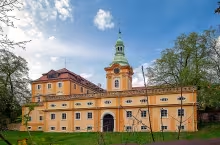
The Jesuit Residence in Liběšice is a historically significant site located in the village of Liběšice within the Litoměřice District of Ústecký kraj, Czech Republic. Originally built as a Renaissance manor in the mid-16th century, it became a Jesuit residence in 1623 and later transformed into a Baroque building by the early 18th century. Recognized as a cultural monument, this site is notable for its rich history and architectural evolution.
Liběšice's origins date back to a medieval fortress documented in 1405, replaced by a Renaissance manor under Karel Dubanský z Duban around 1520. Ownership changed hands several times, including Oldřich Dubanský z Duban until his death in 1571 and later Anna Kostomlatská z Vřesovic after her husband's passing. By 1617, Jiří Sezimové z Ústí owned the property, but it was confiscated following the Battle of White Mountain in 1620 and given to the Jesuits of the Clementinum in Prague.
Architecturally, the original Renaissance manor underwent significant changes. In the early 18th century, a Baroque structure replaced it to meet the needs of the Jesuit order. This building served as both a summer residence and a refuge during wars and epidemics. By the 19th century, further modifications transformed it into a castle.
Ownership and administration of Liběšice experienced dramatic shifts over time. After becoming a Jesuit residence in 1623, it was managed by various Jesuit entities, including the Litoměřice Jesuit Residence from 1675 onwards. The Jesuits expanded their influence by acquiring additional lands, such as parts of Úštěk and Horní Chobolice, and engaged in diverse economic activities like agriculture and leather production.
Key events at Liběšice include the imprisonment of Saxon Elector John Frederick between 1547 and 1552. The Jesuits moved from Úštěk to Liběšice between 1651 and 1656, marking a significant shift in their operations. Notable figures associated with the site include Bohuslav Balbín, who described the view from nearby Sedlo mountain in 1679, and Kryštof Fišer, a prominent Jesuit administrator.
Today, the Jesuit Residence in Liběšice stands as a testament to its historical significance and architectural evolution. It is accessible to visitors interested in exploring its rich past and appreciating its cultural heritage. The site offers insights into the religious and political dynamics of early modern Europe, making it a worthwhile destination for history enthusiasts.
The Jesuit Residence in Liběšice invites visitors to delve into its storied past, offering a unique glimpse into the architectural and historical transformations that have shaped this remarkable monument.
Historical milestones
- 1547
- Saxon Elector John Frederick was imprisoned.
- 1623
- The property became a Jesuit residence.
Architectural development
The original Renaissance manor, built in the mid-16th century, was replaced by a Baroque structure in the early 18th century. This building served as both a summer residence and a refuge during wars and epidemics. In the 19th century, it underwent modifications to become a castle.
Historical events
1547-1552: Saxon Elector John Frederick was imprisoned here.
1623: Became a Jesuit residence.
1651-1656: Jesuits moved from Úštěk to Liběšice.
Owners
16th century: Schenken von Tautenburg
1520: Karel Dubanský z Duban
1571: Oldřich Dubanský z Duban (until his death)
Post-1571: Anna Kostomlatská z Vřesovic
1617: Jiří Sezimové z Ústí
1623: Jesuits of the Clementinum in Prague
1675: Litoměřice Jesuit Residence
Points of interest
- The Jesuit Residence's transformation from a Renaissance manor to a Baroque building reflects the broader cultural shift in Europe during the 17th and 18th centuries towards more ornate architectural styles. - One of the lesser-known aspects of Liběšice is its role as a refuge during wars and epidemics, highlighting how religious sites often served dual purposes beyond spiritual functions.
Guide
Show guide text
Welcome to the Jesuit Residence in Liběšice, a site rich with history and architectural evolution that beckons you into its storied past. As you stand here, imagine yourself transported back through centuries, where each stone whispers tales of transformation and cultural significance.
The origins of this remarkable place trace back to the mid-16th century when it began as a Renaissance manor. Picture Oldřich Dubanský z Duban, who once walked these grounds, surrounded by the elegance and simplicity characteristic of that era. The year 1547 marked a significant event here: Saxon Elector John Frederick found himself imprisoned within its walls, adding to the site's historical tapestry.
By 1623, the manor had evolved into a Jesuit residence, reflecting broader cultural shifts across Europe. As you look around, notice how this transformation is mirrored in the architectural style that emerged over time—a shift from Renaissance simplicity to Baroque opulence and eventually to the grandeur of a castle in the 19th century.
Now, let's delve deeper into its architecture. While specific architects remain unknown, their influence is undeniable. The transition to a Baroque building in the early 18th century introduced ornate details that were emblematic of Europe’s cultural shift towards more elaborate designs. As you wander here today, take in the intricate facades and imagine how these elements would have stood out against the simpler backdrop of its Renaissance origins.
This site has been home to many notable figures throughout history. Jan Bedřich and Anna Kostomlatská z Vřesovic are just two among a host of historical personalities who left their mark here, including Bohuslav Balbín and Kryštof Fišer. Their stories are interwoven with the fabric of this place, each adding layers to its rich narrative.
One fascinating aspect you might not know is Liběšice's role as a refuge during times of conflict. This lesser-known history adds another dimension to your understanding of the site’s significance beyond its architectural transformations.
As we conclude our journey here, I invite you to continue exploring this captivating location at your own pace. Let your curiosity guide you through every corner and imagine the lives that have intersected with this remarkable place over the centuries. Thank you for joining me on this exploration of the Jesuit Residence in Liběšice. May it leave a lasting impression as you carry its stories forward.
Tips for visitors
The best time to visit the Jesuit Residence in Liběšice is during late spring or early autumn, when the weather is mild and pleasant for exploring both the historical site and its surrounding landscapes. These seasons offer beautiful natural lighting that enhances the architectural details of the Baroque building, making it an ideal period for photography enthusiasts.
Parking at the Jesuit Residence in Liběšice can be limited due to its rural location; however, there are designated parking areas nearby. Public transport options include buses and trains that connect to larger towns within the Ústecký kraj region. It's advisable to check current transportation schedules online for the most efficient route.
When visiting, it’s recommended to bring comfortable walking shoes as you’ll likely explore both the site and its picturesque surroundings, including Sedlo mountain. Additionally, carrying a camera or smartphone is beneficial for capturing the stunning views and architectural details of the Baroque structure. Don’t forget water and sunscreen if you plan on spending time outdoors.
For photography enthusiasts, the Jesuit Residence offers several captivating spots. The best light for photographs is typically during the golden hours—shortly after sunrise or before sunset—when the sunlight softly illuminates the building’s facade. Exploring the surrounding landscapes can also provide unique backdrops and perspectives of the residence.
Nearby attractions within a 30-minute drive include remnants of a medieval fortress discovered in the 19th century, offering insight into the region's rich history. The area around Liběšice is known for its picturesque landscapes, making it perfect for nature walks or picnics with family.
Businesses nearby
Do you run a restaurant, accommodation, shop, museum, rental, wellness or other visitor service near this monument? Show yourself directly to the people heading to it — this is how they will see you in the app and on the web:
Nearby
Liběšice is surrounded by picturesque landscapes, including the Sedlo mountain. The area features historical sites such as remnants of a medieval fortress discovered in the 19th century.
Accommodation nearby
Trips and activities nearby
Guided tours, tickets and activities nearby from GetYourGuide
Search tours and activities →Themed route
Jezuitská rezidence v Liběšicích Thematic Tour
1. Jezuitská rezidence v Liběšicích (zámek) - *Typ:* Historický zámek - *Proč stojí za návštěvu:* Tato rezidence je architektonickou perli, která představuje bohaté dědictví řádu jezuitů. Její historie sahá do 17. století a nabízí návštěvníkům pohled na elegantní barokní interiéry, fascinující uměleckou expozici a výstavní prostory, které odrážejí život a činnost jezuitů.
2. Ruiny antického hradu - *Typ:* Historické místo - *Proč stojí za návštěvu:* Tyto ruiny připomínají historii oblasti až do 19. století, kdy byly objeveny jako pozůstatky starověkého hradu. Jejich prozkoumání nabízí návštěvníkům pohled na minulost regionu a příležitost se dozvědět více o historických změnách, které formovaly současné Liběšice.
3. Sedlo - *Typ:* Přírodní místo - *Proč stojí za návštěvu:* Sedlo je jedním z nejkrásnějších přírodních výběžků obklopujících Liběšice. Jeho krásné krajiny nabízejí ideální pozadí pro relaxaci a pohledy na okolní krajinu, což poskytuje návštěvníkům příležitost si užít klidnou chvilku v přírodě. Navíc je to ideální místo pro krátké procházky nebo pikniky.
Tato trasa nabízí kombinaci historických a přírodních zážitků, které dokonale odrážejí bohatou minulost i přítomnost obce Liběšice.
Seasonal recommendations
Spring: The Jesuit Residence in Liběšice welcomes visitors with its lush gardens coming to life, offering a vibrant display of blooming flowers and fresh greenery. This season is ideal for enjoying the natural beauty surrounding the estate, as the mild weather allows for leisurely strolls through the grounds. While the site might not be as crowded as during peak summer months, it's still advisable to dress in layers to accommodate fluctuating temperatures typical of spring days. Early morning visits are recommended to fully appreciate the serene atmosphere before larger groups arrive.
Summer: During the summer, the Jesuit Residence is bathed in warm sunlight, creating a lively and inviting atmosphere perfect for exploring both indoor and outdoor attractions. The gardens are at their peak, with vibrant colors and lush foliage providing a picturesque backdrop for photographs. Given that this is the main tourist season, it's best to arrive early to avoid larger crowds and make the most of your visit. Light clothing and sunscreen are essential due to the warmer temperatures, and visitors should stay hydrated throughout their exploration.
Autumn: Autumn at the Jesuit Residence in Liběšice offers a stunning display of fall foliage, with vibrant reds, oranges, and yellows transforming the landscape into a breathtaking scene. The cooler weather makes for comfortable walking tours around the estate’s grounds, which are especially picturesque during this season. As daylight hours shorten, it's wise to plan your visit earlier in the day to fully enjoy the natural beauty before dusk. Layered clothing is recommended to adapt to the changing temperatures throughout the day.
Winter: The Jesuit Residence takes on a quiet and contemplative atmosphere during winter, with its historic architecture standing out against the snowy backdrop. While some outdoor areas might be less accessible due to snow or ice, the estate's interior offers warmth and shelter for visitors seeking cultural enrichment. It’s important to dress warmly in layers, as temperatures can drop significantly. Given that winter is a quieter season for tourism, it's an excellent time to enjoy the site with fewer crowds, though some attractions may have reduced hours of operation.
Visualizations and artistic views


Vizualizace jsou generovány umělou inteligencí a slouží jako inspirace.

Tips from visitors
No tips yet. Be the first!
Log in and add your tip.




Reviews and comments