




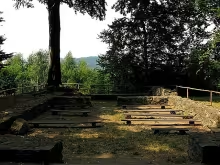
Hradisko svatého Klimenta is a significant pilgrimage and archaeological site recognized as a national cultural monument since 1999. Located in Moravany, Zlínský kraj, it holds deep spiritual significance tied to the history of Moravia, particularly the Cyrillo-Methodian tradition. It is believed that Saints Cyril and Methodius relocated Pope Saint Clement's relics from Chersonesus here. Positioned on the southwestern peak of the Chřiby hills, Hradisko svatého Klimenta guarded ancient trade routes connecting central Moravia with the Dyje-Svratka valley.
The site's origin is deeply linked to the Cyrillo-Methodian tradition. Legends suggest that in 864, Saint Cyril built a church on this inaccessible location to protect Saint Clement's relics from war threats. This narrative highlights its spiritual importance during a period when Moravia was a significant cultural and political entity influenced by Christianity through figures like Saints Cyril and Methodius.
Architecturally, Hradisko svatého Klimenta features a medieval church built in the late 14th century atop an earlier chapel from the 9th century. The acropolis is surrounded by massive double-layered fortifications, with additional triple layers on the eastern side. Enhancements include a wooden chapel added in 1964 and a bell tower dedicated to Saint Gorazd in 1985.
Ownership and administration have changed over time. In 1358, Olomoucký biskup Jan Očko z Vlašimi confirmed that Moravian margrave John Henry of Luxembourg donated a chapel to Brno's Augustinians for the veneration of Saint Clement. The site experienced turmoil during the Hussite Wars; in 1421, Hussites led by Bedřich ze Strážnice possibly destroyed the Augustinian provostship near Osvětimany on their return from an unsuccessful attack on Kyjov.
Key events include its strategic role in guarding ancient trade routes and its association with legends of Saint Cyril. Around 1700, local chronicler Jan Jiří Středovský noted remnants of church walls still visible at the hilltop, indicating the site's enduring historical presence.
Today, Hradisko svatého Klimenta remains a place of cultural and spiritual significance. Visitors can explore its archaeological features, including the medieval church and fortifications, while appreciating its historical context within Moravian history. Its strategic location and rich past make it a worthwhile destination for those interested in spirituality, history, and archaeology.
Hradisko svatého Klimenta offers a unique glimpse into the spiritual and cultural heritage of Moravia. Its historical significance, combined with architectural features, makes it an intriguing site worth visiting for anyone interested in the region's past and its enduring legacy.
Historical milestones
- 864
- Legend claims Saint Cyril built a church to protect relics.
- 1358
- Olomoucký biskup Jan Očko z Vlašimi confirmed chapel donation.
- 1421
- Hussites possibly destroyed Augustinian provostship near site.
- konec 14. století
- Medieval church built atop earlier chapel.
- 1964
- Wooden chapel added to the site.
- 1985
- Bell tower dedicated to Saint Gorazd constructed.
Architectural development
The site features a medieval church built in the late 14th century atop an earlier chapel from the 9th century. The acropolis is surrounded by massive double-layered fortifications, with additional triple layers on the eastern side. A wooden chapel was added in 1964 and a bell tower dedicated to Saint Gorazd in 1985.
Historical events
1358: Olomoucký biskup Jan Očko z Vlašimi confirmed that Moravian margrave John Henry of Luxembourg donated a chapel to Brno's Augustinians, which had been built in ancient times for the veneration of Saint Clement.
1421: Hussites led by Bedřich ze Strážnice unsuccessfully attacked Kyjov and possibly destroyed the Augustinian provostship near Osvětimany on their return.
Points of interest
- Although Hradisko svatého Klimenta is primarily known for its spiritual significance, it was also a strategic military site due to its position on ancient trade routes. This dual role highlights its importance in both cultural and defense contexts throughout history.
Guide
Show guide text
Welcome to the historic site of Hradisko svatého Klimenta in Moravany, Zlínský kraj. As you stand here, surrounded by the serene landscape, imagine yourself stepping into a place where history and spirituality intertwine. This revered pilgrimage site, recognized as a national cultural monument since 1999, beckons with its rich tapestry of stories woven through centuries.
Let's delve into its origins and historical context. The legend tells us that in 864, Saint Cyril built a church here to protect sacred relics, marking the beginning of this site's spiritual journey. Fast forward to 1358, when Olomoucký biskup Jan Očko z Vlašimi confirmed the donation of a chapel, further cementing its religious significance. The turbulent times of 1421 saw the Hussites possibly destroying an Augustinian provostship nearby, yet the site endured and evolved.
By the end of the 14th century, a medieval church was constructed atop the earlier chapel, symbolizing resilience and continuity. In more recent history, 1964 brought the addition of a wooden chapel, while in 1985, a bell tower dedicated to Saint Gorazd was erected, adding layers to its architectural narrative.
As you explore, take note of the bell tower that stands as a testament to the site's ongoing spiritual legacy. While specific architects remain unknown, the structures speak volumes through their presence and purpose.
This place is not just about spirituality; it also holds strategic importance due to its position on ancient trade routes. This dual role underscores its significance in both cultural and defense contexts throughout history.
Now, let me share a lesser-known fact that adds intrigue: although primarily known for its spiritual heritage, Hradisko svatého Klimenta's location made it a pivotal military site. Imagine the stories of travelers and soldiers who passed through this very spot, each adding their thread to the fabric of its history.
As we conclude our journey here, I invite you to continue exploring and reflecting on the layers of history that Hradisko svatého Klimenta holds. Thank you for joining me in uncovering the secrets of this remarkable site. May your visit inspire a deeper appreciation for the past and its enduring legacy.
Businesses nearby
Do you run a restaurant, accommodation, shop, museum, rental, wellness or other visitor service near this monument? Show yourself directly to the people heading to it — this is how they will see you in the app and on the web:
Nearby
The site is surrounded by the Chřiby hills and lies near the Dyje-Svratka valley. It is located approximately 4 km northwest of Osvětimany village center.
Accommodation nearby
Trips and activities nearby
Guided tours, tickets and activities nearby from GetYourGuide
Search tours and activities →Themed route
Tematická výletní trasa: Hradisko svatého Klimenta a okolí
1. Hradisko svatého Klimenta (archeologické naleziště) Typ: Archeologické naleziště Proč stojí za návštěvu: Toto místo nabízí pohled na historii z období 9. až 11. století, kdy bylo hradisko klíčovým centrem v regionu Chřibů. Navštěvníci mohou prozkoumat starobylé zbytky hradeb a objevit historické artefakty, které oživují minulost této oblasti.
2. Chřiby hory Typ: Horský terén Proč stojí za návštěvu: Chřiby jsou významnou přírodní památkou, která nabízí krásné pohledy a možnosti prozkoumání horského terénu. Procházka tímto regionem poskytuje útěk do klidu a příležitost prozkoumat divokou přírodu, která obklopuje hradisko svatého Klimenta.
3. Dyje-Svratka údolí Typ: Přírodní území Proč stojí za návštěvu: Toto údolí je známé svou přírodou a rekreačními možnostmi. Navíc je to ideální místo pro relaxaci u vodopádu nebo na pláži, kde můžete si užít klidné chvíle po prozkoumání historických lokalit.
Tato trasa nabízí kombinaci historie a přírody, což ji činí ideální volbou pro každého, kdo chtěl by objevit jak kulturní, tak i přírodní krásy oblasti Moravan.
Seasonal recommendations
Spring: The spring season at the archaeological site of Hradisko svatého Klimenta is a time when nature begins to awaken, bringing with it vibrant colors and fresh scents from blooming flora. This period offers a unique opportunity for visitors to enjoy the lush greenery that envelops the ruins, creating an enchanting atmosphere perfect for photography enthusiasts. As daylight hours gradually increase, the site benefits from softer morning light, ideal for exploring its historical intricacies without the harsh midday sun. Visitors should dress in layers due to fluctuating temperatures and be prepared for occasional rain showers. To avoid larger crowds that often gather during this pleasant season, consider visiting on weekdays or early in the morning.
Summer: Summer at Hradisko svatého Klimenta is characterized by long days filled with warm sunlight, making it an ideal time for families and history buffs to explore the site comfortably. The clear skies enhance visibility of the ruins against the backdrop of a bright blue sky, creating picturesque scenes perfect for leisurely strolls or guided tours. However, this peak season also attracts larger crowds, so arriving early in the day is advisable to secure a more intimate experience with less congestion. Light, breathable clothing and sun protection are essential due to higher temperatures, and carrying water is recommended to stay hydrated during your visit.
Autumn: Autumn offers a magical transformation at Hradisko svatého Klimenta as the foliage shifts into warm hues of orange, red, and gold. This season provides a serene atmosphere with fewer visitors compared to summer, allowing for peaceful exploration amidst the stunning natural beauty. The cooler temperatures make it comfortable for walking around the site without the need for heavy sun protection. Visitors should dress in layers to adapt to the changing weather conditions throughout the day. Early morning or late afternoon visits are particularly rewarding during this season, as the soft light accentuates the colors of the landscape and ruins.
Winter: During winter, Hradisko svatého Klimenta takes on a quiet and introspective character, with snow often blanketing the ruins in a serene white cover. The site's atmosphere becomes more mystical under the crisp winter sky, offering a unique perspective on its historical significance. However, shorter daylight hours mean that visits should be planned during the limited opening times, typically earlier in the day to make the most of natural light. Visitors are advised to wear warm clothing and sturdy footwear suitable for potentially icy conditions. This season is perfect for those seeking solitude and a peaceful experience away from the hustle and bustle of peak tourist seasons.
Visualizations and artistic views


Vizualizace jsou generovány umělou inteligencí a slouží jako inspirace.


Tips from visitors
No tips yet. Be the first!
Log in and add your tip.

Reviews and comments