





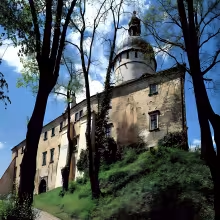
Grabštejn Castle, known as Grafenstein in German, stands majestically near Hrádek nad Nisou in the Liberec Region of the Czech Republic. Originally built in the late 13th century as a Gothic fortress, it has transformed over time into an ornate Renaissance chateau with Baroque and Neoclassical elements. Today, Grabštejn is celebrated as one of the most important monuments in the region, offering visitors guided tours that highlight its architectural splendor and artistic treasures.
The castle's origins date back to the late 13th century during Přemysl Otakar II.'s reign, a period marked by significant developments in Bohemia. Initially serving defensive and residential purposes, it began transforming in the mid-16th century when Crown Chancellor Georg Mehl von Strelitz acquired it in 1562. Between 1566 and 1586, Mehl commissioned renovations that turned the castle into a representative Renaissance chateau.
Architecturally, Grabštejn is notable for its blend of styles. The original Gothic structure was reimagined with Renaissance elegance under Jiří Mehl ze Střelic's direction by 1586. This period saw exquisite decorations in the chapel, attributed to Heinrich Bocksberger, known for his work on the 'Little Lenten Cloth' in Žitava. Further modifications included Neoclassical renovations around 1830 and a new building near the Old Castle constructed by Christian of Clam-Gallas in 1818. Despite damage from a fire in 1843, the Old Castle retained its Renaissance character.
Ownership has changed hands numerous times throughout history. Initially held by the Purkrabí z Donína family in the 13th century, it later passed to Jiří Mehl ze Střelic and various noble families, including Ferdinand Hoffmann z Grünbühelu, Rod Černousů, Nosticové, Trauttmansdorffové, Jan Václav Gallas, Clam-Gallasové, and Marie Podstatzká z Liechtensteinu. The castle's fortunes fluctuated with these transitions, reflecting broader historical events such as the Hussite Wars in the 15th century and the Thirty Years' War in the early 17th century, during which its great tower was destroyed by fire.
Key events include repeated sieges during the Hussite Wars and transformation into a Renaissance chateau under Jiří Mehl ze Střelic. Post-World War II, it became publicly accessible before being taken over by the Ministry of Defence in 1953. After the army vacated in the late 1980s, restoration efforts began in 1989. Today, Grabštejn stands as a testament to its resilience and historical significance.
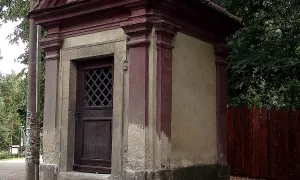
Currently owned by the state, Grabštejn offers guided tours showcasing its architectural beauty and historical importance. Visitors can explore the St. Barbara chapel, renowned for its Renaissance fresco paintings from the 16th century featuring interlaced figural, animal, and heraldic motifs. The castle's tower provides stunning views of the surrounding landscape, including the three-border-triangle, northern wing, and vault. Since being protected as a national cultural monument in 2008, Grabštejn has become one of the best-preserved monuments in the Czech Republic.
Grabštejn Castle is an architectural marvel and cultural treasure offering insight into the region's history and artistic heritage. Its blend of Gothic, Renaissance, Baroque, and Neoclassical elements makes it a unique destination for those interested in European architecture. Visitors are invited to experience its grandeur firsthand while enjoying breathtaking views from its tower.
Historical milestones
- 1300
- Original construction of the Gothic castle.
- 1566
- Transformation into a Renaissance chateau began.
- 1586
- Jiří Mehl ze Střelic completed the transformation.
- 1622
- The great tower burned down during the Thirty Years' War.
Architectural development
Originally built as a Gothic castle, Grabštejn underwent significant transformation into a Renaissance chateau under Jiří Mehl ze Střelic between 1566 and 1586. The chapel received exquisite Renaissance decorations by Heinrich Bocksberger. Over time, the castle saw various architectural changes, including classical renovations in the early 19th century.
Historical events
Hrad was repeatedly besieged during the Hussite Wars in the 15th century.
In 1586, Jiří Mehl ze Střelic transformed it into a Renaissance chateau.
The great tower burned down in 1622 during the Thirty Years' War.
Post-war, the original fortifications were demolished by imperial order in 1655.
Owners
Purkrabí z Donína (13th century)
Jiří Mehl ze Střelic (1566–1586)
Ferdinand Hoffmann z Grünbühelu
Rod Černousů
Nosticové
Trauttmansdorffové
Jan Václav Gallas (1704)
Clam-Gallasové
Marie Podstatzká z Liechtensteinu (1930–1945)
Points of interest
- Despite its transformation into a Renaissance chateau, Grabštejn Castle retains elements of its original Gothic design, showcasing the architectural evolution over centuries.
- The castle's chapel is adorned with fresco paintings from the 16th century by Heinrich Bocksberger, who is also known for his work on the 'Little Lenten Cloth' in Žitava, highlighting a connection between these two significant artworks of the era.
Guide
Show guide text
Welcome to Grabštejn Castle, a remarkable historical gem nestled in the village of Grabštejn near Hrádek nad Nisou. As you stand here, imagine yourself stepping back into time where history whispers through these ancient stones. The castle, originally constructed as a Gothic fortress in the late 13th century, has evolved beautifully over the centuries.
Let's delve into its fascinating past. The foundation of this structure dates back to around 1300 when it was first built as a formidable Gothic castle. Over time, Grabštejn transformed significantly. By the late 16th century, under the vision of Jiří Mehl ze Střelic, the castle underwent an extensive transformation into a stunning Renaissance chateau. This period marked a significant shift in architectural style and purpose, reflecting the changing tastes and needs of its era.
As you explore, take a moment to appreciate the exquisite Renaissance and early Mannerist decorations that adorn this historic structure. The chapel, a highlight within the castle, is particularly noteworthy for its fresco paintings by Heinrich Bocksberger from the 16th century. These artworks add a layer of artistic richness to the already captivating environment.
Throughout its history, Grabštejn has been associated with notable figures such as Přemysl Otakar II and Jiří Mehl ze Střelic himself, who played pivotal roles in shaping its destiny. The castle's story is also marked by dramatic events; for instance, the great tower was lost to flames during the Thirty Years' War in 1622.
One of the intriguing aspects of Grabštejn Castle is how it seamlessly blends elements of its original Gothic design with Renaissance transformations. This architectural evolution over centuries offers a unique narrative of adaptation and resilience.
As we conclude our brief journey through time, I invite you to continue exploring this enchanting site at your own pace. Each corner holds stories waiting to be discovered. Thank you for joining me on this exploration of Grabštejn Castle, where history comes alive in every stone.
Tips for visitors
The best time to visit Grabštejn Castle is during late spring or early autumn when the weather is pleasant, allowing for comfortable exploration of its grounds and surrounding landscapes. During these months, you can enjoy the lush greenery and blooming flowers that enhance the castle's picturesque setting near the Lužická Nisa valley. Additionally, visiting outside of peak summer months helps avoid large crowds, providing a more serene experience.
Parking is available nearby, but it’s advisable to check for any restrictions or availability as they can vary. Public transportation options are also accessible, with Grabštejn being reachable by bus from nearby towns like Hrádek nad Nisou. For the most current transport schedules and routes, consult a local travel website or app. Visitors should bring comfortable walking shoes, as exploring the castle grounds involves some walking.
For photography enthusiasts, early morning is ideal for capturing soft light that highlights the castle's architectural details and surrounding nature. The best spots include the main courtyard and any elevated viewpoints that offer expansive views of the valley. Be sure to check if photography is allowed in certain areas, as some historical sites may have restrictions.
Nearby attractions within a 30-minute drive include Hrádek nad Nisou, known for its scenic castle ruins overlooking the river. This makes it a perfect spot for families looking to explore more of the region's history and natural beauty. For families with children, Grabštejn offers an engaging experience with its historical significance and outdoor space ideal for picnics or leisurely walks.
Businesses nearby
Do you run a restaurant, accommodation, shop, museum, rental, wellness or other visitor service near this monument? Show yourself directly to the people heading to it — this is how they will see you in the app and on the web:
Nearby
Grabštejn is situated near the valley of Lužická Nisa and close to Hrádek nad Nisou. The area features natural landscapes and historical sites within a 5 km radius.
Accommodation nearby
Trips and activities nearby
Guided tours, tickets and activities nearby from GetYourGuide
Search tours and activities →Themed route
Thematic Tour Plan Featuring Grabštejn Castle
1. Grabštejn (Castle) *Type:* Historical Monument *Why Visit:* As the centerpiece of this tour, Grabštejn Castle offers a rich tapestry of history and architecture nestled in the scenic valley of Lužická Nisa. Visitors can explore its well-preserved medieval structures and enjoy panoramic views from its elevated position.
2. Hrádek nad Nisou *Type:* Historical Town *Why Visit:* Located approximately 5 km from Grabštejn, Hrádek nad Nisou is a charming town with a picturesque setting along the Nisa River. Its historical center features quaint streets and traditional architecture that provide insight into the region's past.
3. Lužická Nisa Valley *Type:* Natural Landscape *Why Visit:* The valley surrounding Grabštejn offers stunning natural beauty, making it perfect for a leisurely walk or hike. Its lush landscapes and serene environment complement the historical exploration of the area, providing a tranquil backdrop to your visit.
This tour combines history with nature, offering a comprehensive experience of the Liberecký kraj region's cultural and scenic highlights.
Seasonal recommendations
Spring: Visiting Grabštejn Castle during spring offers a unique blend of natural beauty and historical allure as the landscape awakens with vibrant colors. The blooming flowers and lush greenery provide a picturesque backdrop, enhancing the castle's medieval charm. This is an ideal time to explore the grounds, where nature trails are often lined with wildflowers and budding trees. Visitors should be prepared for occasional rain showers that can add a misty ambiance but also make paths slippery; therefore, comfortable walking shoes and a light waterproof jacket are recommended. The weather is generally mild, allowing for pleasant strolls without the intense heat of summer.
Summer: Summer at Grabštejn Castle is characterized by its lively atmosphere and longer daylight hours, making it perfect for extended exploration of both the castle's interiors and expansive grounds. This season sees peak visitor numbers, especially during weekends, so arriving early in the day can help avoid crowds and ensure a more relaxed experience. The warm weather allows visitors to enjoy outdoor activities such as picnicking or hiking nearby trails. It is advisable to wear breathable clothing and bring sun protection like hats and sunscreen, along with plenty of water to stay hydrated under the summer sun.
Autumn: Autumn transforms Grabštejn Castle into a stunning canvas of reds, oranges, and yellows, offering a magical setting for photography enthusiasts and nature lovers. The cooler temperatures make it comfortable to explore both inside and outside the castle without the summer heat. This is an excellent time for those who prefer fewer crowds, as visitor numbers tend to decrease compared to the summer months. Layered clothing is recommended due to the variable weather conditions, which can range from crisp sunny days to chilly, overcast ones. Bringing a warm coat or jacket will ensure comfort during your visit.
Winter: Winter at Grabštejn Castle provides a serene and atmospheric experience as snow blankets the landscape, creating a fairy-tale-like setting that contrasts beautifully with the castle's rugged architecture. The shorter daylight hours mean visiting earlier in the day is advisable to make the most of available light for sightseeing. While some areas may be closed due to weather conditions or ongoing re-construction efforts, there are still opportunities to enjoy the unique winter scenery. Visitors should dress warmly in insulated layers and wear sturdy boots suitable for potentially icy paths. Additionally, it's wise to check ahead for any changes in opening hours during this season.
Visualizations and artistic views

Vizualizace jsou generovány umělou inteligencí a slouží jako inspirace.


Tips from visitors
No tips yet. Be the first!
Log in and add your tip.


Reviews and comments