






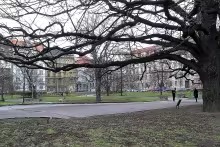
Dienzenhoferovy sady is a public park located in Prague's Smíchov district on the left bank of Jiráskův Bridge. Named after Kilián Ignác Dientzenhofer, a prominent Czech Baroque architect who built a baroque pavilion here in 1735, this park has undergone significant transformations over centuries. Initially part of Jesuit property, it later became a botanical garden under Maria Theresa's reign and served as an educational institution's asset. The park's current form dates back to 1929, designed by Vlastislav Hofman during the construction of Jiráskův Bridge.
The origins of Dienzenhoferovy sady trace back to the early 18th century when Kilián Ignác Dientzenhofer constructed a baroque pavilion in 1735. This period was marked by Bohemia's inclusion in the Habsburg Monarchy, experiencing significant cultural and architectural development under Baroque influence. The park initially served as part of Jesuit property before becoming the Studijní fond's possession following the dissolution of the Jesuit order in 1773. Under Maria Theresa’s direction, it was transformed into a renowned botanical garden, featuring new greenhouses and protective walls against floods.
Architecturally, Dienzenhoferovy sady began as a baroque pavilion built by Kilián Ignác Dientzenhofer. The area later evolved into a prominent botanical garden under Maria Theresa's reign, showcasing innovative architectural elements like greenhouses and flood protection structures. By the late 19th century, significant changes occurred with parcelation and redevelopment, leading to its current form designed by Vlastislav Hofman in 1929.
Ownership of Dienzenhoferovy sady has seen several transitions over time. Initially owned by Smíchov Jesuits, it became property of the Studijní fond after the dissolution of the Jesuit order in 1773. The garden served as a botanical institution under Maria Theresa's direction and was later transferred to the German part of Charles University in 1882. In the late 19th century, parcelation led to redevelopment, culminating in its modern form.
Key events in the park’s history include the construction of Dientzenhofer’s baroque pavilion in 1735 and the garden's transformation into a botanical institution under Maria Theresa. The dissolution of the Jesuit order in 1773 marked a significant change in ownership to the Studijní fond. In 1899, parcelation began in the northern part of the area, leading to the original botanical garden’s dissolution.
Today, Dienzenhoferovy sady stands as a testament to its rich history and architectural evolution. The park is publicly accessible without restrictions and features notable elements such as an impressive linden tree over 20 meters tall with a trunk circumference exceeding 3.75 meters, declared a protected monument in 2005. Additionally, the park includes a modern fountain shaped like a corkscrew, reconstructed at the end of the 20th century, and a sculpture named 'Jaro' by Ladislav Beneš, added in 1929.
Dienzenhoferovy sady offers visitors a unique blend of historical architecture and natural beauty. Its significance lies not only in its architectural heritage but also in its transformation over centuries, reflecting broader cultural and educational shifts. Visitors are invited to explore this park, where history and nature converge, offering a serene escape within the bustling city of Prague.
Historical milestones
- 1735
- Kilián Ignác Dientzenhofer constructed a baroque pavilion.
- 1773
- Dissolution of the Jesuit order; Studijní fond gained ownership.
- kolem 1770
- Transformation into a botanical garden under Maria Theresa's reign.
- 1882
- Garden transferred to the German part of Charles University.
- 1929
- Park redesigned by Vlastislav Hofman; 'Jaro' sculpture added.
Architectural development
The park was originally a baroque pavilion built by Kilián Ignác Dientzenhofer. It later became a renowned botanical garden under Maria Theresa, featuring new greenhouses and protective walls against floods. The area underwent significant changes in the late 19th century with parcelation and redevelopment, leading to its current form designed by Vlastislav Hofman in 1929.
Historical events
1735: Construction of a baroque pavilion by Kilián Ignác Dientzenhofer.
1773: Jesuit order dissolved, garden becomes property of Studijní fond.
1899: Parcelation begins in the northern part of the area, leading to the original botanical garden's dissolution.
Owners
Initially owned by Smíchov Jesuits; became property of the Studijní fond after the dissolution of the Jesuit order in 1773; served as a botanical garden under Maria Theresa's direction; transferred to the German part of Charles University in 1882; underwent parcelation and redevelopment in the late 19th century.
Points of interest
- The baroque pavilion constructed by Kilián Ignác Dientzenhofer in 1735 is one of the earliest examples of Baroque architecture to be preserved in Prague, reflecting the cultural influence of the Habsburg Monarchy during that era.
- Dienzenhoferovy sady was once part of a Jesuit property and later became an educational institution's asset after the dissolution of the Jesuit order in 1773. This transition highlights its historical role as both a religious and academic site.
Guide
Show guide text
Welcome to Dienzenhoferovy sady, a serene public park nestled on the left bank of Jiráskův Bridge in Prague's vibrant Smíchov district. As you stand here, take a moment to soak in the lush greenery and gentle rustle of leaves that envelops this historic site. Imagine stepping back into time as we explore its rich history together.
The story of Dienzenhoferovy sady begins with Kilián Ignác Dientzenhofer, an eminent Czech Baroque architect whose vision shaped much of Prague's architectural landscape in the 18th century. In 1735, he constructed a baroque pavilion here, one of the earliest examples of Baroque architecture preserved in the city. This pavilion reflects the cultural influence of the Habsburg Monarchy during that era and marks the beginning of this park’s storied past.
Initially part of Jesuit property, Dienzenhoferovy sady underwent significant transformations over the centuries. By around 1770, under the reign of Maria Theresa, it was transformed into a botanical garden—a testament to its evolving role in the community. The dissolution of the Jesuit order in 1773 marked another pivotal moment when Studijní fond gained ownership, setting the stage for further developments.
As you stroll through this park today, notice how the landscape has been thoughtfully redesigned over time. In 1929, Vlastislav Hofman reimagined the space, adding a touch of modernity with his redesign and introducing the 'Jaro' sculpture—a symbol of spring and renewal that captures the spirit of transformation.
While Kilián Ignác Dientzenhofer’s architectural legacy is evident in the early pavilion, it's fascinating to consider how this park has evolved from its Jesuit origins into a beloved public space. Each era left its mark, shaping Dienzenhoferovy sady into what you see today—a blend of history and nature.
As we conclude our journey through Dienzenhoferovy sady, I invite you to continue exploring this enchanting park at your own pace. Let the tranquility envelop you as you wander along its paths, perhaps discovering new details that speak to the rich tapestry of stories woven into its grounds. Thank you for joining me on this historical exploration, and may your visit be both enlightening and inspiring.
---
This audio guide is designed to immerse you in the history and beauty of Dienzenhoferovy sady, offering a glimpse into its past while encouraging further discovery. Enjoy your time here!
Tips for visitors
The best time to visit Dienzenhoferovy sady is during the spring or early autumn when the weather is mild, and the park's natural beauty is at its peak with blooming flowers and lush greenery. These seasons offer pleasant temperatures for a leisurely stroll and are ideal for enjoying outdoor activities. Additionally, visiting on weekdays can provide a more tranquil experience compared to weekends when the park might be busier.
Parking near Dienzenhoferovy sady may be limited due to its urban location, so it's advisable to use public transportation or find parking in nearby streets such as V Botanice, Matoušova, and Zborovská. The area is accessible by tram and bus lines that connect to Jiráskův Bridge, making it convenient for visitors traveling from different parts of Prague. Always check the latest transport options online before your visit.
When visiting Dienzenhoferovy sady, consider bringing a light jacket or sweater as temperatures can vary throughout the day, especially in spring and autumn. Comfortable walking shoes are recommended since the park offers several paths for exploration. A picnic blanket might be useful if you plan to enjoy a meal outdoors, but remember to check any local regulations regarding picnicking.
For photography enthusiasts, Dienzenhoferovy sady provides picturesque views of the Vltava River and the surrounding urban landscape. The best light is typically during the golden hours—early morning or late afternoon—when the sunlight creates a warm glow over the park. Try capturing images from different angles along the paths near Jiráskův Bridge for varied perspectives.
Nearby attractions within 30 minutes include the historic Smíchov district, which offers charming streetscapes and cultural sites such as museums and galleries. Visitors can also explore the nearby Botič River Park or take a short walk to enjoy views of Prague Castle from across the river. These locations provide additional opportunities for sightseeing and leisure.
For families with children, Dienzenhoferovy sady is a great spot due to its open spaces and playgrounds. It's an ideal place for kids to run around and play while parents relax in the park. Consider bringing snacks or a packed lunch to enjoy during your visit. The proximity to other attractions like Smíchov district can also make it convenient for family outings.
Businesses nearby
Nearby
Dienzenhoferovy sady is located near Jiráskův Bridge and close to Vltava River, with surrounding streets like V Botanice, Matoušova, and Zborovská. The area includes modern residential buildings and other urban features.
Accommodation nearby
Trips and activities nearby
Guided tours, tickets and activities nearby from GetYourGuide
Search tours and activities →Themed route
Dienzenhoferovy Sady Thematic Walking Tour
1. Dienzenhoferovy sady (park) - *Type:* Public Park - *Why Visit:* Begin your tour at Dienzenhoferovy sady, a serene green space offering picturesque views of the Vltava River and Jiráskův Bridge. The park is an ideal spot for relaxation and photography, capturing the blend of nature and urban architecture.
2. Jiráskův most (Jirásek Bridge) - *Type:* Architectural Landmark - *Why Visit:* A short walk from Dienzenhoferovy sady is Jiráskův most, a beautifully designed bridge that connects the park to the surrounding urban landscape. Its unique architecture and strategic location offer stunning vistas of Prague's skyline.
3. V Botanice Street - *Type:* Urban Walk - *Why Visit:* Stroll along V Botanice Street, which runs adjacent to Dienzenhoferovy sady. The street is lined with modern residential buildings and offers a glimpse into the contemporary urban life of Prague while maintaining proximity to nature.
4. Matoušova Street - *Type:* Urban Exploration - *Why Visit:* Continue your exploration along Matoušova Street, where you'll find an intriguing mix of modern architecture and vibrant street life. This area provides a contrast to the tranquility of Dienzenhoferovy sady, showcasing Prague's dynamic urban environment.
5. Zborovská Street - *Type:* Urban Walk - *Why Visit:* Conclude your tour on Zborovská Street, which offers a unique perspective of the city with its blend of historical and modern elements. The street's proximity to Dienzenhoferovy sady makes it an excellent endpoint for reflecting on the diverse architectural styles encountered during your walk.
This thematic walking tour highlights the harmonious coexistence of nature and urban development in Prague, offering visitors a comprehensive experience of Dienzenhoferovy sady and its immediate surroundings.
Seasonal recommendations
Spring: Spring at Dienzenhoferovy sady brings a vibrant transformation as the park bursts into life with colorful blooms and fresh greenery, creating an enchanting atmosphere perfect for leisurely strolls. The gentle warmth of the sun enhances the beauty of the newly awakened flora, making it ideal for photography enthusiasts or anyone seeking inspiration from nature's renewal. During this time, visitors can enjoy a relatively peaceful experience as school holidays have not yet begun, allowing for more intimate exploration of the park's historical pathways and sculptures.
Summer: Summer in Dienzenhoferovy sady offers long days filled with sunshine, making it an excellent time to bask in the lush landscapes and enjoy outdoor activities. The park becomes a popular destination for families and tourists alike, especially during weekends when visitors can be expected in larger numbers. To make the most of your visit, arrive early in the morning or later in the afternoon to avoid peak crowds and the midday heat. Comfortable walking shoes and light clothing are recommended, along with sunscreen and water to stay hydrated.
Autumn: Autumn at Dienzenhoferovy sady is characterized by a stunning display of fall foliage as leaves turn into vibrant shades of red, orange, and gold, creating a picturesque setting that draws nature lovers from near and far. The cooler temperatures make it an ideal time for extended walks or picnics amidst the park's historical features. As the days become shorter, visitors are advised to bring layers to accommodate the changing weather throughout the day. This season offers a more tranquil experience compared to summer, with fewer crowds allowing for a serene exploration of the park.
Winter: Winter at Dienzenhoferovy sady transforms the landscape into a quiet and contemplative space under a blanket of snow, offering a unique charm that contrasts sharply with its lively summer atmosphere. The historical elements of the park take on an ethereal quality in the soft winter light, making it a magical destination for those seeking solitude or inspiration during the colder months. Visitors should dress warmly in layers to stay comfortable and be prepared for shorter opening hours as daylight is limited. Despite the chill, the serene beauty of the park provides a peaceful retreat from the bustling city life.
Visualizations and artistic views

Vizualizace jsou generovány umělou inteligencí a slouží jako inspirace.

Tips from visitors
No tips yet. Be the first!
Log in and add your tip.
Location on the map





Příběhy a pověsti
Legendy, pověsti a příběhy spjaté s touto památkou
Reviews and comments