




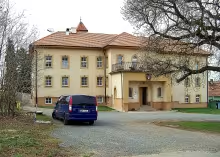
Zámek Lochkov is a two-winged building with a small tower located in Prague's district of Praha 10. First mentioned as a noble seat in 1399, it has experienced numerous ownership changes and transformations over the centuries. Notable for its historical significance and architectural evolution, Zámek Lochkov mirrors broader European trends from medieval landownership to industrialization.
The earliest recorded mention dates back to 1399 when it served as a noble seat, likely functioning as a manorial court. By 1435, Bořivoj z Lochkova resided there. Ownership shifted through various hands over time, including Lidmila Eusebia ze Sebuzína, who transferred the estate to Zbraslavský klášter in 1654 for 6,000 zlatých. In 1686, it was sold by the monastery to the Wendlingeni couple. The late 18th century saw Jan and Matěj Novákovi as its owners until Ferdinand Delorme acquired it. Delorme established the first cichorium factory in Austria there in 1800, marking a significant industrial milestone.
Architecturally, Zámek Lochkov underwent substantial changes in the 19th century when Josef Brzorád and his wife Marie Delorme transformed the original noble seat into a chateau. The eastern wing extends from an oblong base featuring an open porch with a balcony leading to the courtyard. The western wing is characterized by its romantic facade and spire, enhancing the building's aesthetic appeal.
Throughout its history, various owners have left their mark on the estate. After Delorme's industrial venture, Brzorád and his wife became significant figures in its story. During their ownership from 1808 to 1862, they hosted Danish Queen Caroline Amalie von Schleswig-Holstein-Sonderburg-Augustenburg, leading to a hill being renamed Karolinenberg in her honor.
Today, Zámek Lochkov is part of Prague's state property and serves as the location for a kindergarten in its northern wing and an administrative office in the western wing. The estate includes remnants of an agricultural complex from the socialist era and former brewery and distillery buildings converted into loft apartments known as Lochkov Lofts. The historical core, featuring the castle and manor house, is considered for designation as a heritage zone.
Visitors can explore the exterior, courtyard, and parts of the former park, which are freely accessible. Zámek Lochkov offers a glimpse into Prague's rich history, from its medieval roots to industrial advancements and cultural exchanges. Its architectural evolution and historical significance make it a worthwhile destination for those interested in exploring Czech heritage.
Historical milestones
- 1399
- First mention of Lochkov as a noble seat.
- 1800
- Establishment of the first cichorium factory in Austria by Ferdinand Delorme.
- 1862
- Hill renamed to Karolinenberg in honor of Danish Queen Caroline Amalie.
Architectural development
The original noble seat was transformed into a chateau in the 19th century. The eastern wing extends from an oblong base, featuring an open porch with a balcony, while the western wing has a romantic facade and spire. Over time, parts of the estate have been repurposed or fallen into disrepair.
Historical events
First mention of Lochkov as a noble seat in 1399.
Establishment of the first cichorium factory in Austria by Ferdinand Delorme in 1800.
Renaming of a hill to Karolinenberg in honor of Danish Queen Caroline Amalie von Schleswig-Holstein-Sonderburg-Augustenburg during Josef Brzorád's ownership.
Owners
Bořivoj z Lochkova (1435)
Lidmila Eusebia ze Sebuzína to Zbraslavský klášter (1654)
Manželé Wendlingeni (1686)
Jan a Matěj Novákovi (1794-1797)
Ferdinand Delorme (1800s, established the first cichorium factory in Austria)
Josef Brzorád and Marie Delorme (1808-1862)
Points of interest
- The name "Lochkov" is believed to derive from the Czech word for a small hole or opening, possibly referring to a natural feature in the landscape when it was first established as a noble seat.
- In 1800, Ferdinand Delorme's establishment of the first cichorium factory on European soil marked Lochkov not only as an industrial site but also as a pioneer in the production of chicory-based coffee substitutes during times of economic hardship and trade restrictions.
Guide
Show guide text
Welcome, and thank you for joining me today. You are standing before the historic Zámek Lochkov, a two‑winged building crowned with a modest tower that rises just above the roofline. The stone façade greets you with a quiet dignity, its weathered walls hinting at centuries of stories. The air is cool, the scent of old timber and stone mingling with a faint breeze that carries the distant hum of Prague’s city life. Take a moment to breathe in the scene: the symmetry of the building, the subtle shadow of the tower, the way the light falls across the stone.
Let’s step back and look at the origins of this place. The first written record of Lochkov dates back to 1399, when it was mentioned as a noble seat. Imagine a medieval lord, perhaps Bořivoj z Lochkova, standing on the very grounds you now occupy, overseeing his lands and the people who lived there. That name, Bořivoj, appears again in 1435, suggesting that the family’s presence was firmly established. The castle’s early years were steeped in the feudal rhythms of the time, with the local populace tied to the land and the lord’s household.
Fast forward a few centuries, and the world around Lochkov has changed dramatically. In the early 1800s, Ferdinand Delorme, a visionary entrepreneur, founded the first cichorium factory on European soil right here in the vicinity of Lochkov. This industrial venture was a testament to the region’s growing importance in the production of chicory, a crop that would become a staple in many households. The factory’s establishment marked a shift from purely feudal landholding to a more modern, economically driven society.
The 19th century also brought a transformation of Lochkov’s very appearance. Josef Brzorád, a man of taste and ambition, and his wife Marie, born Delorme, decided to convert the medieval stronghold into a chateau. Their vision was to blend the historic with the romantic. Picture the open porch that now leads to a courtyard, where a balcony offers a gentle overlook of the surrounding gardens. The romantic style that emerged from this renovation is evident in the delicate arches and the soft, inviting lines that contrast with the fortress’s original solidity.
Now let’s turn our eyes to the architecture itself. The building’s two wings stand side by side, each with its own façade that mirrors the other, creating a harmonious balance. Notice the small tower perched at the corner; it’s not a grand battlement but a subtle reminder of the castle’s defensive past. The porch, with its gently sloping roof, invites you to step inside, while the courtyard beyond is framed by a balcony that offers a quiet place to pause. The romantic touches are visible in the subtle ornamentation along the porch’s edges and the gentle curves that soften the overall silhouette of the structure.
As we walk around, you’ll see that the stonework is consistent with the period’s construction methods, yet the romantic additions hint at a more refined aesthetic. The balcony, for instance, is a clear departure from the austere medieval design, offering a space for contemplation and perhaps a moment of reflection on the lives that have passed through these halls.
Let’s delve into some of the key figures associated with Lochkov. Bořivoj z Lochkova, who lived in the 15th century, was a notable local lord whose influence extended beyond the castle walls. His lineage continued to play a role in the region’s affairs. Then there’s Lidmila Eusebia ze Sebuzína, whose name surfaces in the historical records of the area. The Zbraslavský klášter, a nearby monastery, had ties to the castle, perhaps in terms of land ownership or spiritual guidance. The Wendlingeni family, a noble lineage, had connections to the estate, as did the Novákovi brothers, Jan and Matěj, who were known for their patronage of the arts. And of course, the Delorme family—Ferdinand, who pioneered the cichorium factory, and Marie, who, as the wife of Josef Brzorád, helped shape the castle’s romantic transformation. These individuals, each in their own way, contributed to the tapestry of Lochkov’s history.
Now, let’s pause for a moment of intrigue. The very name “Lochkov” is thought to derive from a Czech word meaning a small hole or opening. It’s believed that the original settlers named the place after a natural feature—a small opening in the landscape—when they first established the noble seat. Imagine a modest cleft in the earth, a place where the earth opened up, perhaps a spring or a small ravine, that became a landmark for the early occupants. That simple, almost humble feature gave the castle its name, and the name has endured for over six centuries.
Another fascinating tidbit is the hill on which Lochkov sits. In 1862, it was renamed Karolinenberg in honor of Danish Queen Caroline Amalie. This renaming reflects the broader European connections of the time, as well as the influence of foreign dignitaries on local geography. It’s a reminder that even a small hill in Prague’s outskirts can become a point of international significance.
As we near the end of our walk, take a final look
Businesses nearby
Do you run a restaurant, accommodation, shop, museum, rental, wellness or other visitor service near this monument? Show yourself directly to the people heading to it — this is how they will see you in the app and on the web:
Nearby
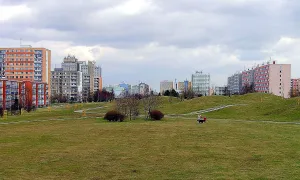
The area around Zámek Lochkov includes remnants of an estate park enclosed by stone walls, agricultural buildings from the socialist era, and public parks. The historical core of the village with the castle and manor house is considered for designation as a heritage zone.
Accommodation nearby
Trips and activities nearby
Guided tours, tickets and activities nearby from GetYourGuide
Search tours and activities →Themed route
Zámek Lochkov – Castle – The centerpiece of the route, this historic manor offers a glimpse into the region’s aristocratic past. Inside, the preserved rooms and period furnishings tell stories of the local nobility, while the surrounding grounds provide a tranquil setting for reflection.
Estate Park Remnants – Enclosed Park – Just a short stroll from the castle, the stone‑walled estate park showcases the original layout of the manor’s grounds. Walking through the remnants of formal gardens and tree‑lined avenues lets you imagine the grandeur that once graced this landscape.
Socialist Era Agricultural Buildings – Agricultural Complex – Continuing along the path, the modest structures from the socialist period offer a stark contrast to the castle’s elegance. These utilitarian buildings illustrate the village’s 20th‑century agrarian history and the shift in land use over time.
Public Park – Public Park – The route concludes at the local public park, a communal green space that blends natural beauty with recreational facilities. It’s an ideal spot to relax, enjoy a picnic, or simply soak in the peaceful atmosphere that surrounds the historic core.
Seasonal recommendations
Spring at Lochkov Castle feels like a breath of fresh air, with the gardens awakening in bursts of pink and white. The early morning light filters through budding trees, creating a soft, almost ethereal glow over the stone walls. Because the castle opens early in the season, arriving just after opening time—around 10 am—lets you stroll through the grounds before the midday crowds arrive. Wear light layers; the temperatures can swing from cool to pleasantly warm, and a light rain jacket is handy for those sudden showers that spring is known for.
Summer brings the castle into full bloom, with the surrounding park in full, lush green. The evenings are warm and the castle’s interior lights cast a golden glow that makes the architecture feel almost magical. To avoid the peak crowds, aim for weekday mornings or late afternoons; the gardens are less crowded after the noon rush. Pack sunscreen, a hat, and stay hydrated—there are plenty of shaded spots, but the heat can be intense in the afternoon. A light, breathable outfit is ideal, and a pair of comfortable walking shoes will help you explore the extensive grounds.
Autumn turns the castle grounds into a palette of amber and crimson. The crisp air and the sound of leaves crunching underfoot create a serene atmosphere that feels almost cinematic. The castle’s lighting during this time is warm and inviting, especially as the sun sets earlier. Visit during the late morning or early afternoon to catch the golden hour light on the stone, and you’ll also avoid the larger crowds that form in the late afternoon. Dress in layers; the temperature can drop quickly in the evenings, so a light jacket or sweater is recommended.
Winter offers a quiet, almost mystical experience, with the castle’s stone walls framed by a blanket of snow. The interior lights create a cozy, intimate ambiance that feels like stepping into a storybook. During the winter months, the castle opens later and for fewer hours, so arriving right at opening time—usually around 10 am—ensures you can explore without the usual rush. Dress warmly: think a wool coat, scarf, gloves, and waterproof boots. The cooler temperatures and shorter daylight hours mean you’ll want to plan your visit in the morning to make the most of the daylight, and to stay comfortable while walking the snow‑covered paths.
Visualizations and artistic views

Vizualizace jsou generovány umělou inteligencí a slouží jako inspirace.


Tips from visitors
No tips yet. Be the first!
Log in and add your tip.




Reviews and comments