





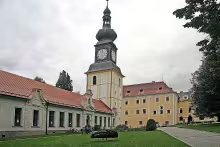
The Žďár nad Sázavou Monastery is a significant cultural monument located in the town of Žďár nad Sázavou, Czech Republic. Founded in 1252 as Fons Beatae Mariae Virginis by Boček z Obřan with Bishop Mikuláš z Újezda's presence, it evolved from Gothic to Baroque architecture. The site is renowned for its association with architect Jan Santini Aichel, who played a key role in its transformation into a Baroque masterpiece.
Initially established during a period of religious and territorial growth in Bohemia, the monastery expanded Cistercian influence across Europe. It faced destruction during the Hussite Wars but was restored by Jiří z Poděbrad. In 1588, Karel II. Minsterberský initiated an exchange that transferred it to the Bishopric of Olomouc.
Architecturally, the monastery began as a Gothic structure and underwent Baroque renovations led by Jan Santini Aichel in the 17th century. The cloister was partially demolished for new buildings, including a chapel designed by Giovanni Battista Spinetti di Angelo. These changes reflect both stylistic evolution and functional adaptation over time.
Throughout its history, the monastery experienced various ownerships and dramatic transformations. Initially under the Cistercian Order until 1784, it later came under the Bishopric of Olomouc in 1588. Key figures include Boček z Obřan, Mikuláš z Újezda, Jiří z Poděbrad, and Jan Santini Aichel. It also served as a strategic border station between Bohemia and Moravia.
The monastery has witnessed key events shaping its history: founded in 1252 by Boček z Obřan, destroyed during the Hussite Wars, restored under Jiří z Poděbrad, and transferred to bishopric ownership in 1588. These events highlight its resilience and adaptability to political and religious changes.
Today, Žďár nad Sázavou Monastery stands as a cultural monument reflecting centuries of historical significance. It is open to visitors interested in exploring its rich history and architectural beauty. Its strategic location near the Czech-Moravian border enhances its appeal as a heritage destination.
The monastery symbolizes architectural ingenuity and resilience through centuries of change. From its founding in 1252 to its transformation under Jan Santini Aichel, it remains a must-visit for those exploring the cultural heritage of the Czech Republic. Visitors can delve into this historical gem, where each stone tells a story of faith, conflict, and renewal.
Historical milestones
- 1252
- Foundation of the Cistercian monastery Fons Beatae Mariae Virginis.
- 1607
- Renovation by zednický mistro Petrem Šeresem.
- 1638
- Reacquisition and restoration of the monastery by Jan Greifenfels z Pilsenburku.
Architectural development
The monastery began as a Gothic structure, with significant Baroque renovations led by Jan Santini. The original layout was altered during the 17th century when parts of the cloister were demolished and replaced with new buildings, including a chapel designed by Giovanni Battista Spinetti di Angelo. These changes reflect both stylistic evolution and functional adaptation over time.
Historical events
Founded in 1252 by Boček z Obřan with the presence of Bishop Mikuláš z Újezda.
Destroyed during the Hussite Wars and later restored under Jiří z Poděbrad's efforts.
Converted into a bishopric property in 1588 through an exchange initiated by Karel II. Minsterberský.
Owners
Cistercian Order (1252-1784)
Bishopric of Olomouc (1588 onwards)
Points of interest
- Despite its association with Baroque architecture, the monastery's cloister was partially demolished in the 17th century to make way for new buildings, including a chapel designed by Giovanni Battista Spinetti di Angelo, reflecting both stylistic evolution and functional adaptation.
- The monastery served as a strategic border station between Bohemia and Moravia, highlighting its geopolitical significance beyond religious purposes throughout history.
Guide
Show guide text
Welcome to the Žďár nad Sázavou Monastery, an architectural marvel nestled in the heart of Kraj Vysočina. As you stand here, surrounded by the serene landscape, imagine stepping back in time to 1252 when this site was first established as a Cistercian monastery named Fons Beatae Mariae Virginis. This place has stood witness to centuries of history and transformation.
The origins of this sacred space are deeply rooted in its foundation by the noble Boček z Obřan, who sought to create a spiritual haven that would endure through time. Over the years, it evolved from its original Gothic style into the Baroque elegance we admire today, thanks largely to the visionary work of architect Jan Santini. His influence is palpable as you explore the site, where each corner tells a story of artistic and architectural evolution.
As you wander around, take a moment to appreciate the intricate details that define this place. Notice how the architecture harmoniously blends elements from different eras, reflecting both its historical significance and aesthetic beauty. The monastery's transformation under Jan Santini’s guidance is evident in the graceful curves and ornate designs that characterize the Baroque style.
Throughout its history, Žďár nad Sázavou Monastery has been home to many influential figures. Among them were Přibyslav z Křižanova and Mikuláš z Újezda, who contributed to its spiritual and cultural legacy. The monastery also played a crucial role in border defense between Bohemia and Moravia, highlighting its strategic importance beyond the religious realm.
One intriguing aspect of this site is the cloister that was partially demolished in the 17th century. This decision paved the way for new constructions, including a chapel designed by Giovanni Battista Spinetti di Angelo. Such changes reflect not only stylistic evolution but also functional adaptation to meet the needs of its time.
As you continue your exploration, let yourself be captivated by the rich tapestry of stories and personalities that have shaped this place. From Boček z Obřan's initial vision to Jan Greifenfels z Pilsenburku’s restoration efforts in 1638, each chapter adds depth to the monastery's legacy.
We invite you to delve deeper into the history and beauty of Žďár nad Sázavou Monastery. Take your time to absorb its atmosphere and let the echoes of the past guide your journey through this remarkable site. Thank you for joining us on this exploration, and we hope it inspires a lifelong appreciation for the stories etched in these walls.
Tips for visitors
The best time to visit the Žďár nad Sázavou Monastery is during late spring or early autumn, when the weather is mild and pleasant for exploring both the monastery grounds and surrounding natural landscapes. During these months, you can enjoy the lush greenery and blooming flowers without the crowds of summer tourists. Additionally, visiting in the shoulder seasons often means fewer visitors, allowing for a more serene experience as you explore the architectural beauty of this historic site.
Parking is available near the monastery, but it's advisable to check current availability online or upon arrival due to potential seasonal variations. Public transportation options are also accessible, with local buses serving the area; however, specific routes and schedules should be verified through a transport search tool prior to your visit. This ensures a smooth journey whether you choose to drive or use public transit.
When planning your visit, consider bringing comfortable walking shoes as there is much ground to cover within the monastery complex and its gardens. A camera is recommended for capturing the stunning architecture and serene landscapes, especially during golden hour when the light accentuates the Gothic and Baroque elements of the buildings. Don't forget a hat or sunscreen if visiting in warmer months, as well as a water bottle to stay hydrated.
For families with children, the monastery offers an engaging experience with its historical significance and beautiful surroundings. The nearby natural landscapes provide opportunities for outdoor activities such as walking or picnicking. Additionally, the area around Žďár nad Sázavou is rich in cultural sites within a 30-minute drive, including other monasteries and historical landmarks that can make for an educational day trip.
Businesses nearby
Do you run a restaurant, accommodation, shop, museum, rental, wellness or other visitor service near this monument? Show yourself directly to the people heading to it — this is how they will see you in the app and on the web:
Nearby
Located near the historical Czech-Moravian border, the area around Žďár nad Sázavou features natural landscapes and other cultural sites within a 5 km radius, enhancing its appeal as a heritage destination.
Accommodation nearby
Themed route
Thematic Tour Itinerary: Žďár nad Sázavou and Surroundings
1. Žďárský klášter (Žďár nad Sázavou Monastery) - Type: Historical Religious Site - Why Visit: The Žďár nad Sázavou Monastery is a stunning example of Baroque architecture, renowned for its grandeur and intricate design. As the largest monastery in the Czech Republic, it offers visitors breathtaking views from its tower and an opportunity to explore its rich history within the monastic complex.
2. Kostel svatého Jakuba (St. James Church) - Type: Historical Religious Site - Why Visit: Located approximately 1 km from the monastery, St. James Church is a beautiful example of Gothic architecture with Baroque elements. Its impressive facade and serene atmosphere make it an essential stop for those interested in religious art and history.
3. Žďárské vrchy (Žďár Hills) - Type: Natural Landscape - Why Visit: Within a 5 km radius of Žďár nad Sázavou, the Žďár Hills offer picturesque landscapes and hiking opportunities. This natural area provides a peaceful retreat for nature lovers and those looking to enjoy panoramic views of the surrounding countryside.
4. Historická hranice (Historical Czech-Moravian Border) - Type: Cultural Heritage Site - Why Visit: The historical border between Bohemia and Moravia is an intriguing cultural landmark that adds depth to the region's history. Exploring this area offers insights into the past geopolitical landscape, enhancing the understanding of local heritage.
This itinerary provides a balanced mix of architectural beauty, natural scenery, and cultural exploration within the vicinity of Žďár nad Sázavou, ensuring a memorable experience for all visitors.
Seasonal recommendations
Spring: Spring at Žďár nad Sázavou is a time of renewal and blooming beauty, with the monastery grounds coming alive as flowers like crocuses and daffodils start to bloom. The soft light of early spring mornings casts a gentle glow over the historic architecture, enhancing its charm. Visitors should consider wearing layers, as temperatures can vary widely during this transitional season. It's an ideal time for photography enthusiasts due to the vibrant colors and fewer crowds compared to summer.
Summer: Summer at Žďár nad Sázavou offers long days filled with warm sunshine, perfect for exploring the monastery’s extensive gardens and enjoying outdoor activities. The lush greenery surrounding the site provides a picturesque backdrop that enhances its historic allure. This is peak tourist season, so arriving early in the day can help avoid larger crowds. Comfortable walking shoes and light clothing are recommended to stay cool as you wander through this lively period.
Autumn: Autumn brings a stunning transformation to Žďár nad Sázavou with vibrant foliage painting the landscape in rich hues of red, orange, and gold. The cooler temperatures make for pleasant strolls around the monastery grounds, while the soft autumn light creates a serene atmosphere ideal for reflection. This is a less crowded time compared to summer, allowing visitors to enjoy the site more peacefully. Wearing layers can help accommodate fluctuating weather conditions typical of this season.
Winter: Winter in Žďár nad Sázavou offers a unique and tranquil experience as snow blankets the monastery grounds, creating a magical winter wonderland. The historic architecture takes on an enchanting appearance under the soft glow of streetlights or during festive lighting displays. Visitors should dress warmly, with coats, hats, gloves, and sturdy boots being essential for comfort. Opening hours may be shorter, so checking in advance is advisable to ensure you make the most of your visit during this serene season.
Visualizations and artistic views

Vizualizace jsou generovány umělou inteligencí a slouží jako inspirace.

Tips from visitors
No tips yet. Be the first!
Log in and add your tip.
Location on the map
More monuments – Žďár nad Sázavou 2
Show all in the municipality
Příběhy a pověsti
Legendy, pověsti a příběhy spjaté s touto památkou
Reviews and comments