






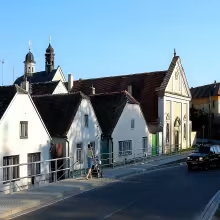
Špitál a kaple svaté Kateřiny is a significant early Baroque historical complex located in Jaroměřice nad Rokytnou, Vysočina Region. This site serves as a testament to its origins as an infirmary and shelter for the elderly, closely linked with Cistercian nuns from Dalešice. In 1672, under Jan Kreutz's supervision and funded by Jana Antonína z Questenberku, the chapel underwent major renovations, marking it as a notable cultural monument today.
The origins of Špitál a kaple svaté Kateřiny trace back to the early 14th century when Cistercian nuns from Dalešice established their presence near Jaroměřice nad Rokytnou. The Lichtenburks, local lords, supported these efforts by donating land for an infirmary and chapel dedicated to Saint Catherine. This facility served as a refuge for the sick and elderly, initially managed by the nuns until the dissolution of their convent in 1560. Subsequently, the local community assumed responsibility, later transitioning under the jurisdiction of the local lordship.
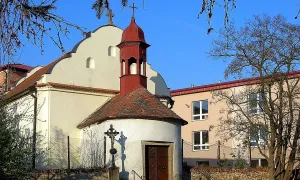
Architecturally, Špitál a kaple svaté Kateřiny underwent significant transformation during the Baroque period. Originally featuring less distinction between the chapel and infirmary, the renovation in 1672 introduced notable changes such as a bell tower and a walled garden. The interior was reorganized with a cross corridor dividing functional spaces for cooking, storage, and patient rooms, enhancing its utility and aesthetic appeal.
Ownership of this site transitioned from the Lichtenburks to the local community in 1560 following the convent's dissolution. Later, it came under the jurisdiction of the local lordship, which provided operational funding while maintaining control over admissions, typically reserved for elderly servants. This historical shift reflects broader socio-political changes within the region during that era.
Key events include its establishment around 1303 by Cistercian nuns and significant renovations in 1672. The chapel was consecrated on November 25, 1673, marking a pivotal moment in its history. Notably, the infirmary's garden once extended to the Rokytná River, highlighting its historical significance. A small gallery above the entrance doors provides access from a neighboring house via wooden stairs, adding an intriguing architectural feature.
Today, Špitál a kaple svaté Kateřiny stands as a preserved cultural monument undergoing restoration efforts since the 1990s. The city plans to establish a basic art school within its premises, ensuring its continued relevance and accessibility. Visitors are drawn not only by its historical significance but also by its architectural beauty and serene location near the Rokytná River.
Špitál a kaple svaté Kateřiny offers a unique glimpse into the Baroque period's influence on regional architecture and community life in Bohemia. Its rich history, coupled with ongoing restoration efforts, makes it an invaluable cultural site worth exploring for those interested in early modern European history and heritage conservation.
Historical milestones
- 1673
- The chapel of Saint Catherine was consecrated on November 25th.
Architectural development
The infirmary originally had a different structure, with less distinction between the chapel and the main building. The Baroque renovation in 1672 introduced significant changes, including a bell tower and walled garden. The interior was divided by a cross corridor into functional spaces for cooking, storage, and patient rooms.
Historical events
- 1303
- The Cistercian nuns from Dalešice established their presence near Jaroměřice nad Rokytnou.
- 1560
- The infirmary was taken over by the local community of Jaroměřice nad Rokytnou after the dissolution of the Cistercian convent.
- 1672
- Major renovations and expansions were carried out on the chapel under Jan Kreutz's supervision.
Owners
Initially managed by the Lichtenburks and Cistercian nuns from Dalešice, the infirmary was later taken over by the local community of Jaroměřice nad Rokytnou in 1560. Subsequently, it came under the jurisdiction of the local lordship.
Points of interest
- The garden of the infirmary once extended all the way to the Rokytná River, illustrating how expansive and integral it was to the site's function as a place of refuge and healing.
- A unique architectural feature is the small gallery above the entrance doors, which provides access from a neighboring house via wooden stairs, adding an element of intrigue and practicality to the complex’s design.
Guide
Show guide text
Welcome to the historical complex of Špitál a kaple svaté Kateřiny in Jaroměřice nad Rokytnou, nestled within the serene Vysočina Region. As you stand here, imagine yourself stepping back into an era where architecture and spirituality intertwined, creating this remarkable site that has withstood the test of time.
This complex originally served as a sanctuary for healing and refuge, closely linked to the Cistercian nuns from Dalešice. It was in 1672 when significant renovations transformed the chapel under the guidance of Jan Kreutz, funded by Jana Antonína z Questenberku. The following year marked an important milestone: on November 25th, 1673, the chapel of Saint Catherine was consecrated, solidifying its place as a spiritual haven.
As you gaze upon the structure, notice the architectural elegance that characterizes early Baroque design. While specific architects remain unknown, the craftsmanship speaks volumes through every detail. Above the entrance doors, there's a small gallery—a unique feature offering access from a neighboring building—demonstrating thoughtful integration with its surroundings.
The history of this place is enriched by notable figures like Jan Kreutz and Jan Václav Achantes, whose contributions have left an indelible mark on its legacy. Their dedication to creating a space that offered solace and care continues to resonate through the centuries.
A fascinating aspect of Špitál a kaple svaté Kateřiny is how it once extended into a garden reaching all the way to the Rokytná River, highlighting its expansive role in providing refuge and healing. This connection with nature underscores the holistic approach to well-being embraced by those who lived here.
As you explore further, allow yourself to be drawn into the stories etched within these walls, each corner whispering tales of devotion and care. We invite you to delve deeper into this remarkable site, discovering its secrets and appreciating the legacy it holds.
Thank you for joining us on this journey through time. May your exploration inspire a deeper appreciation for the history and beauty that surrounds you here in Jaroměřice nad Rokytnou.
Tips for visitors
The best time to visit Špitál a kaple svaté Kateřiny is during late spring or early autumn, when the weather is mild and pleasant for exploring outdoor sites. These seasons offer vibrant natural landscapes surrounding the historical complex, enhancing your experience with beautiful scenery along the Rokytná River. Additionally, visiting outside of peak tourist season ensures fewer crowds, allowing you to appreciate the site's tranquility and architectural details more intimately.
Parking is available near Špitál a kaple svaté Kateřiny, though it may be limited during busy times. For those preferring public transport, Jaroměřice nad Rokytnou can be accessed via regional bus services; however, specific routes should be checked in advance using a transportation search tool. If driving, the site is conveniently located close to the cross passage leading to a Loreta chapel, making it easy to explore nearby attractions on foot.
When visiting Špitál a kaple svaté Kateřiny, consider bringing comfortable walking shoes as you'll likely be exploring both indoors and outdoors. A light jacket or sweater is advisable due to variable weather conditions, especially in the evenings. Don't forget your camera for capturing the architectural beauty of the early Baroque structures and the serene natural surroundings.
For photography enthusiasts, the best spots are around the entrance of the chapel where lighting accentuates the intricate details of the Baroque architecture. Early morning or late afternoon light provides a soft glow that enhances textures and shadows, making it ideal for capturing stunning images. Additionally, taking photos near the Rokytná River can offer picturesque views with reflections adding to the composition.
Within a 30-minute drive from Špitál a kaple svaté Kateřiny are other cultural sites worth visiting. The Loreta chapel nearby offers another glimpse into historical architecture and spiritual heritage, making it a perfect complement to your visit. Exploring these sites together can provide a deeper understanding of the region's cultural landscape.
For families with children, Špitál a kaple svaté Kateřiny is an engaging destination due to its rich history and beautiful surroundings. The area around the Rokytná River offers opportunities for leisurely walks or picnics, allowing kids to enjoy nature while learning about historical sites. Interactive storytelling about the site's past as an infirmary can captivate young minds, making it both educational and enjoyable.
Businesses nearby
Do you run a restaurant, accommodation, shop, museum, rental, wellness or other visitor service near this monument? Show yourself directly to the people heading to it — this is how they will see you in the app and on the web:
Nearby
Located near the Rokytná River and close to a cross passage leading to a Loreta chapel. The area is characterized by its natural landscape and proximity to other cultural sites within Vysočina.
Accommodation nearby
Themed route
Thematic Walking Tour: Špitál a kaple svaté Kateřiny and Surroundings
1. Špitál a kaple svaté Kateřiny (Chapel) - *Type:* Historical Chapel - *Why Visit:* Begin your journey at this serene chapel, renowned for its architectural beauty and historical significance. The chapel offers a glimpse into the past with its intricate designs and peaceful atmosphere, making it an ideal starting point to understand the cultural heritage of Jaroměřice nad Rokytnou.
2. Loreta Chapel - *Type:* Religious Site - *Why Visit:* A short walk from the main chapel leads you to the Loreta Chapel via a cross passage. This site is cherished for its spiritual ambiance and historical relevance, providing insight into the religious practices of the region. The proximity to the Rokytná River enhances the tranquility experienced here.
3. Rokytná River - *Type:* Natural Landscape - *Why Visit:* Follow the gentle path along the banks of the Rokytná River for a refreshing walk through nature. This area is perfect for those who appreciate natural beauty and offers a peaceful retreat with picturesque views, complementing the cultural exploration of nearby historical sites.
This tour seamlessly integrates history, spirituality, and nature, offering a comprehensive experience of Jaroměřice nad Rokytnou's rich heritage.
Seasonal recommendations
Spring: The arrival of spring breathes new life into the Chapel of Saint Catherine, with its surrounding landscapes adorned by vibrant wildflowers and budding trees. This season offers a serene atmosphere as nature awakens, making it an ideal time for peaceful reflection within the chapel's historic walls. Visitors should consider wearing comfortable layers to accommodate fluctuating temperatures, and arriving early in the morning can help avoid larger crowds that often gather during this pleasant weather.
Summer: Summer transforms the Chapel of Saint Catherine into a picturesque destination with lush greenery and warm sunlight casting a golden glow over the historical structures. This is the peak tourist season, so expect larger numbers of visitors exploring the chapel's serene ambiance. To fully enjoy your visit, dress in light clothing suitable for the warmer weather, and consider arriving early to beat the crowds or visiting later in the afternoon when temperatures are more comfortable.
Autumn: Autumn brings a stunning display of colors as leaves turn into fiery hues around the Chapel of Saint Catherine, creating a picturesque setting that enhances its historical charm. The cooler temperatures make it a pleasant time for exploration without the summer heat. Visitors should wear layers to adjust to the changing weather and take advantage of the relatively quieter atmosphere compared to summer, allowing for more intimate appreciation of the chapel's beauty.
Winter: Winter cloaks the Chapel of Saint Catherine in a quiet, almost mystical atmosphere as snow blankets the landscape, offering a unique perspective on its historical architecture. The shorter days mean the chapel may have limited opening hours, so plan your visit accordingly. Dress warmly to enjoy the winter scenery comfortably, and consider an early visit to make the most of daylight hours while experiencing the tranquil beauty of this historic site in the colder months.
Visualizations and artistic views

Vizualizace jsou generovány umělou inteligencí a slouží jako inspirace.


Atmosphere of the place
Atmospheric visualization of the setting and era
Tips from visitors
No tips yet. Be the first!
Log in and add your tip.


Reviews and comments