






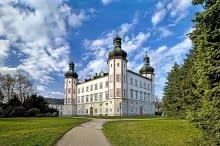
Zámek Vrchlabí is a prominent Renaissance castle located in Vrchlabí, within Královéhradecký kraj. It stands near the city center, adjacent to its square and park. This historical monument has been protected since 1964 due to its cultural significance.
Originally built on the site of a Gothic water fortress by local nobles, it was transformed into its current form under Christoph von Gendorf in the mid-16th century. The castle features a three-story rectangular layout with octagonal corner towers and an impressive central hall adorned with Renaissance stucco work.
The origins trace back to when the site housed a Gothic water fortress owned by local nobles. In 1533, Christoph von Gendorf acquired the estate from Jan Tetaur z Tetova for 1750 kop českých grošů. Construction on a new Renaissance-style residence began between 1546 and 1548, modeled after Saxon-Silesian designs. This transformation marked one of the earliest secular Renaissance buildings in Bohemia, reflecting cultural and architectural developments influenced by Renaissance ideas spreading across Europe.
Architecturally, Zámek Vrchlabí is notable for its three-story rectangular structure with octagonal corner towers. The central hall features colorful faience tiles depicting biblical scenes, a rare surviving element of the original Renaissance fittings. A fire in 1575 severely damaged the upper floors, leading to provisional repairs. Significant renovations and expansions between 1605 and 1614 gave the castle its present form, likely with contributions from Italian architect Carlo Valmadi.
Ownership changed hands several times over the centuries. After Christoph von Gendorf's death in 1563, his daughter Eustachia inherited the estate, which later passed to her daughters. In 1624, Albrecht von Wallenstein acquired the estate from Wilhelm Miřkovský but did not fully pay the agreed sum, leading to a temporary retention of ownership by Wilhelm's heirs. By 1635, Rudolf von Morzin obtained the estate as a reward for military services and financial aid, marking the beginning of the Morzin family's association with Zámek Vrchlabí.
Throughout its history, Zámek Vrchlabí has witnessed several key events. The fire in 1575 necessitated repairs that altered parts of the structure. In 1624, Albrecht von Wallenstein's acquisition marked a significant change in ownership and use, as the estate was utilized for producing military equipment during his time. These events highlight the castle's resilience and adaptability over centuries.
Today, Zámek Vrchlabí is surrounded by an extensive park offering scenic views and proximity to other historical sites within a five-kilometer radius. The castle remains accessible to visitors, providing insight into its rich history and architectural evolution. Its preserved Renaissance elements, such as the ornate stoves from 1545, continue to captivate those interested in cultural heritage.
Zámek Vrchlabí stands as a testament to the historical and architectural developments of its time. Its enduring presence invites exploration and appreciation for its unique blend of history, artistry, and resilience. Visitors are encouraged to experience this remarkable monument firsthand, immersing themselves in the legacy it represents.
Historical milestones
- kolem 1350
- Vznik Gothicke vodni tvrze.
- 1533
- Christoph von Gendorf zakoupil statky.
- 1546-1548
- Zacatek stavby renesanckeho rezidence.
- 1575
- Po ohni byly provedeny provizorni opravy.
- 1605-1614
- Vazne rekonstrukce a rozsireni zameku.
- 1624
- Zisk Albrechta von Wallensteina.
Architectural development
The original Renaissance structure was completed around 1546-1548 under Christoph von Gendorf. After a fire in 1575, it underwent provisional repairs and later significant renovations between 1605-1614, which included expansions that gave the castle its present form. Italian architect Carlo Valmadi likely contributed to these enhancements.
Historical events
1546-1548: Main construction of the Renaissance castle completed.
1575: A fire severely damaged the upper floors, leading to provisional repairs.
1624: Albrecht von Wallenstein acquired the estate from Wilhelm Miřkovský.
Owners
1533: Kryštof z Gendorfu
1561: Eustachia (dcera Kryštofa z Gendorfu)
1624: Albrecht z Valdštejna
1635: Rudolf z Morzina
Points of interest
- The castle's colorful faience tiles depicting biblical scenes are one of the rare surviving elements from its original Renaissance fittings, offering a unique glimpse into the artistic details of that era.
- Albrecht von Wallenstein acquired Zámek Vrchlabí in 1624 but did not fully pay the agreed sum, leading to a temporary retention of ownership by Wilhelm Miřkovský's heirs, reflecting the complex financial dealings and negotiations of the time.
Guide
Show guide text
Welcome to the historic Zámek Vrchlabí, a jewel nestled in the heart of Vrchlabí within Královéhradecký kraj. As you stand before this majestic Renaissance castle, take a moment to absorb its grandeur dominating the city center. Imagine stepping back into time as we explore the rich tapestry of history woven through its walls.
The origins of Zámek Vrchlabí date back to around 1350 when it began life as a Gothic water fortress. Built by local nobles, this strategic site was designed for defense and control over the surrounding lands. Fast forward to the mid-16th century, and you'll find that the castle underwent a significant transformation under Christoph von Gendorf's guidance. Between 1546 and 1548, he initiated the construction of what we now recognize as its Renaissance form—a testament to his vision and ambition.
As your gaze sweeps across the castle’s façade, notice its three-story rectangular layout with distinctive octagonal corner towers. These architectural choices are not merely aesthetic; they reflect a blend of functionality and grandeur typical of the Renaissance era. The design was further refined by architects Kryštof z Gendorfu and Carlo Valmadi, whose influence is evident in every stone.
Now, let’s delve into some fascinating stories tied to this place. Christoph von Gendorf was instrumental not only in its transformation but also in shaping its legacy, which continued through his daughter Eustachia. The castle's narrative took a dramatic turn when Albrecht z Valdštejna acquired it in 1624. Although he never fully settled the purchase price, his association with Zámek Vrchlabí adds an intriguing layer to its history.
One of the most captivating features you can observe is the castle’s colorful faience tiles depicting biblical scenes. These rare surviving elements from its original Renaissance fittings offer a unique glimpse into the artistic details of that era. As you admire these intricate designs, consider how they have withstood the test of time, telling stories through their vibrant imagery.
As we near the end of our audio journey, I invite you to explore further and let your curiosity guide you through every nook and cranny of Zámek Vrchlabí. Whether it's pondering its storied past or simply enjoying the serene atmosphere, there’s always more to discover. Thank you for joining me on this exploration, and may your visit leave a lasting impression.
Safe travels as you continue to uncover the wonders of history!
Tips for visitors
The best time to visit Zámek Vrchlabí is during the late spring or early fall, when the weather is pleasant for exploring both indoors and outdoors. During these months, the surrounding park blooms beautifully, offering a picturesque setting that complements the castle's Renaissance architecture. Additionally, visiting outside of peak summer can mean fewer crowds, allowing you to enjoy the historical exhibits at your own pace.
Parking near Zámek Vrchlabí is generally accessible; however, it's advisable to check for any restrictions or permits required in advance. Public transportation options are available and can be a convenient way to reach the castle from nearby towns. For those traveling by car, parking facilities may be located within walking distance of the site.
When visiting Zámek Vrchlabí, consider bringing comfortable walking shoes as you'll likely explore both the interior and the extensive park area. A camera is recommended for capturing the stunning views and architectural details of the castle. Don't forget to bring a hat or sunscreen if traveling during sunny months, and perhaps a light jacket in case it gets cooler.
For photography enthusiasts, early morning or late afternoon provides the best natural lighting conditions around Zámek Vrchlabí. The park offers several scenic spots with views of the castle against the backdrop of the surrounding landscape. Inside the castle, look for well-lit rooms and corridors that highlight the intricate details of its Renaissance design.
Within a 30-minute drive from Zámek Vrchlabí are other historical sites worth exploring. These include nearby castles or manor houses with their own unique histories and architectural styles. The proximity to these attractions makes it easy to plan a day trip encompassing multiple cultural experiences in the Královéhradecký kraj region.
For families visiting Zámek Vrchlabí, there are several activities that can keep children engaged. Interactive exhibits or guided tours specifically designed for younger audiences might be available. The park surrounding the castle is ideal for a family picnic or a leisurely walk, allowing kids to explore nature while adults enjoy the historical aspects of the site.
Businesses nearby
Do you run a restaurant, accommodation, shop, museum, rental, wellness or other visitor service near this monument? Show yourself directly to the people heading to it — this is how they will see you in the app and on the web:
Nearby
Zámek Vrchlabí is surrounded by an extensive park and lies near the town center. The area offers scenic views and is close to other historical sites within a five-kilometer radius.
Accommodation nearby
Themed route
Thematic Walking Tour: Vrchlabí Castle and Surroundings
1. Zámek Vrchlabí (Castle) - Type: Historical Monument - Why Visit: Begin your journey at the heart of this historic castle, surrounded by an extensive park offering scenic views. Explore its rich history dating back to the 13th century and marvel at the architectural beauty that has stood the test of time.
2. Zámek Park (Castle Park) - Type: Scenic Park - Why Visit: Just a short walk from the castle, this expansive park is perfect for leisurely strolls or picnics amidst lush greenery and beautiful landscapes. It's an ideal spot to relax after exploring the castle interiors.
3. Vrchlabí Town Center - Type: Historic Town Area - Why Visit: Located within walking distance from the castle, the town center offers a glimpse into local life with charming streets and historical buildings. Discover quaint shops and cafes as you wander through this picturesque area.
4. Náměstí Míru (Peace Square) - Type: Public Square - Why Visit: Situated near the town center, Peace Square is a vibrant hub of activity with its inviting atmosphere and local events. It's a great place to soak in the ambiance of Vrchlabí and perhaps catch a performance or market.
5. Church of St. James (Kostel svatého Jakuba) - Type: Historical Church - Why Visit: A short walk from the town center, this church is an architectural gem with its stunning baroque style and intricate details. It offers a peaceful retreat and a chance to appreciate the spiritual heritage of Vrchlabí.
This tour provides a comprehensive experience of Vrchlabí's historical and cultural offerings, all within easy walking distance from each other.
Seasonal recommendations
Spring: Visiting the Vrchlabí Castle during spring offers a unique experience as nature reawakens around this historic site. The castle grounds are adorned with blooming flowers, creating vibrant displays of color that enhance the picturesque setting. This season provides softer lighting and mild temperatures, perfect for leisurely exploration without the intense summer heat. It's advisable to wear layers, as mornings can be cool while afternoons warm up. While spring is generally less crowded than peak tourist seasons, it’s still a good idea to visit early in the day to avoid larger groups that gather later.
Summer: Summer at Vrchlabí Castle is characterized by lush greenery and long daylight hours, ideal for extended visits. The castle's gardens are particularly beautiful during this time, with mature foliage providing ample shade. However, summer also brings larger crowds, especially on weekends and holidays, so arriving early in the morning can help avoid the busiest times. Comfortable walking shoes and light clothing are recommended due to warmer temperatures, and carrying water is essential for staying hydrated.
Autumn: Autumn transforms Vrchlabí Castle into a stunning tapestry of reds, oranges, and yellows as the leaves change color. This season offers a more tranquil atmosphere compared to summer, with fewer visitors enjoying the cooler weather and scenic views. The soft autumn light creates an enchanting ambiance perfect for photography. Wearing layers is advisable due to fluctuating temperatures throughout the day, and it's wise to check the castle’s schedule as some areas may close earlier in response to shorter daylight hours.
Winter: Winter at Vrchlabí Castle provides a magical experience with its snow-covered landscape and festive atmosphere. The castle takes on an ethereal quality against the backdrop of crisp white surroundings, making it a picturesque destination for holiday visits or winter walks. However, be prepared for colder temperatures and potentially limited access to some areas due to weather conditions. Dress warmly in layers, wear sturdy boots, and plan your visit during daylight hours as opening times may vary with shorter days.
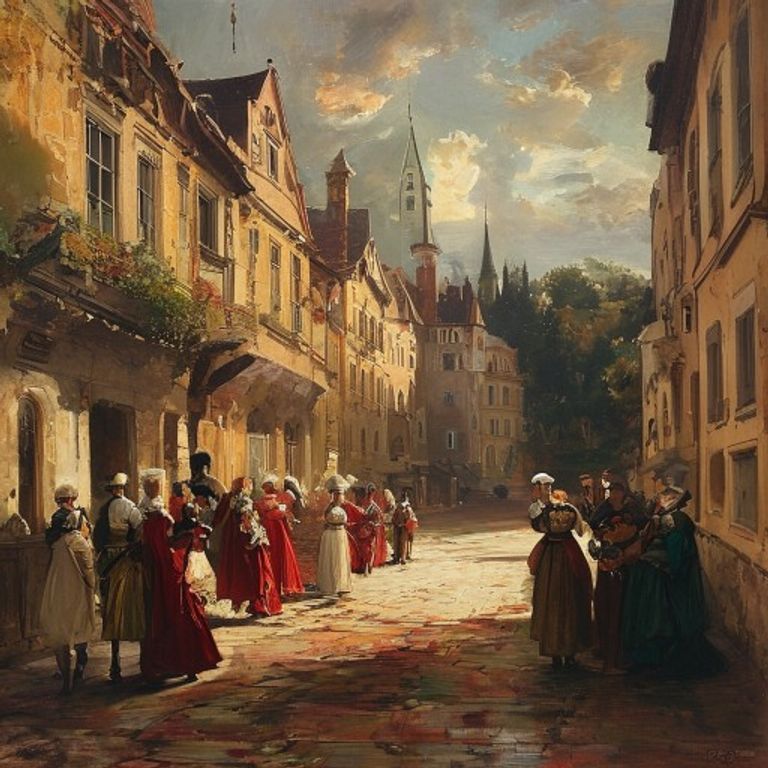
Visualizations and artistic views

Vizualizace jsou generovány umělou inteligencí a slouží jako inspirace.


Tips from visitors
No tips yet. Be the first!
Log in and add your tip.
Location on the map

Příběhy a pověsti
Legendy, pověsti a příběhy spjaté s touto památkou
Reviews and comments