





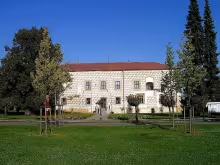
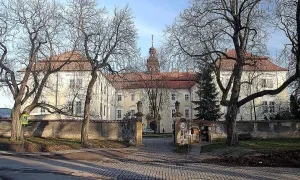
Zámek Suchdol is a Renaissance castle located in Suchdol near Kutná Hora, within the Středočeský region of the Czech Republic. Originally built as a Gothic fortress in the 14th century by wealthy citizens of Kutná Hora, it was transformed into its current form during the 16th century. This historical monument is notable for its preserved Renaissance wings adorned with sgraffito plasterwork and serves today as the local municipal office.
The origins of Zámek Suchdol trace back to the 14th century when it was established as a Gothic fortress by affluent Kutná Hora citizens such as Tomlin Velflin, Prokop, and Petr Píšek. The fortress played a role during Bohemia's political turmoil, notably being besieged in 1402 during King Sigismund's siege of Kutná Hora. Over time, ownership passed through various hands, including notable families like the Popelové, who were instrumental in its transformation into a Renaissance castle.
Architecturally, Zámek Suchdol began as a Gothic fortress but was significantly altered in the 16th century under the influence of the Renaissance period. The Popelové family, particularly Václav Popel z Vesce, played a key role in this transformation by renovating interiors and expanding living spaces with new palatial structures. Today, the castle's most distinctive architectural features are its two Renaissance wings, which showcase intricate sgraffito plasterwork.
Throughout its history, Zámek Suchdol has seen numerous owners who have shaped its destiny. Initially owned by Kutná Hora citizens like Petr Píšek in 1394, it later came under the control of figures such as Jan ze Suchdola and Mikuláš ze Suchdola during the early 15th century. By the late 16th century, ownership had transitioned to the Popelové family, who were responsible for its Renaissance transformation. The castle's role evolved over time from a noble seat to serving primarily economic purposes by the late 18th century.
Key events in the history of Zámek Suchdol include its siege during King Sigismund’s campaign and its architectural evolution under the Popelové family. These transformations reflect broader cultural shifts, such as the Renaissance's influence on European architecture. The castle also witnessed various ownership disputes and financial challenges faced by its owners.
Today, Zámek Suchdol stands as a protected cultural monument, housing the local municipal office. Its historical significance and architectural beauty make it an intriguing destination for visitors interested in exploring the rich tapestry of Czech history. The preserved Renaissance elements offer a glimpse into the past, inviting exploration and appreciation of this remarkable site.
Zámek Suchdol is not only a testament to the region's historical evolution but also a symbol of cultural resilience. Its well-preserved architecture and storied past make it an essential visit for anyone interested in the history and heritage of the Czech Republic.
Historical milestones
- 14th century
- Founding of the castle as a Gothic fortress.
- 1402
- Siege during Sigismund's campaign to Kutná Hora.
- 16th century
- Transformation into a Renaissance castle.
- 1394
- Petr Píšek becomes the owner.
- 16th century
- Renaissance reconstruction by the Popel family.
Architectural development
Zámek Suchdol began as a Gothic fortress in the 14th century, likely established by Kutná Hora's affluent citizens. In the 16th century, it was transformed into a Renaissance castle under the ownership of the Popelové family, who renovated its interiors and expanded living spaces with new palatial structures.
Historical events
1402: The fortress was besieged during the siege of Kutná Hora by King Sigismund's forces.
16th century: Transformed from a Gothic fortress to a Renaissance castle under the Popelové family.
Owners
14th century: Tomlin Velflin, Prokop, Petr Píšek
1394-1420: Petr Píšek
1420-1433: Jan ze Suchdola, Mikuláš ze Suchdola
1433-1500: Půta z Častolovic, Jan Kerunk z Lomu, Mikuláš Hrabaně z Přerubenic
1508-1512: Záviš Sulkov z Hrádku
1516-1521: Kuneš Bohdanecký z Hodkova
1525-1529: Oldřich Pařízek z Pařízku
1530-1545: Jan Pařízek z Pařízsku, Václav Popel z Vesce
Points of interest
- Zámek Suchdol was originally constructed as a Gothic fortress in the 14th century by wealthy citizens of Kutná Hora, including Tomlin Velflin and Petr Píšek, reflecting the city's prosperity during that era.
- During King Sigismund’s siege of Kutná Hora in 1402, Zámek Suchdol was besieged, illustrating its strategic importance amidst Bohemia's political turmoil at the time.
- The Popelové family, particularly Václav Popel z Vesce, were pivotal in transforming the castle into a Renaissance masterpiece during the 16th century, showcasing their influence and resources.
Guide
Show guide text
Welcome to the historic Zámek Suchdol, a remarkable cultural monument nestled in the charming town of Suchdol near Kutná Hora. As you stand here, imagine yourself stepping back into time with each stone and arch that whispers tales from centuries past.
The origins of this majestic site trace back to the 14th century when it was initially constructed as a Gothic fortress by affluent citizens of Kutná Hora. Notable figures like Tomlin Velflin and Petr Píšek were instrumental in its creation, reflecting the city's prosperity during that era. The strategic importance of Suchdol is highlighted by an event from 1402 when it was besieged during King Sigismund’s campaign against Kutná Hora.
As you gaze upon Zámek Suchdol today, notice how the fortress underwent a significant transformation in the 16th century into a Renaissance castle. The architectural evolution can be seen in its elegant lines and refined details that blend Gothic robustness with Renaissance grace. Although specific architects remain unnamed, their influence is evident in every corner of this historic site.
Throughout its storied history, Zámek Suchdol has been home to many influential figures. Petr Píšek became the owner in 1394, marking a new chapter in its legacy. Later, during the Renaissance period, it was the Popel family who undertook extensive renovations, leaving their mark on this timeless structure.
One of the most intriguing aspects of Zámek Suchdol is its resilience and adaptability over time. Despite being besieged in 1402, it stood firm, a testament to the strength and determination of those who built and protected it. Its walls have witnessed numerous historical events and changes in ownership, each adding layers to its rich tapestry.
As you continue your exploration, let your imagination wander through the corridors of time, envisioning the lives that once moved within these walls. From noble gatherings to strategic meetings, Zámek Suchdol has played a pivotal role in the region's history.
We invite you to delve deeper into this fascinating site and uncover more secrets hidden within its storied past. Thank you for joining us on this journey through time at Zámek Suchdol. Enjoy your exploration!
Businesses nearby
Do you run a restaurant, accommodation, shop, museum, rental, wellness or other visitor service near this monument? Show yourself directly to the people heading to it — this is how they will see you in the app and on the web:
Nearby
Zámek Suchdol is situated near Kutná Hora in the Středočeský region. The surrounding landscape includes typical Bohemian countryside with rolling hills and historical towns.
Accommodation nearby
Trips and activities nearby
Guided tours, tickets and activities nearby from GetYourGuide
Search tours and activities →Themed route
Thematic Vlog Tour Itinerary: Zámek Suchdol and Surroundings
1. Zámek Suchdol (Castle) - Type: Historic Castle - Why Visit: Begin your journey at the heart of this itinerary, Zámek Suchdol, a stunning example of Renaissance architecture nestled in the Bohemian countryside near Kutná Hora. Explore its elegant interiors and learn about its rich history dating back to the 16th century.
2. Kutná Hora (Historical Town) - Type: Historical Town - Why Visit: A short drive from Zámek Suchdol, Kutná Hora is renowned for its well-preserved medieval architecture and UNESCO World Heritage status. Discover the historic Jewish Quarter with its charming synagogues and the iconic Sedlec Ossuary.
3. Bohemian Countryside (Rolling Hills) - Type: Scenic Landscape - Why Visit: After exploring Kutná Hora, take a leisurely drive through the picturesque Bohemian countryside characterized by rolling hills and lush greenery. This scenic route offers breathtaking views and an opportunity to appreciate the natural beauty surrounding Zámek Suchdol.
4. Local Historical Sites in Suchdol (Nearby Villages) - Type: Local Heritage - Why Visit: Conclude your tour by exploring local historical sites within the vicinity of Suchdol. These lesser-known gems offer a glimpse into the region's cultural heritage and provide a tranquil end to your thematic journey through history and nature.
This itinerary provides a balanced mix of architectural marvels, historical exploration, and natural beauty, all within reach from Zámek Suchdol.
Seasonal recommendations
Spring: Visiting Suchdol Castle during spring offers a delightful experience as the castle grounds come alive with blooming flowers and lush greenery, creating an idyllic setting that enhances the historical ambiance. The gentle warmth of the season brings out vibrant colors in nature, making it perfect for photography enthusiasts. As the weather is generally mild, visitors are encouraged to dress comfortably but be prepared for occasional rain showers. Springtime typically sees moderate crowds, so arriving early can provide a more tranquil exploration of the castle's architecture and gardens.
Summer: The summer months at Suchdol Castle are characterized by long daylight hours and warm temperatures, ideal for exploring the expansive grounds and enjoying outdoor activities. This season is particularly popular, resulting in larger visitor numbers, especially during weekends and holidays. To avoid the crowds, it is advisable to visit early in the morning or later in the afternoon. Light, breathable clothing and sun protection are essential due to the intense sunlight. Summer also offers a lively atmosphere with various events that celebrate the region's cultural heritage.
Autumn: Autumn at Suchdol Castle provides a picturesque setting as the foliage transforms into warm hues of orange, red, and gold. The cooler temperatures make it an excellent time for leisurely strolls through the castle’s surroundings, capturing stunning fall landscapes. This season tends to have fewer visitors compared to summer, offering a more serene experience. Visitors should dress in layers to accommodate the fluctuating weather conditions, which can range from crisp mornings to milder afternoons. The atmospheric lighting of autumn enhances the historical charm of the castle.
Winter: Winter brings a unique and enchanting atmosphere to Suchdol Castle, with snow-covered grounds that create a magical backdrop for exploring the historic site. The shorter days mean earlier closing times, so planning your visit during daylight hours is crucial. Visitors should dress warmly in layers, including hats, gloves, and insulated footwear, as temperatures can be quite cold. While winter may deter some tourists due to inclement weather, it also offers a quieter experience with fewer crowds, allowing for an intimate appreciation of the castle’s architecture and history.
Visualizations and artistic views

Vizualizace jsou generovány umělou inteligencí a slouží jako inspirace.

Tips from visitors
No tips yet. Be the first!
Log in and add your tip.


Reviews and comments