





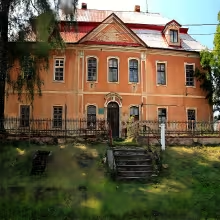
Zámek Slezské Pavlovice stands as a testament to architectural evolution and historical significance in Slezské Pavlovice, Moravskoslezský kraj. Originally built as a water fortress in the 14th century, it was transformed into its current form in 1557 by Štěpán z Vrbna mladší. This cultural monument is notable for its late Baroque style and historical transitions through various ownerships, reflecting broader European religious and political changes.
The origins of Zámek Slezské Pavlovice trace back to a water fortress believed to have existed since the 14th century. In 1557, Štěpán z Vrbna mladší undertook its reconstruction into a castle, marking the beginning of its documented history. This transformation was part of broader architectural and societal shifts occurring during this period in Bohemia, then under Habsburg rule, amidst significant religious upheavals like the Protestant Reformation.
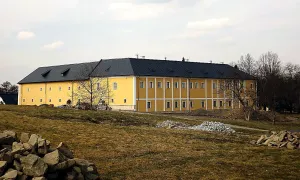
Architecturally, Zámek Slezské Pavlovice underwent several transformations that shaped its current appearance. Initially reconstructed by Štěpán z Vrbna mladší, it was later significantly renovated in 1684 under Maxmilián Bees z Chrostiny. The most notable architectural change occurred in 1766 when Jan Mattencloit redesigned the structure into its present late Baroque form, characterized by a rectangular layout with a single-story structure adorned with delicate stucco decorations and a mansard roof. The main facade features an imposing triangular pediment above the central entrance.
Ownership of Zámek Slezské Pavlovice has seen several notable figures throughout history. After its initial reconstruction in 1557, it was granted to Jiří Kamenohorský z Kamenné Hory a Tišnova by Vilém Prusinovský z Víckova in 1571. In 1684, Maxmilián Bees z Chrostiny initiated major renovations, and in 1766, Jan Mattencloit transformed it into its current form. The castle remained with the Mattencloit family until 1923 when it passed to the Justová family, who owned it until 1945 when it was confiscated post-World War II.
Throughout its history, Zámek Slezské Pavlovice has witnessed significant events that reflect broader historical narratives. Its transformation in 1557 and subsequent Baroque redesign by Jan Mattencloit in 1766 are key milestones. Post-1945, the castle served as a storage facility for medical supplies, illustrating its adaptive reuse over time.
Today, Zámek Slezské Pavlovice stands unoccupied but is undergoing restoration efforts since 2018. Its historical and architectural significance makes it a worthwhile visit for those interested in exploring Moravian cultural heritage. Visitors can appreciate the castle's intricate stucco work and Baroque elements while reflecting on its storied past within the charming town center of Slezské Pavlovice.
Historical milestones
- 1571
- Vilém Prusinovský z Víckova granted Německé Pavlovice with the newly built castle to Jiří Kamenohorský.
- 1684
- Maxmilián Bees z Chrostiny initiated a major reconstruction of the castle.
- 1766
- Jan Mattencloit transformed the castle into its current late Baroque form.
Architectural development
The original water fortress was transformed into a castle in the mid-16th century. In 1684, it underwent significant renovations under Maxmilián Bees z Chrostiny. The most notable architectural change occurred in 1766 when Jan Mattencloit redesigned the structure into its present late Baroque style.
Historical events
Reconstruction into a castle in 1557 by Štěpán z Vrbna mladší.
Baroque transformation completed by Jan Mattencloit in 1766.
Owners
Štěpán z Vrbna mladší (16th century)
Jiří Kamenohorský z Kamenné Hory a Tišnova (1571)
Maxmilián Bees z Chrostiny (1684)
Jan Mattencloit (1766-1923)
Rodina Justova (until 1945)
Points of interest
- The transformation of Zámek Slezské Pavlovice from a water fortress to its current form in 1557 marked the beginning of its documented history during a period of significant religious upheaval, notably the Protestant Reformation.
- Architecturally, one of the castle's most striking features is its late Baroque style, characterized by delicate stucco decorations and a mansard roof, which were introduced in a major redesign by Jan Mattencloit in 1766.
Guide
Show guide text
Welcome to the historic Zámek Slezské Pavlovice, an architectural gem nestled in the heart of Slezské Pavlovice, Moravskoslezský kraj. As you stand here, take a moment to absorb the serene beauty and grandeur that surrounds this cultural monument. Imagine stepping back into time as you gaze upon its elegant structure, where history whispers through every stone.
The origins of Zámek Slezské Pavlovice trace back to the 14th century when it was initially built as a water fortress. However, its transformation began in 1557 under the vision of Štěpán z Vrbna mladší, who reshaped it into the form you see today. This period coincided with significant religious upheaval during the Protestant Reformation, marking an era where change was both inevitable and profound.
As you look at the castle's main facade, notice its rectangular layout and single-story design, adorned with delicate stucco decorations that speak of a bygone elegance. The mansard roof adds to its charm, creating a harmonious blend of strength and grace. This architectural transformation is not just about aesthetics but also reflects the historical narratives woven into its walls.
Throughout its history, Zámek Slezské Pavlovice has been touched by several notable figures. In 1571, Vilém Prusinovský z Víckova granted Německé Pavlovice with this newly built castle to Jiří Kamenohorský, marking a significant moment in its legacy. Later, in 1684, Maxmilián Bees z Chrostiny spearheaded a major reconstruction, further shaping the castle's destiny.
The most transformative period came in 1766 when Jan Mattencloit reimagined the castle into its current late Baroque form. This era infused it with an artistic flair that still captivates visitors today. Each of these figures contributed to the tapestry of stories that make this place so unique and intriguing.
One fascinating aspect of Zámek Slezské Pavlovice is its evolution from a water fortress to the architectural masterpiece you see now—a journey marked by resilience and adaptation through centuries. This transformation reflects not just physical changes but also the shifting tides of history, culture, and belief systems that swept across Europe during these times.
As we conclude this auditory tour, I invite you to explore further, allowing yourself to be enveloped in the castle's rich history and architectural beauty. Let your imagination wander through its halls, pondering the lives and stories that have unfolded within these walls. Thank you for joining me on this journey into the past at Zámek Slezské Pavlovice. May your visit inspire a deeper appreciation for the artistry and history it embodies.
Tips for visitors
The best time to visit Zámek Slezské Pavlovice is during the late spring or early autumn months, from May to September. During these times, the weather is generally pleasant, allowing visitors to comfortably explore both the castle and its surrounding Moravian landscapes. The natural beauty of the area is particularly striking in this period, with blooming flora enhancing the picturesque setting. Additionally, visiting outside peak summer months can mean fewer crowds, providing a more serene experience.
Parking and transportation options are convenient for those planning to visit Zámek Slezské Pavlovice. There is parking available near the town center where the castle is situated, making it easy for visitors driving their own vehicles. For those preferring public transport, both bus and train services can bring you close to the area. It's advisable to check current routes and schedules using a transportation app or website prior to your visit to ensure smooth travel.
When visiting Zámek Slezské Pavlovice, it is recommended to wear comfortable walking shoes as there may be some uneven surfaces around the castle grounds. Bringing a camera is also advised, as the castle offers several picturesque spots for photography, particularly in the early morning or late afternoon when the light is soft and warm. The castle's architecture against the backdrop of Moravian landscapes creates stunning visual opportunities.
For families with children visiting Zámek Slezské Pavlovice, there are a few activities to keep them engaged. Exploring the castle grounds can be an exciting adventure for kids, as they imagine historical scenes and explore the natural surroundings. Additionally, within a 30-minute drive from the castle, there are other cultural sites and natural features that offer educational and recreational opportunities for children.
Businesses nearby
Do you run a restaurant, accommodation, shop, museum, rental, wellness or other visitor service near this monument? Show yourself directly to the people heading to it — this is how they will see you in the app and on the web:
Nearby
The castle is situated in the town center of Slezské Pavlovice. The surrounding area includes typical Moravian landscapes, with nearby natural features and other cultural sites within a 5 km radius.
Accommodation nearby
Themed route
Tematická výletní trasa zámek Slezské Pavlovice
1. Zámek Slezské Pavlovice (zámek) Begin your journey at the heart of the town, where you'll find the historic Zámek Slezské Pavlovice. This baroque chateau is not only an architectural gem but also a significant cultural center for the community. Visit its interior with richly decorated rooms and explore historical exhibitions that bring the region's past to life.
2. Městské náměstí Slezských Pavlovic (historické centrum) After exploring the chateau, take a stroll around the local town square. This historic center is enlivened by ancient buildings and architectural elements that evoke the rich history of the community. It's an ideal spot for relaxation and browsing through local markets or cafes.
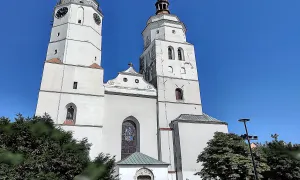
3. Kostel svatého Jiljí (kostel) Continue on to the nearby Church of Saint Giles, a significant religious landmark in the area. Its Gothic interior and historical frescoes attract both locals and visitors from afar. The church offers a peaceful place for meditation and an escape into the past.
4. Zámecký park (park) Conclude your tour at the nearby chateau park, located close to the chateau itself. This park offers beautiful walks among trees and cozy spots for relaxation. It's the perfect place to enjoy nature and tranquility near the historical setting of the chateau.
This route offers a combination of history, architecture, and nature, making Zámek Slezské Pavlovice and its surroundings an ideal spot for a full-day outing.
Seasonal recommendations
Spring: Visiting Zámek Slezské Pavlovice during spring offers a unique experience as the castle grounds come alive with blooming flowers and lush greenery, creating a picturesque setting that enhances its historical charm. The soft, gentle light of spring mornings casts a serene glow over the architecture, while mild temperatures make for pleasant strolls through the gardens. This is an ideal time to explore at a leisurely pace before the summer crowds arrive. Visitors should dress in layers to accommodate the variable weather and consider arriving early to fully enjoy the blooming landscapes without interruption.
Summer: The castle shines under the bright summer sun, with its vibrant colors accentuated by long daylight hours, making it perfect for photography enthusiasts. Summer is also when the castle hosts various cultural events that add a lively atmosphere to your visit. However, this season sees the highest visitor numbers, so arriving early in the morning or later in the afternoon can help avoid large crowds. Comfortable walking shoes and light clothing are recommended due to the warm weather, and carrying water is advisable for hydration during your exploration.
Autumn: Autumn at Zámek Slezské Pavlovice offers a dramatic transformation of the landscape as the foliage turns into rich hues of red, orange, and gold, providing a stunning backdrop for photography. The cooler temperatures make it an ideal time to explore without the summer heat, and the visitor numbers are generally lower than in peak season. This is a great opportunity to enjoy guided tours or outdoor activities that take advantage of the pleasant weather. Dressing warmly in layers will ensure comfort as the days get shorter and cooler.
Winter: The castle takes on a magical quality during winter, with snow-covered grounds creating a fairy-tale-like atmosphere. While some areas may be less accessible due to snow, others offer unique views not seen at other times of the year. Winter is also when visitor numbers are at their lowest, allowing for a more intimate experience. However, it's important to note that opening hours might be reduced during this season. Visitors should dress warmly in layers and wear sturdy boots suitable for potentially slippery conditions, ensuring a comfortable visit while enjoying the serene winter landscape.
Visualizations and artistic views

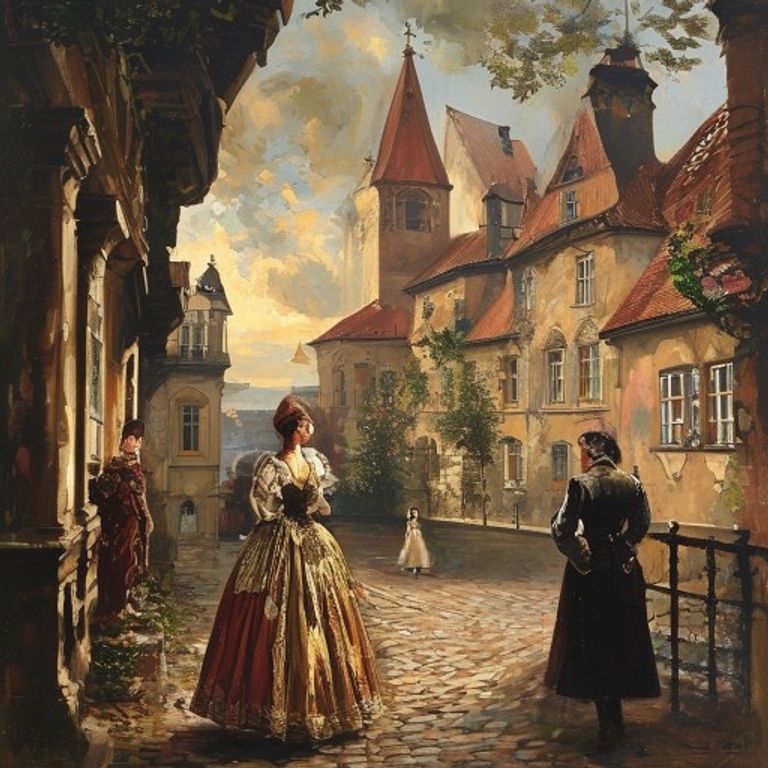
Vizualizace jsou generovány umělou inteligencí a slouží jako inspirace.


Tips from visitors
No tips yet. Be the first!
Log in and add your tip.
Location on the map

Příběhy a pověsti
Legendy, pověsti a příběhy spjaté s touto památkou
Reviews and comments