






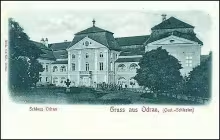
Zámek Odry stands as a testament to Czech history, located in Odry within the Moravskoslezský kraj region. Originally built in the late 14th century by Petr ze Šternberka, this monument evolved from a medieval castle into a Baroque-style chateau. Its strategic position on the Odra River's right bank and at the northeastern corner of town fortifications highlights its historical importance. Over centuries, Zámek Odry experienced numerous ownership changes among noble families and played pivotal roles during events like the Hussite Wars.
The origins of Zámek Odry trace back to 1380 when Petr ze Šternberka commissioned its construction. Initially serving as a defensive stronghold, it was strategically positioned at the northeastern corner of town fortifications, utilizing natural terrain for protection. The castle's early history is marked by its transition from a medieval fortress into a Renaissance chateau before undergoing significant architectural transformations in the Baroque period under František Leopold Lichnovský between 1730 and 1736.
Architecturally, Zámek Odry reflects styles that mirror its tumultuous past. The original medieval structure was transformed into a Renaissance chateau, which later underwent comprehensive remodeling in the Baroque style. This period saw the construction of a U-shaped building with a mansard roof, enhancing its grandeur through an oriel and arcades. Notably, the castle's chapel dedicated to the Annunciation, completed in 1734, stands as a testament to artistic endeavors during this era.
Throughout its history, Zámek Odry has seen a succession of owners that have shaped its destiny. Initially under Petr ze Šternberka, it later came into possession of various noble families including the Rytířský rod z Ludéřova, Bratři Jan and Václav z Fulštejna, Hynk starší ze Zvole, and the Rod Werdenberků. The castle's ownership eventually passed to František Leopold Lichnovský, under whose direction it underwent its Baroque transformation. Following a period of military use as a hospital in 1809 under Maria Terezie Schlabrendorfové, it was later owned by the Rod Potockich before being handed over to Czechoslovakia after World War II.
Zámek Odry's historical narrative is punctuated by key events that underscore its significance. The castle was occupied by Hussites in 1427, a testament to its strategic importance during the Hussite Wars. Its transformation into a Baroque chateau under František Leopold Lichnovský marks another pivotal moment, reflecting broader architectural and cultural shifts of the era.
Today, Zámek Odry stands as a monument accessible for public visitation, offering insights into its storied past. The castle is surrounded by an English-style park featuring classical sculpture replicas, adding to its allure as a historical site. Its rich history, marked by architectural evolution and significant ownership changes, makes it a compelling destination for those interested in exploring Czech heritage.
Zámek Odry invites visitors to delve into its layers of history, from its origins as a medieval stronghold to its transformation into a Baroque masterpiece. It stands not only as a monument to the past but also as a testament to the enduring legacy of architectural and cultural evolution in the heart of Europe.
Historical milestones
- 1380
- Construction of the original castle by Petr ze Šternberka.
- 1427
- Occupation by Hussites.
- 1736
- Completion of Baroque reconstruction.
Architectural development
The original medieval castle was transformed into a Renaissance chateau before being remodeled in the Baroque style. The transformation involved significant architectural changes, including the construction of a U-shaped building with a mansard roof under František Leopold Lichnovský's direction. This period also saw the addition of an oriel and arcades, enhancing its grandeur.
Historical events
Occupation by Hussites in 1427, lasting until 1433.
Baroque reconstruction led by František Leopold Lichnovský between 1730 and 1736.
Owners
Petr ze Šternberka (1380s)
Rytířský rod z Ludéřova (1446-1519)
Bratři Jan a Václav z Fulštejna (1519-1535)
Hynk starší ze Zvole (1535-1612)
Rod Werdenberků (1642-1716)
František Leopold Lichnovský z Voštic (1716-1792)
Maria Terezie Schlabrendorfové (1792-1809)
Rod Potockich (post-1809)
Points of interest
- Despite its grandeur today, Zámek Odry was occupied by Hussites in 1427 during the tumultuous Hussite Wars, highlighting its strategic military importance.
- The castle's chapel dedicated to the Annunciation, completed in 1734, is a notable example of Baroque artistry and reflects the cultural shifts during František Leopold Lichnovský’s ownership.
- In an unusual twist of history, Zámek Odry served as a hospital in 1809 under Maria Terezie Schlabrendorfové, showcasing its adaptability beyond traditional noble use.
Guide
Show guide text
Welcome to the historic Zámek Odry, a remarkable testament to centuries of architectural evolution and historical significance. As you stand before this majestic structure on the right bank of the Odra River, take a moment to absorb its grandeur. The castle's imposing presence is enhanced by its strategic location at the northeastern corner of the town fortifications, offering panoramic views that have captivated visitors for generations.
The origins of Zámek Odry date back to the late 14th century when it was constructed by Petr ze Šternberka. Initially built as a defensive stronghold, this castle has witnessed numerous transformations over the centuries. In 1427, during the tumultuous Hussite Wars, it found itself occupied by the Hussites, underscoring its strategic military importance at that time.
As you wander through the grounds, notice how the architectural style of Zámek Odry has evolved from a medieval fortress to a Renaissance-style chateau and finally into the Baroque elegance we see today. The castle's transformation was significantly influenced in 1736 when it underwent a comprehensive Baroque reconstruction, possibly under the guidance of architect J. L. Hildebrandt.
One cannot help but be drawn to the chapel dedicated to the Annunciation within the castle grounds. Completed in 1734, this chapel stands as a testament to the exquisite artistry and cultural significance of the Baroque period. Its intricate details invite you to pause and appreciate the craftsmanship that has withstood the test of time.
Throughout its history, Zámek Odry has been intertwined with numerous notable figures and events. From Petr ze Šternberka, who laid its foundations, to the Vévodové Přemek a Václav, each played a role in shaping the castle's destiny. The Husitský rod z Ludéřova, Bratři Jan a Václav z Fulštejna, and many others have left their mark on this site, weaving a rich tapestry of stories that echo through its halls.
An intriguing aspect of Zámek Odry is its resilience and ability to adapt over time. Despite the challenges it faced, including occupation by the Hussites, it has emerged as a symbol of cultural heritage and architectural beauty. This castle not only tells the story of its own survival but also reflects broader historical narratives that have shaped this region.
As we conclude our tour, I invite you to continue exploring Zámek Odry at your leisure. Let your curiosity guide you through its corridors and courtyards, where each corner holds a piece of history waiting to be discovered. Thank you for joining me on this journey through time, and may the stories of Zámek Odry inspire you long after today's visit. Safe travels as you continue to explore the wonders that await in Moravskoslezský kraj.
Businesses nearby
Do you run a restaurant, accommodation, shop, museum, rental, wellness or other visitor service near this monument? Show yourself directly to the people heading to it — this is how they will see you in the app and on the web:
Nearby
Zámek Odry is surrounded by an English-style park featuring classical sculpture replicas. The area includes natural features and other historical sites within a five-kilometer radius.
Accommodation nearby
Themed route
Thematic Tour Itinerary: Zámek Odry and Surroundings
1. Zámek Odry (Castle) - *Type:* Historical Castle - *Why Visit:* Begin your journey at the majestic Zámek Odry, a stunning example of architectural evolution from medieval fortifications to an elegant baroque residence. The castle's rich history is complemented by its beautifully preserved interiors and art collections, offering insights into the region's cultural heritage.
2. English-Style Park - *Type:* Historical Garden - *Why Visit:* Just a short walk from Zámek Odry, this picturesque English-style park encircles the castle with lush greenery and classical sculpture replicas. It provides a serene environment for leisurely strolls while appreciating the harmonious blend of natural beauty and artistic elements.
3. Classical Sculpture Replicas - *Type:* Art Installations - *Why Visit:* Within the park, explore the array of classical sculpture replicas that enhance the area's aesthetic appeal. These installations offer a glimpse into classical art forms, making them an intriguing stop for art enthusiasts and history buffs alike.
4. Natural Features in the Park - *Type:* Natural Landscapes - *Why Visit:* The park is not only home to sculptures but also features beautifully landscaped natural elements such as ponds and wooded areas. These spots provide a tranquil escape, perfect for picnics or simply enjoying the peaceful ambiance of nature intertwined with historical charm.
This itinerary offers a comprehensive experience of Zámek Odry and its immediate surroundings, combining history, art, and nature in a cohesive exploration.
Seasonal recommendations
Spring: Visiting Zámek Odry during the spring offers a unique experience with its lush greenery and blooming gardens, creating an enchanting atmosphere as nature awakens. The soft light of early morning or late afternoon enhances the beauty of the castle's architecture against the vibrant backdrop of fresh flora. While the weather can be unpredictable, visitors are advised to wear layers that can be easily adjusted for changing conditions. Early visits are recommended to avoid larger crowds, especially on weekends when locals and tourists alike enjoy the rejuvenating spring air.
Summer: The summer months at Zámek Odry are characterized by long days filled with warm sunshine, ideal for exploring both the castle's interiors and its expansive gardens. This is the peak season, so expect higher visitor numbers; arriving early in the day can help avoid the busiest times. Comfortable walking shoes and light clothing are recommended to stay cool under the summer sun. The castle often hosts various outdoor events during this time, providing a lively backdrop for your visit.
Autumn: Autumn at Zámek Odry is marked by stunning foliage as the leaves turn vibrant shades of red, orange, and yellow. This season offers a picturesque setting with softer light that beautifully complements the historic architecture. The cooler temperatures make it an ideal time to explore without the summer heat, though visitors should be prepared for occasional rain showers. Layered clothing is advisable, along with comfortable footwear for walking through potentially muddy paths.
Winter: Winter transforms Zámek Odry into a serene and magical destination under blankets of snow, offering a stark yet beautiful contrast against its historic structures. The shorter days mean the castle closes earlier, so plan to visit during daylight hours to make the most of your time. Visitors should dress warmly in insulated layers and wear waterproof boots to navigate snowy paths comfortably. Despite fewer visitors compared to other seasons, the castle's charm is enhanced by the quiet, winter atmosphere.
Visualizations and artistic views

Vizualizace jsou generovány umělou inteligencí a slouží jako inspirace.


Tips from visitors
No tips yet. Be the first!
Log in and add your tip.




Reviews and comments