





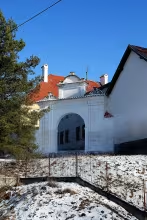
Zámek Hněvkovice is a cultural monument near Týn nad Vltavou in the Jihočeský kraj region of the Czech Republic. Originally built as a Renaissance chateau by Jeroným Hozlauer z Hozlau in 1584, it was later transformed into a Baroque castle under Jan Bedřich z Valdštejna's direction. The site is notable for its historical significance and architectural evolution from Renaissance to Baroque styles, as well as the high-quality Renaissance frescoes discovered during renovations.
The origins of Zámek Hněvkovice date back to 1584 when Jeroným Hozlauer z Hozlau constructed a Renaissance chateau adorned with sgraffiti and frescoes. The castle's history is linked to Bohemia's political and religious upheavals, including the rise of Protestantism and the subsequent Bohemian Revolt against Habsburg rule. In 1621, following Hozlauer’s involvement in the revolt, imperial forces seized the chateau, which was later transferred to Jan Častolár z Dlouhé Vsi as compensation for a war loan. It then became part of the Prague Archbishop's holdings under Jan Lohelius before being transformed into a Baroque castle by Archbishop Jan Bedřich z Valdštejna in the early 18th century.
Architecturally, Zámek Hněvkovice began as a Renaissance chateau with an oblong ground plan and retained its original layout during its transformation. The building features a single-story structure and gabled roof. Notably, high-quality Renaissance frescoes were discovered in the main hall during renovations. Additionally, a terracotta coat of arms of Archbishop Jan Bedřich z Valdštejna adorns the entrance above the doorway.
Throughout its history, Zámek Hněvkovice has had various owners and served multiple purposes. After becoming a Baroque castle, it functioned as an administrative center for the Vltavotýnské arcibiskupské panství until 1699 when the Vltavotýnský zámek was constructed. During a plague epidemic in Prague from 1713 to 1714, the castle housed the St. Vitus Chapter. Later, it served as an agricultural estate and administrative center for nearby forests before becoming an educational institution in the mid-20th century.
Today, Zámek Hněvkovice is home to a secondary school and vocational training institute. The site remains accessible via a secondary road and cycle path, offering visitors scenic views of the Vltava River from its gentle slope location. Its historical significance, architectural features, and artistic elements make it an intriguing destination for those interested in Czech history and culture.
Zámek Hněvkovice stands as a testament to the region's rich cultural heritage, reflecting both turbulent history and artistic achievements. Visitors are invited to explore this remarkable site, where layers of history converge with educational pursuits, offering a unique glimpse into the past while serving contemporary needs.
Historical milestones
- 1584
- Construction of the Renaissance chateau by Jeroným Hozlauer.
- 1621
- Transfer to Jan Častolár as compensation for a war loan.
- 1713-1714
- Housing of the St. Vitus Chapter during a plague epidemic.
Architectural development
Zámek Hněvkovice began as a Renaissance chateau with decorative sgraffiti and frescoes. After being seized by imperial forces during the Bohemian Revolt, it was later acquired by Jan Častolár z Dlouhé Vsi. The Prague Archbishop Jan Bedřich z Valdštejna commissioned its transformation into a Baroque castle in the early 18th century. Over time, the building served various administrative and educational purposes.
Historical events
1584: Construction of the Renaissance chateau by Jeroným Hozlauer.
1621: The chateau was transferred to Jan Častolár as compensation for a war loan.
1713-1714: During a plague epidemic in Prague, the castle housed the St. Vitus Chapter.
Owners
Jeroným Hozlauer z Hozlau (1584)
Jan Častolár z Dlouhé Vsi (1621)
Prague Archbishop Jan Lohelius (post-1621)
Archbishop Jan Bedřich z Valdštejna (Baroque transformation)
Points of interest
- During the Bohemian Revolt against Habsburg rule in 1621, Zámek Hněvkovice was seized by imperial forces due to Jeroným Hozlauer z Hozlau's involvement in the uprising. This event highlights its connection to significant political and religious conflicts of the time.
- The castle's transition from a Renaissance chateau to a Baroque castle under Archbishop Jan Bedřich z Valdštejna involved retaining much of the original architectural layout, showcasing an unusual blend of styles that reflects adaptive reuse in historical architecture.
Guide
Show guide text
Welcome to Zámek Hněvkovice, a remarkable cultural monument nestled near Týn nad Vltavou in the Jihočeský kraj region of the Czech Republic. As you stand here today, imagine yourself stepping back into history, surrounded by the aura of centuries-old stories and architectural elegance.
Your eyes are drawn to the castle's oblong structure, a testament to its strategic design. The Renaissance roots of this chateau, established in 1584 by Jeroným Hozlauer z Hozlau, are palpable even as it later embraced Baroque transformations under Jan Bedřich z Valdštejna. Notice the harmonious blend of these styles that have shaped its current form.
Let's delve into its storied past. Originally constructed by Jeroným Hozlauer in 1584, this chateau was more than just a residence; it was a symbol of prestige and power during turbulent times. In 1621, amidst the Bohemian Revolt against Habsburg rule, Zámek Hněvkovice found itself at the heart of political upheaval. Due to Jeroným Hozlauer's involvement in the uprising, imperial forces seized it as a strategic move.
The castle has also witnessed moments of crisis and resilience. Between 1713 and 1714, during a devastating plague epidemic, it served as a refuge for the St. Vitus Chapter, offering shelter and safety to those seeking respite from the chaos outside its walls.
As you wander through this historic site, reflect on the lives that have intersected here: Jeroným Hozlauer, Jan Častolár z Dlouhé Vsi, Jan Lohelius, and Jan Bedřich z Valdštejna. Each left an indelible mark on its legacy.
Now, let your imagination ponder the castle's intriguing past. Consider how it stood witness to both conflict and sanctuary, embodying the complexities of human history in its very stones.
As we conclude this auditory journey, I invite you to explore further, uncover more layers of Zámek Hněvkovice’s rich tapestry. May your visit here inspire curiosity and a deeper appreciation for the narratives that have unfolded within these walls. Thank you for joining me on this exploration; until next time, may history continue to captivate your spirit.
Tips for visitors
The best time to visit Zámek Hněvkovice is during the late spring or early autumn months, when the weather is pleasant and the surrounding nature is particularly vibrant. These seasons offer comfortable temperatures for exploring the castle grounds and enjoying scenic views of the Vltava River without the summer crowds. Additionally, visiting in these periods allows you to experience local festivals and cultural events that may be held nearby.
Parking at Zámek Hněvkovice can be accessed via a secondary road leading up to the site. For those preferring public transportation, there are options available; however, it is advisable to check current routes and schedules in advance using an online search tool or local transit app. The castle's location on a gentle slope makes it accessible for visitors who enjoy cycling, as there is also a cycle path leading to the area.
When planning your visit to Zámek Hněvkovice, consider bringing comfortable walking shoes and weather-appropriate clothing, especially if you plan to explore the surrounding areas. A camera or smartphone with a good camera will be useful for capturing the picturesque views of the Vltava River and the castle itself. Additionally, carrying water and snacks can enhance your visit, particularly on warmer days.
For photography enthusiasts, Zámek Hněvkovice offers several excellent spots to capture its beauty. The best light is typically during the golden hours—shortly after sunrise or before sunset—when the sunlight enhances the textures of the castle's architecture and the landscape. Positioning yourself at higher vantage points on the gentle slope can provide stunning panoramic views, making for memorable photographs.
Nearby attractions within a 30-minute drive include other cultural sites in Týn nad Vltavou, which offer additional historical insights and scenic beauty. These nearby locations complement your visit to Zámek Hněvkovice by providing more context about the region's rich history and culture. Exploring these areas can make for a fulfilling day trip.
For families with children visiting Zámek Hněvkovice, there are several tips to ensure an enjoyable experience. The castle grounds offer ample space for kids to explore safely. Bringing along games or activities that engage their interest in history and architecture can enhance the visit. Additionally, checking if any family-friendly events or guided tours are available during your visit could provide educational fun for children.
Businesses nearby
Do you run a restaurant, accommodation, shop, museum, rental, wellness or other visitor service near this monument? Show yourself directly to the people heading to it — this is how they will see you in the app and on the web:
Nearby
Zámek Hněvkovice is situated on a gentle slope overlooking the Vltava River, with access via a secondary road and cycle path. The area offers scenic views and proximity to other cultural sites in Týn nad Vltavou.
Accommodation nearby
Trips and activities nearby
Guided tours, tickets and activities nearby from GetYourGuide
Search tours and activities →Themed route
Thematic Vltava River Scenic and Cultural Trail
1. Zámek Hněvkovice (Castle) - Begin your journey at the enchanting Zámek Hněvkovice, a stunning Renaissance castle perched on a gentle slope overlooking the Vltava River. This historic site offers visitors a glimpse into its rich past through beautifully preserved architecture and art collections. The castle's scenic location provides breathtaking views of the river, making it an ideal starting point for exploring the cultural heritage of Týn nad Vltavou.
2. Cultural Sites in Týn nad Vltavou - After soaking in the beauty of Zámek Hněvkovice, continue your exploration by visiting other cultural sites within Týn nad Vltavou. The town, with its charming streets and historical architecture, offers a variety of attractions that reflect its rich history and vibrant community life. These sites provide an excellent opportunity to delve deeper into the local culture and traditions.
3. Cycle Path Along the Vltava River - Follow the cycle path along the Vltava River for a leisurely ride or walk through picturesque landscapes. This route offers serene views of the river's gentle flow, surrounded by lush greenery and occasional glimpses of historical landmarks. The path is perfect for those who wish to enjoy nature while appreciating the scenic beauty that complements the cultural richness of the region.
4. Secondary Road Access - Utilize the secondary road access to explore different vantage points along your route. This road provides convenient connectivity between various sites and offers unique perspectives of the surrounding landscape. As you travel, take in the tranquil atmosphere and consider stopping at viewpoints that offer panoramic views of the Vltava River and its surroundings.
5. Scenic Views from Zámek Hněvkovice - Conclude your journey by returning to the scenic spots around Zámek Hněvkovice. Spend some time enjoying the stunning vistas from different parts of the castle grounds, reflecting on the cultural and natural beauty you've experienced throughout the day. The combination of historical significance and natural splendor makes this area a perfect endnote for your thematic exploration.
This trail offers a harmonious blend of history, culture, and nature, providing an enriching experience for visitors to Týn nad Vltavou and its environs.
```Seasonal recommendations
Spring: Visiting Zámek Hněvkovice in spring offers a picturesque setting as the surrounding landscape bursts into vibrant colors with blooming wildflowers and fresh greenery, creating an idyllic atmosphere perfect for leisurely strolls. The gentle warmth of the season often brings out local wildlife, adding to the serene charm of the area. Visitors should consider wearing comfortable layers, as temperatures can fluctuate between cool mornings and warmer afternoons. Early morning visits are recommended to avoid larger crowds that may gather later in the day.
Summer: During summer, Zámek Hněvkovice is bathed in long daylight hours, enhancing its majestic architecture with a golden glow while providing ample time for exploration. The lush gardens surrounding the castle come alive, offering a delightful backdrop for picnics or photography enthusiasts. This season attracts more visitors, so it's advisable to arrive early to enjoy a quieter experience and avoid peak times. Light, breathable clothing is recommended due to the warmer temperatures.
Autumn: Autumn at Zámek Hněvkovice transforms the landscape into a tapestry of reds, oranges, and yellows as deciduous trees shed their leaves, creating a stunning visual spectacle. The cooler weather makes for comfortable walking tours around the castle grounds, which are less crowded than in summer months. Visitors should dress warmly and consider bringing a light jacket or sweater to accommodate the crisp air, especially during early mornings and evenings.
Winter: Winter at Zámek Hněvkovice offers a unique charm with snow-dusted landscapes that lend an enchanting quality to its historic architecture. The shorter days mean visiting hours are reduced, so planning your visit in advance is crucial to make the most of your time. The castle often exudes a quieter atmosphere during this season, ideal for those seeking a more tranquil experience. Warm clothing, including hats and gloves, is essential to stay comfortable while exploring the grounds in colder temperatures.
Visualizations and artistic views

Vizualizace jsou generovány umělou inteligencí a slouží jako inspirace.


Tips from visitors
No tips yet. Be the first!
Log in and add your tip.

Reviews and comments