




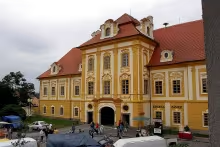
Borovanský Zámek stands as a testament to Borovany's rich history in Jihočeský kraj. Originally founded as an Augustinian canons' monastery by Petr z Lindy in 1455, it evolved into a Baroque-style castle under Jan ze Schwarzenbergu in 1787. Today, it is recognized as a cultural monument, reflecting its significant historical and architectural transformations over the centuries.
The origins of Borovanský Zámek trace back to the mid-15th century when Petr z Lindy, elevated from servitude to nobility, established an Augustinian canons' monastery in 1455. This decision followed personal tragedy—the death of his only son—and was supported by King Ladislav Pohrobek and confirmed by Pope Pius II. Completed around 1461, the construction featured a black and gold chequered shield with a green lime branch as its emblem, symbolizing the Lindův erb. The monastery was strategically located near Borovany's parish church of Navštívení Panny Marie, surrounded by lands including villages, forests, and ponds that underscored its economic significance.
Architecturally, the original structure embodied characteristics typical of an Augustinian canons' monastery from that era. However, it underwent a significant transformation in the late 18th century when Jan ze Schwarzenbergu acquired the site. The Schwarzenberg family converted the monastic buildings into a Baroque-style castle, which served as their summer residence. This period marked a shift not only in architectural style but also in function and ownership of the estate.
Throughout its history, Borovanský Zámek experienced various changes in fortune. After an initial period of prosperity, the monastery faced decline due to debts, conflicts with neighboring nobility, and the spread of Protestantism. By the mid-16th century, internal disputes further weakened the institution until Vilém z Rožmberka dissolved it in 1564. The site remained largely abandoned until the early 17th century when efforts were made to revive the monastery under Emperor Ferdinand III. However, it was ultimately secularized by a decree from Emperor Joseph II in 1785, leading to its transformation into a castle.
The 20th century brought new challenges and opportunities for Borovanský Zámek. During the land reforms of the 1920s, there were plans to parcel out and sell the Schwarzenberg estate, attracting interest from various parties. Despite these changes, the castle remained well-maintained, preserving its historical integrity.
Today, Borovanský Zámek is a cultural monument located in the heart of Borovany, surrounded by streets such as Nádražní, Petra z Lindy, and Žižkové náměstí. Visitors can explore this site to appreciate its architectural evolution from a medieval monastery to a Baroque castle. Its historical significance and preserved state make it a worthwhile destination for those interested in the cultural heritage of the Czech Republic.
Borovanský Zámek offers a unique glimpse into the past, showcasing the dynamic history of religious and noble influences in Bohemia. It stands as a reminder of the region's rich cultural legacy, inviting visitors to explore its storied walls and appreciate its enduring beauty.
Historical milestones
- 1455
- Petr z Lindy založil augustiniánský kanovnický klášter.
- 1461
- Dokončení stavby kláštera s erbem Lindův.
- 1564
- Vilém z Rožmberka rozpustil klášter.
- 1785
- Emperor Joseph II sekularizoval klášterní pozemky.
- 1787
- Jan ze Schwarzenbergu převedl objekt na barokní zámek.
Architectural development
The original structure was an Augustinian canons' monastery, completed around 1461. It underwent significant changes when it was transformed into a Baroque-style castle by the Schwarzenberg family in the late 18th century.
Historical events
Foundation of the Augustinian canons' monastery in 1455 by Petr z Lindy.
Transformation into a castle by Jan ze Schwarzenbergu in 1787.
Owners
Founded by Petr z Lindy in 1455
Acquired by Jan ze Schwarzenbergu in 1787
Points of interest
- Borovanský Zámek's emblem features a black and gold chequered shield with a green lime branch, symbolizing Petr z Lindy’s family crest, the Lindův erb. This unique heraldic design reflects both personal history and monastic identity.
- The monastery was founded following the death of Petr z Lindy's only son, leading him to seek spiritual solace by establishing an Augustinian canons' monastery in 1455. His decision was supported by King Ladislav Pohrobek and Pope Pius II, highlighting its significance at that time.
Guide
Show guide text
Welcome to the historic Borovanský zámek in Borovany, Jihočeský kraj. As you stand here, imagine yourself stepping back through time into a place rich with history and transformation. The grandeur of this site unfolds before your eyes, inviting you on a journey that spans centuries.
The story of Borovanský zámek begins in 1455 when Petr z Lindy founded an Augustinian canons' monastery here. This was a period marked by spiritual devotion and architectural ambition. As you gaze upon the structure, envision its early days as a monastic haven under Petr's guidance, with the emblem of the Lindův erb—a black and gold chequered shield adorned with a green lime branch—symbolizing both personal heritage and monastic identity.
The monastery was completed in 1461, featuring this distinctive emblem prominently. It stood for decades until 1564 when Vilém z Rožmberka dissolved it, reflecting the shifting tides of religious and political influence during that era.
Fast forward to the late 18th century, a time of significant change across Europe. In 1785, Emperor Joseph II secularized monastic lands, setting the stage for transformation. By 1787, Jan ze Schwarzenbergu acquired the site, converting it into a baroque castle. This marked its evolution from a place of religious reflection to a summer residence for the influential Schwarzenberg family.
As you explore, notice how this transition is reflected in the architecture. The grandeur and elegance characteristic of Baroque design are evident here, though specific architectural details remain shrouded in history due to the anonymity of its architects. Yet, the essence of its transformation from monastery to castle can be felt as you wander through its spaces.
Several historical figures have left their mark on this place. Petr z Lindy's vision laid the foundation for what would become a significant landmark. Later, Jan ze Schwarzenbergu played a pivotal role in reshaping it into the baroque masterpiece we see today. These individuals, among others, are woven into the fabric of Borovanský zámek's history.
One intriguing aspect that captures the imagination is the emblem featuring the Lindův erb. This symbol not only represents Petr z Lindy’s family but also serves as a reminder of the monastery's origins and its enduring legacy.
As you continue your exploration, let your curiosity guide you through this remarkable site. Each corner holds stories waiting to be discovered, inviting you to delve deeper into its past. Whether it's the architectural nuances or the historical narratives that fascinate you, Borovanský zámek offers a rich tapestry of experiences.
Thank you for joining us on this journey through time at Borovanský zámek. We hope you leave with a newfound appreciation for its history and beauty. As you venture further into Borovany or beyond, may the stories and insights from this place inspire your next adventure. Safe travels!
Tips for visitors
The best time to visit Borovanský zámek is during the late spring or early autumn months, when the weather is pleasant for exploring both indoors and outdoors. These seasons offer mild temperatures and beautiful natural surroundings, enhancing your experience as you walk through the castle's historic grounds. Additionally, visiting during these times often means fewer crowds, allowing for a more relaxed exploration of the Baroque architecture and gardens.
Parking and transportation to Borovanský zámek are convenient. There is parking available near the castle complex, making it accessible by car. For those preferring public transport, you can reach Borovany using regional bus services; however, it's advisable to check current schedules online for the most accurate information. The castle’s central location in Borovany makes it easy to walk from nearby streets such as Nádražní and Žižkové náměstí.
When planning your visit, consider bringing comfortable walking shoes, a hat, sunscreen, and water, especially if you plan to explore the gardens or spend time outdoors. The castle grounds can be extensive, so being prepared for a day of exploration is wise. Additionally, carrying a camera or smartphone will allow you to capture the stunning architecture and scenic views.
For photography enthusiasts, Borovanský zámek offers several picturesque spots. Early morning light provides soft illumination perfect for capturing the intricate details of the Baroque façade. The gardens offer vibrant colors in bloom during spring and summer, ideal for landscape shots. Inside the castle, the grand hallways and historic rooms are well-lit, making them excellent subjects for interior photography.
Nearby attractions within a 30-minute drive include other historical sites such as the medieval town of Český Krumlov, known for its well-preserved architecture and scenic river views. For families with children, consider visiting local parks or interactive museums in nearby towns to complement your cultural experience at Borovanský zámek.
Businesses nearby
Do you run a restaurant, accommodation, shop, museum, rental, wellness or other visitor service near this monument? Show yourself directly to the people heading to it — this is how they will see you in the app and on the web:
Nearby
Borovanský zámek is situated in the heart of Borovany, surrounded by streets Nádražní, Petra z Lindy, and Žižkové náměstí. The area features a Baroque castle complex protected as a cultural monument.
Accommodation nearby
Trips and activities nearby
Guided tours, tickets and activities nearby from GetYourGuide
Search tours and activities →Themed route
Tematická výletní trasa zámek Borovany
1. Borovanský zámek - *Typ:* Historické místo, kulturní památka - *Proč stojí za návštěvu:* Borovanský zámek je krásným příkladem barokní architektury s bohatou historií. Navštivte toto chráněné kulturní památky a oceněte jeho elegantní stavby, včetně panského domu a zahrady.
2. Nádražní třída - *Typ:* Historická ulice - *Proč stojí za návštěvu:* Procházka po Nádražní třídě vám umožní prozkoumat historické architektonické prvky a atmosféru města. Tato ulice je součástí oblasti kolem zámku, která nabízí pohled na klasický ruský životní styl.
3. Petra z Lindy třída - *Typ:* Historická ulice - *Proč stojí za návštěvu:* Tato ulice je pojmenována po významné osobnosti a nabízí pohled na historické budovy, které dodávají oblasti kolem zámku jedinečnou charakteristiku. Prozkoumejte její architektonické prvky a pocítěte ducha minulosti.
4. Žižkové náměstí - *Typ:* Náměstí - *Proč stojí za návštěvu:* Žižkové náměstí je centrem místního života a nabízí klidnou atmosféru pro odpočinek po procházce zámku. Zde si můžete užít pohled na okolní historické budovy a připravit se na další objevy.
Tato trasa vás provede krátkou, ale plnou dojmů cestou kolem Borovanského zámku, kde můžete ocenit jak jeho historický význam, tak i okolní architektonicky zajímavé místa.
Seasonal recommendations
Spring: Spring at Chateau Borovany is a time of renewal, with the landscape coming alive as flowers bloom and trees regain their lush greenery. The soft light of early spring mornings casts a gentle glow over the castle grounds, enhancing its historical charm. Visitors can enjoy serene walks through blooming gardens and meadows filled with wildflowers. It's advisable to bring layers for fluctuating temperatures and comfortable shoes for exploring the revitalized surroundings. While the crowds are still moderate, arriving early in the day is recommended to fully appreciate the tranquil beauty of spring.
Summer: Summer at Chateau Borovany offers vibrant energy as the days lengthen and warm sunshine bathes the castle grounds. The lush gardens are in full bloom, providing a picturesque backdrop for leisurely strolls or picnics amidst nature's splendor. This season is perfect for exploring the castle's rich history with fewer interruptions from inclement weather. However, it is also the peak tourist season, so expect larger crowds and plan to arrive early to secure your spot. Light clothing and sun protection are essential due to the warm temperatures.
Autumn: Autumn transforms Chateau Borovany into a tapestry of warm colors as leaves turn golden and red, creating a stunning visual feast. The cooler air adds a crispness that enhances the castle's majestic atmosphere, making it an ideal time for photography enthusiasts. This season offers fewer visitors compared to summer, allowing for a more intimate experience with the historic site. Visitors should dress in layers to accommodate the changing temperatures throughout the day and consider bringing a light jacket for the chillier afternoons.
Winter: Winter at Chateau Borovany is serene and enchanting, as snow blankets the landscape, adding a magical quality to its historical architecture. The castle takes on an ethereal beauty under the soft winter sunlight or during golden hour, making it a perfect setting for quiet reflection and photography. However, the colder temperatures mean shorter opening hours, so plan your visit accordingly. Warm clothing, including coats, hats, gloves, and sturdy boots, is essential to comfortably explore the grounds. Keep in mind that some outdoor areas may be less accessible due to snow or ice.
Visualizations and artistic views

Vizualizace jsou generovány umělou inteligencí a slouží jako inspirace.

Tips from visitors
No tips yet. Be the first!
Log in and add your tip.

Reviews and comments