






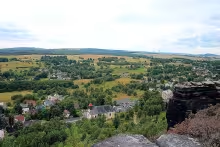
Tisá is a village in the Ústí nad Labem District within the Ústecký Region of the Czech Republic. It is known for its historical significance as a former center for button manufacturing and its natural surroundings. Located near Germany, Tisá sits at the intersection of the Ore Mountains and Děčín Uplands. The village is notable not only for its industrial past but also for its protected natural areas, including the popular Tisá Rocks, favored by rock climbing enthusiasts.
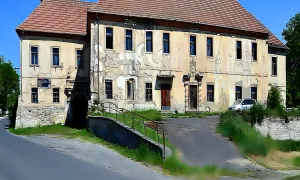
The origins of Tisá date back to around 500 AD when Slavic groups settled in the area. By the 14th century, the Vartenberk family controlled an extensive region around Děčín and built a stronghold named Šenov. Under the Knights of Bünau, significant economic expansion occurred. In the mid-16th century, Günter I developed a castle with various facilities, including a Lutheran church, presbytery, school, and brewery, leading to the village's renaming as Schönstein. However, during the Thirty Years' War in 1631, Croatians and Swedes destroyed the castle and associated structures, diminishing its importance.
From 1783 onwards, Tisá emerged as a center for button manufacturing, employing around 3000 people by the early 20th century. The firm Tyssa became particularly notable during this period, contributing to the village's industrial reputation. Despite lacking railways or major roads through the municipality, Tisá maintained its significance in the button industry until the sector declined.
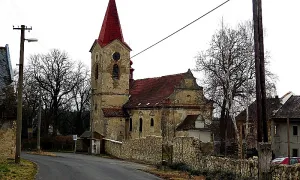
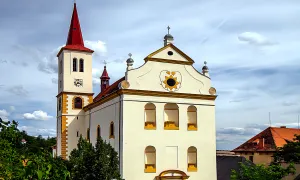
Today, Tisá is characterized by its natural beauty and historical landmarks. The Church of Saint Anne, built in the Baroque style in 1789, stands as a prominent feature of the village. Additionally, the Tisá Rocks, part of the Elbe Sandstone Mountains, offer unique attractions for rock climbing enthusiasts with their 134 climbable rocks ranging from 10 to 50 meters in height.
Visitors can appreciate Tisá's blend of historical and natural attractions. The village's industrial past is reflected in its cultural heritage, while the surrounding landscape provides opportunities for outdoor activities such as rock climbing. The Church of Saint Anne remains a testament to the architectural style of the period, adding to the village's charm.
Tisá offers a unique glimpse into both the historical and natural aspects of the region. Its combination of industrial history and protected landscapes makes it an intriguing destination for those interested in exploring the cultural and environmental heritage of the Czech Republic. Visitors are invited to experience Tisá's tranquility, where history and nature coexist harmoniously.
Historical milestones
- kolem 500
- Osídlení oblasti Slovany.
- 14. století
- Vartenberkové postavili pevnost Šenov.
- střed 16. století
- Günter I vybudoval zámek s různými zařízeními.
- 1631
- Zničení zámku během Třicetileté války.
- 1783
- Tisá se stala centrem výroby knoflíků.
- 1789
- Postavení barokního kostela Panny Marie Sněžné.
Historical events
The first written mention of the village dates back to 1653 as 'Tiesza'.
During the Thirty Years' War in 1631, a castle with an associated manor house was burned down and not rebuilt.
From 1783 onwards, Tisá developed into a center for button manufacturing, employing around 3000 people by the early 20th century.
Points of interest
- Despite its industrial past as a button manufacturing hub, Tisá's economic significance was challenged by the absence of railways or major roads through the village, which limited transportation and expansion opportunities.
- The Knights of Bünau played a crucial role in Tisá’s development during the 16th century, with Günter I building not only a castle but also establishing key community facilities like a Lutheran church, presbytery, school, and brewery, reflecting the era's focus on comprehensive settlement planning.
Guide
Show guide text
Welcome to the enchanting village of Tisá, nestled in the Ústí nad Labem District within the Ústecký Region of the Czech Republic. As you stand here at this historical site, imagine yourself at the crossroads of the Ore Mountains and Děčín Uplands, near the vibrant Czech-German border. The landscape around you whispers tales from centuries past, inviting you to delve into its rich history.
Tisá's story begins around 500 AD when Slavs settled in this area, marking the start of a long journey through time. Fast forward to the 14th century, and we find the Vartenberks building the fortress Šenov here—a testament to the strategic importance of Tisá during medieval times. The village continued to evolve, with Günter I constructing a castle in the mid-16th century, complete with various facilities that would have been essential for its inhabitants.
However, not all was peaceful; by 1631, the Thirty Years' War had left its mark on Tisá, as the castle was destroyed. Yet, resilience is woven into the fabric of this village's history. In 1783, Tisá emerged as a center for button manufacturing, an industry that would define much of its economic identity in the 19th century. The notable firm Tyssa played a significant role during this period, contributing to the village's prosperity.
As you stand here today, take a moment to appreciate the baroque church of Panny Marie Sněžné, constructed in 1789. Its architectural elegance is a reminder of Tisá's cultural and religious heritage. Though the architects remain unknown, their work continues to captivate visitors with its timeless beauty.
Delve into the stories of key figures like the Knights of Bünau, who were instrumental in shaping Tisá during its development. Their influence helped mold the village into a thriving community despite challenges such as the absence of railways or major roads, which limited transportation and expansion opportunities.
Now, let your curiosity lead you to explore further. Wander through the streets that echo with history and imagine the lives of those who once called this place home. As you continue your journey, remember that Tisá is more than just a village; it's a tapestry of stories waiting to be discovered. Thank you for visiting, and may your exploration inspire new insights into this remarkable corner of the world.
Tips for visitors
The best time to visit Tisá is during late spring or early autumn when the weather is mild, making it ideal for exploring both the village and its surrounding natural attractions like Tiské stěny and Rájecká rašeliniště. During these seasons, the landscape is lush and vibrant, offering stunning views that are perfect for nature enthusiasts and photographers alike.
Parking in Tisá can be limited due to its small size, so it's advisable to arrive early or consider using public transportation if available. The village is accessible by car from nearby towns, but always check current road conditions before your trip. For those preferring public transport, verify the latest schedules and routes online prior to departure.
When visiting Tisá, bring comfortable walking shoes as you'll likely explore various trails in the surrounding Ore Mountains and Děčín Uplands. Additionally, pack weather-appropriate clothing since temperatures can vary significantly between seasons. Don't forget a camera or smartphone for capturing the picturesque landscapes of Tiské stěny and Rájecká rašeliniště.
For photography enthusiasts, early morning is often the best time to capture the soft light that enhances the natural beauty of Tisá's surroundings. The rock formations in Tiské stěny provide dramatic backdrops, while the wetlands at Rájecká rašeliniště offer unique opportunities for wildlife and landscape photography.
Families with children will enjoy exploring the nearby nature reserve of Rájecká rašeliniště, which offers educational trails and a chance to observe local flora and fauna. The area is suitable for family walks and picnics, making it an ideal spot for a day out in nature.
Businesses nearby
Do you run a restaurant, accommodation, shop, museum, rental, wellness or other visitor service near this monument? Show yourself directly to the people heading to it — this is how they will see you in the app and on the web:
Nearby
The village is surrounded by the Ore Mountains and Děčín Uplands. Notable natural features include Tiské stěny (a protected landscape area) and Rájecká rašeliniště (a nature reserve).
Accommodation nearby
Trips and activities nearby
Guided tours, tickets and activities nearby from GetYourGuide
Search tours and activities →Themed route
Thematic Tour Itinerary: Tisá and Surroundings
1. Tisá (Sídelní Útvar) - Type: Historical Site - Why Visit: Begin your journey at the heart of Tisá, where the Sídelní Útvar stands as a testament to the region's rich history and cultural heritage. Explore its architectural beauty and learn about the historical significance of this area in the Ore Mountains.
2. Tiské Stěny - Type: Protected Landscape Area - Why Visit: A short drive from Tisá, Tiské Stěny offers breathtaking views and a serene natural environment. This protected landscape is perfect for hiking enthusiasts eager to explore its unique geological formations and enjoy the tranquility of nature.
3. Rájecká Rašeliniště - Type: Nature Reserve - Why Visit: Continuing from Tiské Stěny, visit Rájecká Rašeliniště, a rare peat bog that provides an exceptional opportunity to observe diverse flora and fauna. This nature reserve is ideal for those interested in botany and ecology, offering guided tours to deepen your understanding of this unique ecosystem.
4. Ore Mountains (Krušné Hory) - Type: Mountain Range - Why Visit: Conclude your tour with a visit to the majestic Ore Mountains that envelop Tisá. Whether you choose to hike or simply enjoy panoramic views, these mountains offer stunning landscapes and a chance to reflect on the natural beauty surrounding this historic village.
This itinerary provides a comprehensive exploration of Tisá's historical and natural attractions, ensuring an enriching experience for history buffs and nature lovers alike.
Seasonal recommendations
Spring: Visiting Tisá during the spring offers a unique opportunity to witness nature's revival as cherry blossoms and other flora begin to bloom, creating a picturesque setting around the historical site. The soft, diffused light of this season enhances the natural beauty surrounding the settlement complex, providing an ideal backdrop for photography enthusiasts. Visitors should be prepared for potentially unpredictable weather, including rain showers, so bringing a waterproof jacket is advisable. As temperatures start to rise but can still be cool in the mornings and evenings, layering clothing will ensure comfort throughout your visit.
Summer: The summer months at Tisá are characterized by vibrant greenery and long daylight hours, making it an excellent time for exploring the historical site's open spaces. This is also the peak tourist season, so arriving early can help avoid larger crowds and provide a more serene experience. With warm temperatures, light clothing is recommended, along with sun protection such as hats, sunglasses, and sunscreen to enjoy your visit comfortably under the bright summer sun.
Autumn: Autumn brings a spectacular transformation of the landscape around Tisá, with rich hues of red, orange, and gold adorning the trees. This season offers a quieter atmosphere compared to the bustling summer months, allowing for a more intimate exploration of the site's historical features. Cooler temperatures make it an ideal time for walking tours, but visitors should still dress in layers to accommodate fluctuating weather conditions. The softer light of late afternoon can provide stunning photographic opportunities as the day winds down.
Winter: Winter at Tisá presents a serene and somewhat mystical experience, with snow-covered landscapes adding a unique charm to the historical site. While some areas may be less accessible due to snow or shorter opening hours, the quietude offers a peaceful setting for reflection and appreciation of the architecture against the stark winter backdrop. Visitors should dress warmly in insulated clothing, wear waterproof boots, and bring gloves and hats to protect against cold winds. The limited daylight means planning your visit during midday can maximize time spent exploring the site's features.
Visualizations and artistic views

Vizualizace jsou generovány umělou inteligencí a slouží jako inspirace.


Tips from visitors
No tips yet. Be the first!
Log in and add your tip.



Reviews and comments