






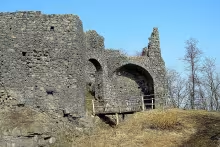
Šumburk is a captivating historical monument located in the Czech Republic, specifically within the village of Šumná, near Klášterec nad Ohří. This Gothic castle ruin stands on an isolated hilltop approximately 540 meters above sea level and dates back to the early 15th century. Its strategic positioning was intended for defense against artillery attacks, highlighting its historical significance. Today, it is recognized as a cultural heritage site, protected since 1963.
The origins of Šumburk trace back to the first half of the 15th century when Ales and Vilém ze Šumburka founded the castle. Building on an isolated hilltop was strategic, providing natural defense against increasingly prevalent artillery attacks during this period. This era in Bohemia saw significant political and military activity, including the Hussite Wars under King Sigismund of the Holy Roman Empire.
Architecturally, Šumburk featured a large donjon surrounded by three square towers, though these structures were not particularly effective for active defense. The castle's design included a moat cut into the rock, later fortified with walls and two gatehouses in subsequent phases. This architectural style reflects the defensive priorities of its time.
Ownership of Šumburk changed hands several times throughout history. Initially held by Ales and Vilém ze Šumburka, it was sold to Vilém z Illburka in 1449. The castle later became part of the Fictumové family's holdings after being transferred through various transactions involving notable families such as the Kaufunkovi and Rýzmburk. By 1512, King Vladislav Jagellonský granted the estate to the Fictumové family in hereditary ownership.
Key events at Šumburk include its strategic capture by Vilém z Illburka in 1443 when he deceitfully took control of Vend's castle Egerberk. Another notable moment was in 1512, when King Vladislav Jagellonský granted the estate to the Fictumové family in hereditary ownership. Despite its strategic importance, Šumburk fell into disrepair after a fire in the mid-16th century and ceased to be inhabited.
Today, Šumburk stands as a ruin, offering visitors a glimpse into its storied past. The site is accessible for those interested in exploring historical architecture and understanding Bohemia's complex history during the 15th and 16th centuries. Its preservation as a cultural heritage site underscores its importance and invites visitors to reflect on the layers of history embedded within its walls. For history enthusiasts, Šumburk provides an opportunity to connect with the past in a tangible way, making it a worthwhile destination for those exploring the Czech Republic's rich historical landscape.
Historical milestones
- 1431
- Ales and Vilém ze Šumburka divided the Perštejn estate.
- 1443
- Vilém z Illburka captured Vend's castle Egerberk through deceit.
- 1512
- King Vladislav Jagellonský granted the estate to the Fictumové family in hereditary ownership.
Architectural development
Šumburk was initially constructed with a large donjon surrounded by three square towers, though these were not particularly effective for active defense. The castle featured a moat cut into the rock and later fortified with walls and two gatehouses in subsequent phases.
Historical events
1431: Ales and Vilém ze Šumburka divided the Perštejn estate, with Vilém acquiring land including Klášterec nad Ohří.
1443: Vilém z Illburka captured Vend's castle Egerberk through deceit.
1512: King Vladislav Jagellonský granted the estate to the Fictumové family in hereditary ownership.
Owners
1430: Ales and Vilém ze Šumburka
1449: Vilém z Illburka
1453: Ondřej Kaufunek z Kaufunu, Oplovi, Bozo a Bernartovi z Fictumu
1486: Felix z Fictumu
1512: Jiří, Hanuš, Volf and Opl z Fictumu
1543: Hanuš, Arnošt, Jiří, Hugo and Volf ze Šumburka na Glouchově a Waldenburku
1559: Petr Boryň ze Lhoty na Nezabylicích
Points of interest
- The castle of Šumburk was originally built by Ales and Vilém ze Šumburka in the early 15th century, during a period marked by the Hussite Wars, which were significant religious and political conflicts in Bohemia.
- Despite its strategic location for defense against artillery attacks, the design of Šumburk with its large donjon and three square towers proved not particularly effective for active military defense, reflecting the evolving nature of warfare at the time.
Guide
Show guide text
Welcome to the historic site of Šumburk, a captivating ruin nestled in the heart of the Czech Republic. As you stand here on this isolated hilltop, surrounded by the serene landscape of Šumná, imagine the grandeur that once stood before your eyes. The remnants of this Gothic castle whisper tales from centuries past, inviting you to explore its storied history.
Šumburk was constructed in the early 15th century by Ales and Vilém ze Šumburka, during a tumultuous period marked by the Hussite Wars—a series of religious and political conflicts that shaped Bohemia. This strategic location, perched high above the surrounding terrain, was designed to withstand artillery attacks, reflecting both its defensive purpose and architectural ingenuity.
As you wander through the site, take in the atmospheric remnants of what once must have been a formidable fortress. Notice how the ruins tell their own story, with crumbling walls that hint at the castle's former strength and resilience. The absence of specific architectural details allows your imagination to fill in the gaps, envisioning the life that once thrived within these stone confines.
Throughout its history, Šumburk changed hands among several notable families, each leaving their mark on this historic site. In 1431, Ales and Vilém ze Šumburka divided the Perštejn estate, setting the stage for future developments. The castle's narrative continued to evolve when, in 1443, Vend z Illburka deceitfully captured Vend's castle Egerberk. Later, in 1512, King Vladislav Jagellonský granted the estate to the Fictumové family in hereditary ownership, further entwining Šumburk with the region's noble lineage.
Among the many historical figures connected to this site are Ales and Vilém ze Šumburka, the original builders; Vend z Illburka, known for his cunning capture of Egerberk; and members of the Fictumové family, who played a significant role in its later history. These individuals add depth to the narrative tapestry of Šumburk, each contributing to its complex legacy.
One intriguing aspect of Šumburk is how it reflects the broader historical context of its time. Built during an era of religious upheaval and conflict, the castle stands as a testament to both human ambition and vulnerability. Despite its strategic design for defense, the castle eventually succumbed to the ravages of time and nature.
As you conclude your visit, take a moment to reflect on the layers of history that have unfolded here. The ruins of Šumburk invite you to delve deeper into their mysteries, encouraging exploration and discovery. Whether through further reading or future visits, there is always more to uncover about this fascinating site.
Thank you for joining us on this journey through time at Šumburk. May your curiosity continue to guide you as you explore the rich tapestry of history that surrounds us all.
Businesses nearby
Do you run a restaurant, accommodation, shop, museum, rental, wellness or other visitor service near this monument? Show yourself directly to the people heading to it — this is how they will see you in the app and on the web:
Nearby
Šumburk is situated on a hilltop near the village of Klášterec nad Ohří. The surrounding landscape includes other historical sites and natural features within a five-kilometer radius.
Accommodation nearby
Trips and activities nearby
Guided tours, tickets and activities nearby from GetYourGuide
Search tours and activities →Themed route
Thematic Vltour: Exploring the Ruins of Šumburk and Its Surroundings
1. Šumburk Castle Ruins - *Type:* Historical Site - *Why Visit:* Perched on a hilltop near Klášterec nad Ohří, the ruins of Šumburk offer a glimpse into medieval history with its impressive remnants of walls and towers. The site provides panoramic views of the surrounding landscape, making it an ideal starting point for exploring the area's historical significance.
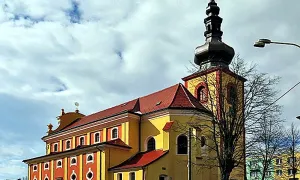
2. Klášterec nad Ohří Village - *Type:* Historical Settlement - *Why Visit:* Just a short walk from Šumburk, Klášterec nad Ohří is known for its charming medieval architecture and vibrant history as a former mining town. Visitors can explore the well-preserved old town with its narrow streets, traditional houses, and historical landmarks like the Church of St. James.
3. Šumná Village - *Type:* Cultural Site - *Why Visit:* Located within a five-kilometer radius from Šumburk, Šumná offers insights into rural life in the region with its traditional village setting and local customs. The area is known for its scenic beauty and provides an opportunity to experience the tranquility of the countryside.
4. Historical Pathways - *Type:* Walking Trail - *Why Visit:* Connecting Šumburk, Klášterec nad Ohří, and Šumná are historical pathways that offer a scenic walking route through the region's picturesque landscapes. These trails provide an excellent opportunity for visitors to immerse themselves in nature while reflecting on the area's rich history.
This thematic tour allows visitors to explore the historical and cultural richness of the Šumburk area, offering a blend of medieval ruins, charming villages, and scenic walking routes.
Seasonal recommendations
Spring: Visiting Šumburk during spring offers a unique experience as the castle ruins are enveloped by lush greenery and blooming wildflowers, creating a vibrant tapestry of colors that enhance the historical atmosphere. The gentle warmth of the season encourages exploration amidst nature's renewal. Visitors should be prepared for occasional rain showers; therefore, bringing waterproof clothing is advisable. Early mornings or late afternoons are ideal times to visit, as they tend to be less crowded and offer softer natural lighting, perfect for capturing the beauty of Šumburk in its spring glory.
Summer: Summer at Šumburk is characterized by long daylight hours that illuminate the ruins with a golden glow, making it an excellent time for photography enthusiasts. The surrounding landscape thrives with life, offering picturesque views and inviting trails for walking or picnicking. However, this season also attracts larger crowds, so arriving early in the day can help avoid the busiest times. Comfortable footwear and breathable clothing are recommended due to warm temperatures, along with plenty of water to stay hydrated during your visit.
Autumn: Autumn brings a magical transformation to Šumburk, as the surrounding forests change into fiery hues of red, orange, and yellow. The cooler weather provides comfortable conditions for exploring the castle's expansive grounds, while the softer light of late afternoon enhances the ruins' dramatic features. This season is particularly appealing for those seeking tranquility away from summer crowds. Layered clothing is advisable to accommodate fluctuating temperatures throughout the day, and a visit during weekdays can ensure a more peaceful experience.
Winter: Winter at Šumburk offers a serene and atmospheric setting, with snow-dusted ruins creating a picturesque scene reminiscent of fairy tales. The cold weather brings fewer visitors, allowing for a quieter exploration of the site. However, it's important to dress warmly in insulated layers, as temperatures can be quite low. Due to shorter daylight hours and potential closures during extreme weather conditions, checking opening times in advance is essential. Visiting on a sunny day can provide ample light for photography and a more pleasant experience overall.
Visualizations and artistic views

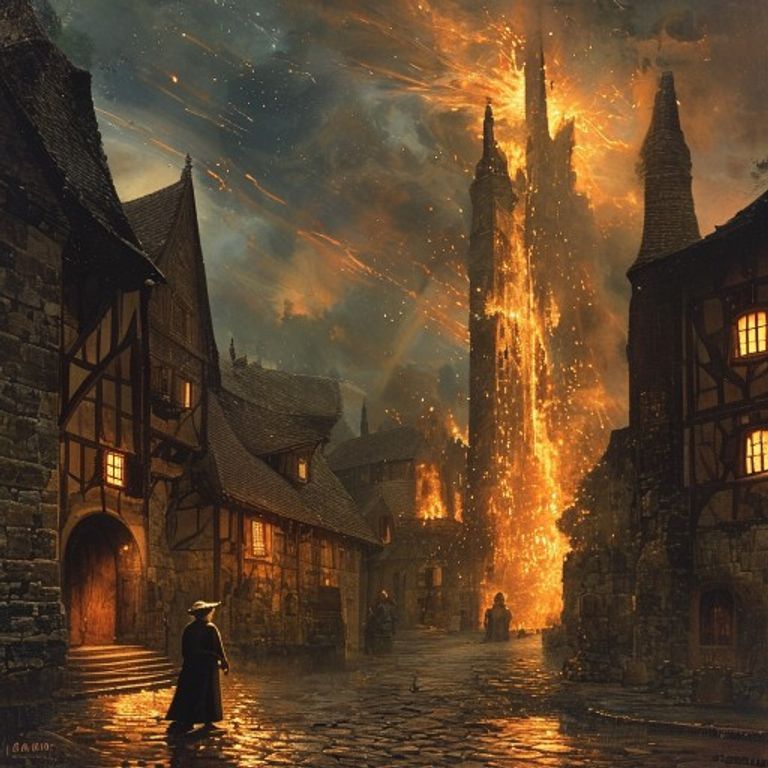
Vizualizace jsou generovány umělou inteligencí a slouží jako inspirace.


Tips from visitors
No tips yet. Be the first!
Log in and add your tip.
Location on the map

Příběhy a pověsti
Legendy, pověsti a příběhy spjaté s touto památkou
Reviews and comments