






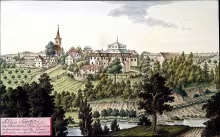
Soutice Castle stands as a testament to architectural evolution in Středočeský kraj, Czech Republic. Located within Soutice municipality, this baroque structure was built on an older fortress site during the late 17th century. Recognized as a cultural monument, it is listed among endangered heritage sites due to disrepair. The castle's historical significance is highlighted by its ownership transitions and architectural changes over time.
The origins of Soutice Castle date back to the late 17th century, a period marked by significant development within the Habsburg Monarchy, which included Bohemia. Initially constructed as a Gothic-Renaissance fortress, it was transformed into its current baroque form in 1674. The castle's history is linked with notable figures like Ferdinand Antonín Mladota ze Solopisk, who acquired the Soutice estate in 1694 and had an interest in alchemy.
Architecturally, the castle reflects its baroque style, though specific design elements and materials are not extensively documented. A devastating fire in 1895 led to partial reconstruction with one floor removed, marking a turning point by resulting in the loss of historical artifacts and archives.
Ownership transitions have been frequent. After Ferdinand Antonín Mladota ze Solopisk's acquisition, the estate passed to the Jesuit order following his son František Michal Mladota's death. It was later sold to Mariá Magdaléna Mladotová ze Solopisk and her sisters due to financial difficulties, eventually being auctioned to Zuzana Františka Puteani. In the 20th century, Jan David Horský acquired it through post-1989 restitution, with ownership passing to his son Jan Horsky in 2012.
Key events include its transformation into an agricultural school by František Antonín baron Puteani in 1780, highlighting its role beyond residence and contributing to educational advancements. The fire of 1895 remains pivotal, altering the structure and erasing parts of its history.
Today, Soutice Castle is privately owned and undergoing reconstruction efforts. Although currently unused and in disrepair, it offers occasional public access, allowing visitors to glimpse into its storied past. Its significance lies not just in architectural heritage but also in reflecting socio-economic shifts within the region over centuries.
Soutice Castle invites exploration for those interested in Czech history and architecture. Its story is a compelling narrative of transformation, resilience, and cultural evolution, making it a worthwhile destination for visitors seeking to connect with the past.
Historical milestones
- konec 17. století
- Soutice Castle built on an older fortress site.
- 1674
- Castle transformed into its current baroque form.
- 1694
- Ferdinand Antonín Mladota ze Solopisk acquired the estate.
- 1780
- Transformed into an agricultural school by František Antonín baron Puteani.
- 1895
- Devastating fire led to partial reconstruction and loss of historical artifacts.
Architectural development
Originally built in the second half of the 17th century, Soutice Castle replaced a previous fortress. It underwent significant damage from a fire in 1895, which led to its partial reconstruction with one floor removed. The castle has seen various phases of restoration and repair, including major work at the beginning of the 20th century.
Historical events
1694: Ferdinand Antonín Mladota ze Solopisk purchased the Soutice estate.
1724: Ferdinand Antonín Mladota acquired a house in Prague, known today as Faustův dům.
1780: František Antonín baron Puteani established an agricultural school within the castle.
1895: A major fire severely damaged the castle and destroyed many historical artifacts and archives.
Owners
1694: Ferdinand Antonín Mladota ze Solopisk
Posthumously, the Jesuit order acquired the estate for his son František Michal Mladota ze Solopisk. It was later sold to Mariá Magdaléna Mladotová ze Solopisk and her sisters.
The estate passed to Zuzana Františka Puteani through a public auction due to debts.
Jan David Horský (post-1989 restitution)
2012: Jan Horsky
Points of interest
- Soutice Castle's transformation from a Gothic-Renaissance fortress to its current baroque form in 1674 reflects the broader architectural trends of the Habsburg Monarchy during that era. - Ferdinand Antonín Mladota ze Solopisk, an owner of the estate, had an interest in alchemy, which adds a layer of mystique and intrigue to the castle's history.
- The castle played a unique role as an agricultural school established by František Antonín baron Puteani in 1780, highlighting its contribution beyond mere residential use.
Guide
Show guide text
Welcome to the historical site of Soutice Castle, nestled in the picturesque region of Středočeský kraj in the Czech Republic. As you stand before this majestic structure, take a moment to absorb its grandeur and imagine the stories it holds within its walls.
Built on the foundations of an older fortress, Soutice Castle emerged in the late 17th century as a stunning example of baroque architecture. This transformation occurred around 1674 when the castle took on its current form, reflecting the broader architectural trends favored by the Habsburg Monarchy during that era. The site has witnessed centuries of history and change, with each layer adding to its rich tapestry.
As you gaze upon the castle's exterior, notice how it stands as a testament to both resilience and transformation. Although specific architects remain unknown, their vision is evident in every detail—from the symmetry of its façade to the intricate designs that hint at its baroque elegance. The castle has been designated a cultural monument, underscoring its significance amidst the endangered heritage sites of our time.
The history of Soutice Castle is intertwined with notable figures who have shaped its destiny. Ferdinand Antonín Mladota ze Solopisk acquired the estate in 1694 and left an indelible mark through his interest in alchemy—a fascinating aspect that adds a layer of intrigue to the castle's past. Later, in 1780, František Antonín baron Puteani transformed it into an agricultural school, reflecting changing societal needs.
One cannot overlook the dramatic chapter in 1895 when a devastating fire ravaged the castle, leading to partial reconstruction and the loss of many historical artifacts. Yet, despite such trials, the spirit of Soutice Castle endures.
As you continue your exploration, let your imagination wander through time, envisioning the lives that have passed through these halls. The castle's evolution from a Gothic-Renaissance fortress to its current baroque form is a narrative of adaptation and resilience—a story echoed in many historical sites across Europe.
I invite you to delve deeper into this remarkable place as it undergoes reconstruction. While access may be occasional, each visit offers a unique opportunity to connect with history. As we conclude our audio journey here at Soutice Castle, I hope you leave inspired by its enduring legacy and eager to explore more of the stories that lie within.
Thank you for joining me on this exploration. May your curiosity lead you to many more historical treasures. Farewell!
Tips for visitors
The best time to visit Soutice Castle is during late spring or early autumn when the weather is pleasant, and the surrounding landscapes are particularly beautiful. These seasons offer comfortable temperatures for exploring both indoors and outdoors, while also avoiding the peak tourist crowds that can occur in summer. The natural lighting during these months enhances the castle's baroque architecture, making it ideal for photography enthusiasts.
Parking at Soutice Castle is available nearby, with several spots accessible by car. For those preferring public transport, there are bus services that connect to the area; however, it’s advisable to check current routes and schedules in advance using a travel app or website. The castle's rural setting means that visitors should plan their transportation accordingly to ensure a smooth visit.
When visiting Soutice Castle, consider bringing comfortable walking shoes as there may be uneven paths around the site. A hat and sunscreen are recommended if you're planning an afternoon visit due to potential sun exposure in the open areas. Additionally, carrying a water bottle is advisable to stay hydrated during your exploration of the castle grounds.
For photography enthusiasts, the best spots at Soutice Castle include the main entrance and the surrounding gardens, especially during golden hour when the light creates dramatic shadows and highlights on the baroque architecture. The natural landscapes around the castle also offer excellent backdrops for capturing the historic site in its entirety.
Nearby attractions within a 30-minute drive from Soutice Castle include local landmarks that contribute to the region's historical context, such as small museums or nature trails. These sites provide additional opportunities for visitors to explore and understand the area’s heritage beyond the castle itself.
Businesses nearby
Do you run a restaurant, accommodation, shop, museum, rental, wellness or other visitor service near this monument? Show yourself directly to the people heading to it — this is how they will see you in the app and on the web:
Nearby
Soutice Castle is situated in a rural area within the Středočeský kraj region, surrounded by natural landscapes. The nearby town of Soutice and other local landmarks contribute to its historical context.
Accommodation nearby
Trips and activities nearby
Guided tours, tickets and activities nearby from GetYourGuide
Search tours and activities →Themed route
Thematic Tour Itinerary: Soutice Castle and Surroundings
1. Soutice Castle - *Type:* Historical Landmark - *Why Visit:* Begin your journey at the heart of this itinerary, the majestic Soutice Castle, a quintessential example of rural architecture nestled in the picturesque landscapes of Středočeský kraj. Explore its rich history and architectural beauty, which reflect centuries of cultural heritage.
2. Local Village of Soutice - *Type:* Cultural Site - *Why Visit:* A short walk from the castle, the charming village of Soutice offers a glimpse into traditional Czech rural life. Wander through its quaint streets and interact with locals to experience authentic culture and hospitality.
3. Castle Gardens - *Type:* Natural Attraction within Castle Premises - *Why Visit:* Adjacent to the castle, the well-maintained gardens provide serene landscapes perfect for relaxation and reflection. Enjoy a leisurely stroll among beautifully landscaped paths that highlight local flora and offer stunning views of the surrounding countryside.
4. Castle Chapel - *Type:* Religious Site within Castle Premises - *Why Visit:* Located within the castle grounds, the historic chapel is an architectural gem worth exploring for its spiritual ambiance and intricate design elements. It offers a peaceful retreat from the bustling world outside and provides insight into the religious history of the area.
5. Castle Courtyard - *Type:* Historical Site within Castle Premises - *Why Visit:* Conclude your visit at the expansive castle courtyard, where you can appreciate the grandeur of the castle's exterior architecture. This open space often hosts events and exhibitions that provide deeper insight into the historical significance of Soutice Castle.
This itinerary offers a comprehensive exploration of Soutice Castle and its immediate surroundings, ensuring an enriching experience steeped in history, culture, and natural beauty.
Seasonal recommendations
Spring: Visiting Soutice Castle during spring offers a unique experience as the surrounding landscape bursts into life with vibrant colors and fresh blooms. The natural beauty is enhanced by gentle sunlight, creating a picturesque setting that complements the ongoing reconstruction of the castle. This season often brings moderate crowds, making it an ideal time to explore without feeling overwhelmed. Visitors are advised to wear comfortable layers, as temperatures can vary significantly throughout the day. Early mornings or late afternoons provide the best lighting for photography and allow you to enjoy a quieter atmosphere.
Summer: Summer at Soutice Castle is characterized by long daylight hours and warm weather, perfect for leisurely exploration of both the castle grounds and the surrounding countryside. The lush greenery provides a stunning backdrop for visitors enjoying outdoor activities or picnics. However, this peak season also attracts larger crowds, so it's wise to arrive early in the day to avoid the busiest times. Light clothing is recommended due to the heat, along with sun protection like hats and sunscreen. This period offers numerous opportunities to experience local culture through various events that might be taking place.
Autumn: The autumn months at Soutice Castle are marked by a stunning display of fall foliage, transforming the landscape into an array of warm hues. The cooler temperatures make for comfortable walking tours around the castle ruins and picturesque surroundings. This season tends to see fewer visitors compared to summer, offering a more tranquil experience. Layered clothing is advisable as mornings can be chilly while afternoons remain mild. The softer light in autumn provides excellent conditions for photography, capturing the serene beauty of the historical site amidst nature's seasonal changes.
Winter: Winter at Soutice Castle presents a stark yet beautiful contrast with snow-covered grounds and bare trees that add to the castle’s mystique during its reconstruction phase. Shorter days mean earlier closures, so planning your visit is crucial to make the most of the limited daylight hours. Visitors should dress warmly in layers, including hats, gloves, and insulated footwear to stay comfortable while exploring. Despite potentially harsh weather conditions, winter offers a unique atmosphere with fewer crowds, allowing for a more intimate experience of this historic site amidst the quiet beauty of the season.
Visualizations and artistic views

Vizualizace jsou generovány umělou inteligencí a slouží jako inspirace.


Tips from visitors
No tips yet. Be the first!
Log in and add your tip.



Reviews and comments