





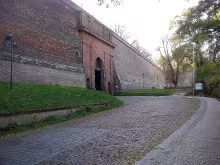
The Prague fortifications, also known as the Prague fortifications, are a historical monument located in the Hradčany district of Prague, Czech Republic. This complex system of fortifications was built around individual strongholds, castles, and towns, and developed into a unified system in the mid-14th century. The fortifications played a significant role in the city's history, protecting it from external threats and reflecting its growing importance as a major center of trade and culture in Central Europe.
The origin of the Prague fortifications dates back to the 9th century, when the Prague Castle was first surrounded by a fortified wall. This was followed by the construction of fortifications around other strongholds and castles, including Vyšehrad, which was rebuilt with stone walls and gates in 1135. The Old Town's fortifications lost their significance and gradually disappeared after the establishment of the New Town in the 14th century. In the 17th and 18th centuries, some sections of the fortifications were rebuilt or reinforced in the Baroque style.
The Prague fortifications' architecture is characterized by their development into a unified system in the mid-14th century. The fortifications were built around individual strongholds, castles, and towns, with the New Town founded on the left bank of the Vltava River in 1257. The fortifications were also extended to include the Prague Castle, which was rebuilt with stone walls and gates in 1135. New walls and towers, including the Mihulka and Daliborka towers, were added in the 15th century.
The Prague fortifications were owned and administered by various rulers and institutions throughout history, including the Premyslid dynasty and the Knights of the Order of St. John. The fortifications played a significant role in the city's history, protecting it from external threats and reflecting its growing importance as a major center of trade and culture in Central Europe.
Some key events and curiosities associated with the Prague fortifications include the establishment of the New Town in 1257 and the rebuilding of the Prague Castle in 1135. The fortifications were also extended to include the Prague Castle, which was rebuilt with stone walls and gates in 1135. New walls and towers were added in the 15th century.
Today, the Prague fortifications are a significant historical monument and a popular tourist attraction. The fortifications are located in the historic center of Prague, surrounded by the Vltava River and the Prague Castle. Visitors can explore the remaining sections of the fortifications, including the Mihulka and Daliborka towers, and learn about the history and significance of this important historical monument. The Prague fortifications are a must-see for anyone interested in history, architecture, and culture, offering a unique glimpse into the city's rich and complex past.
Historical milestones
- 900
- The fortifications were built around the Prague Castle for the first time.
- 1135
- The fortifications of the Prague Castle were rebuilt with stone walls and gates.
- 1257
- The New Town was founded on the left bank of the Vltava River.
- 1875
- The fortifications were largely demolished, except for a few sections and towers.
Architectural development
The fortifications were built around individual strongholds, castles, and towns, but developed into a unified system in the mid-14th century. The fortifications of the Old Town lost their significance and gradually disappeared after the establishment of the New Town. In the 17th and 18th centuries, some sections of the fortifications were rebuilt or reinforced in the Baroque style.
Historical events
The fortifications were built around individual strongholds, castles, and towns.
The fortifications developed into a unified system in the mid-14th century.
The fortifications of the Old Town lost their significance and gradually disappeared after the establishment of the New Town.
Some sections of the fortifications were rebuilt or reinforced in the Baroque style in the 17th and 18th centuries.
Points of interest
– The Prague fortifications were also used as a place of imprisonment and torture during the Middle Ages, with the Daliborka Tower being a notorious example of a dungeon where prisoners were held.
– The fortifications played a significant role in the city's defense against the Hussite Wars, with the Prague Castle being a key stronghold for the Catholic forces during the conflict.
– The Mihulka Tower, one of the remaining sections of the fortifications, was built in the 15th century and features a unique combination of Gothic and Renaissance architectural styles.
Guide
Show guide text
Welcome! You are standing before a historical monument that symbolizes the defense and strong position of Prague. Turn around and take in the fortification complex stretching out before you. Let's step back into the past and I'll tell you about the history of this fascinating landmark.
The first mentions of Prague's fortifications date back to the 9th century, when they were built around the castle. In the 11th century, the ramparts were expanded and rebuilt with stone. At that time, the fortification around New Town was also part of the complex; it was founded in 1257. New Town was established on the left bank of the Vltava to be better protected from attacks.
Notice how strong these walls are. They are built of stone and are remarkable for their solidity. The walls were constructed to protect the city from enemies. You can also see some of the original gates that were used to open and close the city gates.
Another interesting fact is that Prague's fortifications were also used as places of imprisonment and torture during the Middle Ages. One well-known example is Daliborka Tower, which was used as a prison for captured enemies. These stories are fascinating and add another dimension to the walls.
Let's now return to the time when the walls played a crucial role in defending Prague. In the 15th century, during the Hussite Wars, the fortifications were key in defense against enemies. The walls were strong and could withstand many attacks.
Now stop before one of the gates and take in the façade. Notice how the stone blocks here are carefully laid out. You can also see some of the original sculptures and reliefs that are part of this historical monument.
An interesting point is that Prague's fortifications were also used as a place for military exercises and maneuvers. They were also used for military parades and ceremonial events.
Until 1875, Prague's walls were preserved in their original state. However, at that time they were largely demolished to make space for new buildings and the development of the city. Today you can see remnants of the walls and towers that symbolize the history and defense of Prague.
Let's now return to the present day. The walls of Prague are a protected cultural monument and are considered one of the most significant historical landmarks in Prague. Their history is fascinating and offers many interesting details and stories.
Thank you for your attention, and I hope you enjoyed exploring the walls of Prague. It is a place that will offer you many interesting insights and details about the history of Prague and its defense.
Tips for visitors
The best time to visit the Prague fortifications is during the spring and autumn seasons, when the weather is mild and pleasant. These periods offer the best conditions for photography, with soft natural light and fewer tourists.
Visitors can reach the Prague fortifications by car or public transportation. The nearest parking is available in the surrounding streets, and the site is accessible by tram lines 22 and 25. For the most up-to-date information on transportation, we recommend checking a reliable route planner.
It is recommended to bring comfortable walking shoes, as the fortifications cover a significant area and require some physical effort to explore. Additionally, visitors should bring a camera to capture the stunning views and architectural details.
The best spots for photography are the Charles Bridge, the Old Town Square, and the Prague Castle. The golden light of sunrise and sunset creates a magical atmosphere, making these periods ideal for photography.
Families with children can enjoy the Prague fortifications by exploring the interactive exhibitions and educational programs offered by the Prague Castle. The nearby Petřín Tower and the Wallenstein Garden are also great options for a fun day out.
Businesses nearby
Nearby
The fortifications are located in the historic center of Prague, surrounded by the Vltava River and the Prague Castle.
Accommodation nearby
Trips and activities nearby
Guided tours, tickets and activities nearby from GetYourGuide
Search tours and activities →Themed route
Trasa: Opevnění Prahy a historické centrum
1. Opevnění Prahy (Hradby): Hlavní cíl trasy, jedinečná historická památka, která chrání centrum Prahy po staletí. Její komplexní systém hradeb a bran nabízí pohledy na historii a architekturu Prahy.
2. Pražský hrad: Nachází se přímo u opevnění a nabízí návštěvníkům možnost prohlídky hradu a jeho nádvoří. Hrad je sídlem českých králů a arcibiskupů a obsahuje mnoho historických budov a expozic.
3. Karlův most: Nachází se nedaleko opevnění a je jedním z nejznámějších mostů v Praze. Má bohatou historii a nabízí krásné výhledy na řeku Vltavu a historické centrum Prahy.
4. Staroměstské náměstí: Nachází se v bezprostřední blízkosti opevnění a je jedním z nejznámějších náměstí v Praze. Je zde mnoho historických budov, včetně kostela Matky Boží před Týnom a Orloj.
Seasonal recommendations
Jaro Spring is the ideal time to visit Prague's fortifications because nature is full of life and color. Green trees and blooming flowers create a pleasant atmosphere. The lighting is natural, so it’s best to visit during daylight hours. Practical tips: expect larger crowds of tourists, so it’s wise to arrive early before peak season begins. Wear comfortable shoes and don’t forget your sunglasses.
Léto Summer is the busiest season for visiting Prague's fortifications. Tourist groups are enormous, and open spaces can become crowded. The lighting is natural, but you might want to bring a flashlight to help navigate better. Practical tips: arrive early before peak summer season hits full swing, and take some drinks and snacks with you because it can get quite hot.
Podzim Autumn is a quieter time for visiting Prague's fortifications. The atmosphere is calm and serene, and nature is full of colors. The lighting is natural, but you might want to bring a flashlight to help navigate better. Practical tips: wear warm clothing as temperatures can drop, and bring along some tea or coffee to keep yourself warm.
Zima Winter is the most suitable time for visiting Prague's fortifications if you enjoy peace and quiet. The lighting is minimalist, and nature is calm. Practical tips: wear warm clothing and bring along some tea or coffee to keep yourself warm. Operating hours are shorter, so it’s a good idea to arrive earlier before it gets late.
Visualizations and artistic views

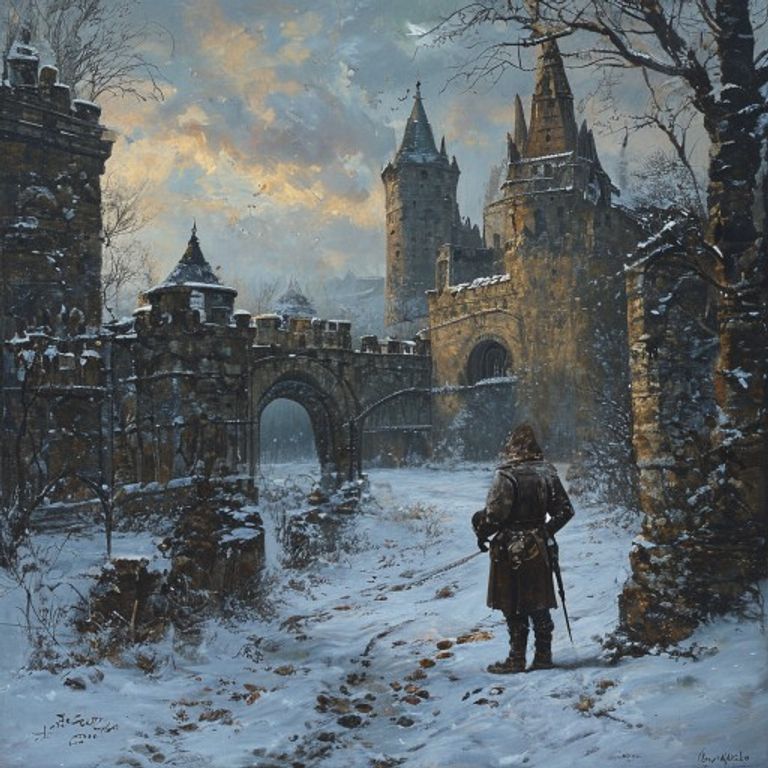
Vizualizace jsou generovány umělou inteligencí a slouží jako inspirace.

Tips from visitors
No tips yet. Be the first!
Log in and add your tip.
Location on the map


Příběhy a pověsti
Legendy, pověsti a příběhy spjaté s touto památkou
Reviews and comments