




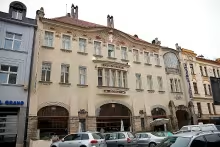
The Okresní dům in Hradec Králové is a notable Secession-style building constructed between 1903 and 1904 by architect Jan Kotěra. Located at Palackého ulice, it serves as an architectural landmark with dual purposes: a hotel and administrative space for local government bodies. Its unique design features asymmetrical facades adorned with sculptural elements by Stanislav Sucharda and rosette reliefs, marking its significance in early 20th-century Bohemian architecture.
The origins of the Okresní dům date back to discussions initiated in 1901 between Hradec Králové's mayor František Ulrich and Jan Kotěra. Conceived as a pioneering public structure combining hotel and administrative functions, it reflects broader European trends towards modernism during that era. Construction began in August 1903 under Kotěra’s supervision, with local craftsmen significantly contributing to its realization.
Architecturally, the building is distinguished by its asymmetrical design, allowing separate access to its café and administrative areas. The facade is divided into two parts: a narrower section featuring an ornate entrance portal adorned with sculptures by Stanislav Sucharda, and a wider section characterized by a modest arcade on the first floor and rosette reliefs beneath the roofline. Jan Kotěra personally oversaw the interior design, incorporating nautical-themed murals by František Fröhlich and original furniture designs, some of which are preserved or stored in local museums.
Over time, the building underwent several renovations while maintaining its historical significance. In 1910, it was structurally connected to the adjacent Grand Hotel, integrating their facilities. Further modifications were made in 1921 and 1928 by Josef Fňouk, who altered both exterior and interior elements, including enclosing café doors and installing new historicist furniture.
Ownership of the Okresní dům has changed over time, with renovations reflecting its evolving use. By the mid-20th century, it housed restaurants and dining halls. From 1958, it was recognized as a protected monument. Between 2005 and 2006, the building underwent another major renovation before transitioning to private ownership in 2020, where it now functions as a hotel.
Today, the Okresní dům stands as a testament to early 20th-century architectural innovation and urban development in Hradec Králové. Its historical significance and unique design make it a worthwhile visit for those interested in architecture and history. Visitors can appreciate its blend of functionality and artistry, which continues to captivate and inspire.
Historical milestones
- 1904
- Completion of the Okresní dům.
- 1910
- Structural connection with the Grand Hotel.
- 1921
- Renovations by Josef Fňouk began.
- 1928
- Further renovations and reconfiguration of adjacent hotel.
Architectural development
The Okresní dům was initially built as a pioneering public building combining hotel and administrative functions. Its construction began in August 1903 under the supervision of Jan Kotěra, with local craftsmen contributing significantly to its realization. The building underwent notable renovations in 1921 and 1928 by Josef Fňouk, which included changes like enclosing café doors and installing new historicist furniture.
Historical events
1901: Discussions began between Hradec Králové's mayor František Ulrich and Jan Kotěra regarding the building's design.
1910: The building was structurally connected to the adjacent Grand Hotel, integrating their facilities.
1921 & 1928: Renovations were carried out by Josef Fňouk, altering both exterior and interior elements.
Points of interest
- The Okresní dům's architectural design was influenced by the Arts and Crafts movement, which emphasized handcrafted artistry over industrial production—a reflection of Jan Kotěra’s commitment to integrating artisanal elements into modern architecture.
- An interesting anecdote about the building is that during its construction in 1903–1904, local craftsmen were heavily involved, a practice that was quite progressive at the time and highlighted the community's investment in preserving traditional skills within a modern framework.
Guide
Show guide text
Welcome to the Okresní dům in Hradec Králové, a magnificent testament to early 20th-century architecture and local history. As you stand before this impressive structure, take a moment to absorb its grandeur. The Secession-style building, with its asymmetrical facades adorned with intricate decorative elements, immediately captures your attention. Notice the sculptural adornments by Stanislav Sucharda that add a touch of artistry to the exterior.
This architectural gem was completed in 1904 and is the work of the renowned architect Jan Kotěra. Designed during a period when the Arts and Crafts movement was flourishing, it reflects Kotěra’s commitment to integrating handcrafted artistry into modern architecture. The building served dual purposes as both a hotel and an administrative space for local government bodies.
As you explore further, observe the unique design features that make this building stand out. The asymmetrical facades are complemented by decorative rosette reliefs, showcasing the attention to detail characteristic of Kotěra’s work. These elements were influenced by the Arts and Crafts movement, emphasizing handcrafted artistry over industrial production.
Several key figures played a role in shaping the history of this building. František Ulrich, Stanislav Sucharda, Otakar Novotný, František Fröhlich, and Ján Preisler are among those who contributed to its rich legacy. In 1910, the Okresní dům was structurally connected with the Grand Hotel, enhancing its functionality as a hospitality venue. The building underwent significant renovations starting in 1921 by Josef Fňouk, followed by further transformations and reconfiguration of the adjacent hotel in 1928.
An interesting anecdote about this building is that Jan Kotěra’s design was not only functional but also deeply artistic, reflecting his belief in the harmony between form and function. This philosophy is evident in every corner of the Okresní dům.
As we conclude our audio guide, I invite you to continue exploring this historic site on your own. Each step around the building reveals more about its storied past and architectural beauty. Thank you for joining us today, and enjoy your journey through Hradec Králové’s rich cultural heritage.
Tips for visitors
The best time to visit the Okresní dům in Hradec Králové is during late spring or early autumn when the weather is pleasant, and the crowds are smaller compared to summer months. This period allows you to fully appreciate the Secession-style architecture without the discomfort of hot weather. Additionally, visiting on a weekday can provide a more tranquil experience as weekends tend to attract more visitors.
Parking near Okresní dům is limited; therefore, it's advisable to use public transportation or park in designated areas outside the city center and walk from there. The building is accessible by bus and tram lines that connect through Hradec Králové. For those driving, checking a local map service for parking options before your visit can save time. Public transport schedules are subject to change, so it's best to verify them closer to your travel date.
When planning your visit, consider bringing comfortable walking shoes and weather-appropriate clothing, as you may want to explore the surrounding area on foot. A camera or smartphone is recommended for capturing the architectural details of the building, which are most striking in natural light. Early morning or late afternoon visits can offer softer lighting conditions that enhance photography.
For families with children, Okresní dům offers a cultural experience combined with an opportunity to explore Hradec Králové's historical center nearby. Engaging kids with the history of the building and its architectural style can be both educational and entertaining. Nearby attractions within 30 minutes include the Old Town Hall and St. Wenceslas Church, offering more insights into the city’s rich heritage.
Photography enthusiasts should focus on capturing the facade of Okresní dům during the golden hours for optimal natural lighting that accentuates its Secessionist features. The building's interior also presents unique opportunities for architectural photography, though permission may be required to take photos inside certain areas.
Businesses nearby
Do you run a restaurant, accommodation, shop, museum, rental, wellness or other visitor service near this monument? Show yourself directly to the people heading to it — this is how they will see you in the app and on the web:
Accommodation nearby
Themed route
Tematická výletní trasa: Okresní dům v Hradci Králové
1. Okresní dům (Radnice) *Typ:* Historická budova, administrativní sídlo *Proč stojí za návštěvu:* Tato impozantní radnice je architektonickým zázrakem ve stylu baroko s vlivy renesance. Je domovem pro místní úřady a hostí různé kulturologické akce, které nabízejí návštěvníkům pohled na historii i současnost Hradce Králové.
2. Kostel svatého Vojtěcha *Typ:* Historický kostel *Proč stojí za návštěvu:* Tento gotický kostel je nejen duchovním centrem města, ale také architektonickou perle. Jeho bohatě zdobená interiér a historie sahající do 13. století nabízejí pohled na bohatou kulturní tradici Hradce Králové.
3. Náměstí Republiky *Typ:* Historické náměstí *Proč stojí za návštěvu:* Centrální náměstí města je živým srdcem Hradce Králové, kde se prolínají historie a modernita. Je to místo pro setkání obyvatel i turistů, nabízející krásné pohledy na okolní památky a příležitost pro relaxaci v klidu.
4. Královéhradecký muzeum *Typ:* Muzeum *Proč stojí za návštěvu:* Toto muzeum je skvělým místem pro zájemce o historii a kulturu regionu. Jeho výstavy pokrývající různé období od pravěku po současnost nabízejí hluboký vhled do minulosti Královéhradeckého kraje.
5. Královo náměstí *Typ:* Historické náměstí *Proč stojí za návštěvu:* Toto malé, ale působivé náměstí je známé svými barokními domy a krásnou architekturou. Je to místo, kde se mohou návštěvníci uvolnit a prohlédnout si jedinečné detaily staveb, které přispívají k atmosféře staroměstských ulic Hradce Králové.
Tato trasa nabízí komplexní pohled na historický a kulturní život Hradce Králové, od hlavního administrativního centra po klidná náměstí a vzdělávací instituce.
Seasonal recommendations
Spring: Visiting the District House in Hradec Králové during spring offers a unique experience as nature begins to awaken, with blooming flowers and budding trees creating a picturesque backdrop for this historic landmark. The soft light of early mornings or late afternoons can beautifully illuminate the architecture, enhancing its details. Visitors should consider wearing layers as temperatures can fluctuate, and carrying an umbrella is wise due to potential spring showers. This time often sees moderate crowds, making it easier to enjoy the site without long waits.
Summer: The summer months bring vibrant life to Hradec Králové's District House, with lush greenery surrounding the building and longer daylight hours providing ample opportunity for exploration. The atmosphere is lively, with warm evenings perfect for strolling around the area after visiting. It's advisable to visit early in the morning or later in the afternoon to avoid peak tourist times when crowds can be substantial. Comfortable walking shoes and light clothing are recommended due to higher temperatures.
Autumn: Autumn at the District House offers a stunning display of colors as leaves turn shades of red, orange, and gold, creating a magical setting for visitors. The cooler weather makes it an ideal time to explore without the summer heat, and the softer lighting can cast beautiful hues over the historic architecture. It's a good idea to check the opening hours in advance, as they may be adjusted due to shorter days. Layered clothing is recommended to accommodate varying temperatures throughout the day.
Winter: Winter transforms Hradec Králové into a serene landscape with snow-covered surroundings that add a touch of magic to the District House. The crisp air and festive atmosphere make it an enchanting time for a visit, though it's important to dress warmly in coats, hats, and gloves. Shorter daylight hours mean earlier closures, so planning your visit during midday can ensure you have enough light to appreciate the site fully. Although fewer tourists typically visit in winter, bringing along some hot tea or coffee after exploring can be a delightful way to warm up.
Visualizations and artistic views

Vizualizace jsou generovány umělou inteligencí a slouží jako inspirace.


Tips from visitors
No tips yet. Be the first!
Log in and add your tip.

Reviews and comments