





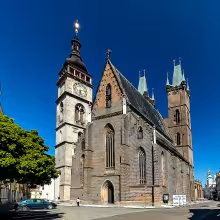
The Cathedral of St. Spirit in Hradec Králové is a prominent Gothic brick pseudobasilica with two towers at the southwest corner of Velké náměstí. For over seven centuries, it has been an integral part of the city's skyline, serving as the main church of the Královéhradecký diocese and the seat of its bishop. Renowned for both its architectural style and historical significance, the cathedral is linked to key figures in Bohemian history.
Traditionally associated with Queen Elizabeth Richeza of Poland, wife of King Wenceslaus II, who chose Hradec Králové as her residence after 1307, the origins of the Cathedral of St. Spirit are notable despite no preserved founding charter. Initially, a parish church for Teutonic Knights existed on the site from 1238 to 1250 but was destroyed in a fire in 1339. This led to the construction of the current presbytery between 1339 and 1342.
Architecturally, it is a late Gothic brick basilica with two towers. Construction began as a three-nave basilica, divided into phases due to fires and interruptions. The first phase completed the presbytery and initial towers from 1339 to 1342. Queen Elizabeth of Pomerania significantly contributed during the second phase by overseeing the naves' completion and connecting the presbytery to the dean's sacristy by mid-14th century. Despite a fire in 1407, reconstruction without external support was completed by 1463.
The third construction phase began after another devastating fire in 1484, leading to further repairs and renovations, including new towers and bells that survive today. Around 1497, the sanctuary saw significant changes with the introduction of a late Gothic pastoforium, attributed to Matěj Rejsek's workshop.
Throughout its history, the cathedral has witnessed key events. In 1424, Jan Žižka, a prominent Hussite leader, was reportedly buried here, underscoring its importance during the Hussite Wars. The cathedral also endured looting and partial destruction by Swedish soldiers in 1639 but was rebuilt in Baroque style after becoming a cathedral in 1664.
The interior reflects historical influences, particularly from queens who contributed to its architectural development. Queen Sophia of Bavaria's influence is evident in elements resembling Prague patterns. Church walls feature whitewashed cross vaults with color underlined ribs and painted keystones depicting saint patrons.
Today, the cathedral remains a vital cultural and religious landmark. Its rich history, combined with Gothic architecture and historical significance, makes it a must-visit site for those interested in Bohemian heritage. Visitors can explore its interior, admire surviving bells, and reflect on events that have shaped this enduring monument. The Cathedral of St. Spirit continues to be a testament to Hradec Králové's historical and architectural legacy, inviting all who appreciate history and architecture to experience its grandeur firsthand.
Historical milestones
- 1307
- Traditionally attributed founding by Queen Eliška Rejčka.
- 1339
- The original church burned down, leading to the construction of the current presbytery.
Architectural development
The cathedral's construction began with a parish church in the late 13th century. After a fire in 1339, the presbytery was rebuilt between 1339-1342, followed by the completion of the nave in the 60s of the 14th century under Queen Elizabeth of Pomerania. The structure underwent several renovations and reconstructions over centuries, including significant Gothic restoration in the late 19th century.
Historical events
- 1339
- The original parish church burned down; construction of the current presbytery began.
- 1424
- Jan Žižka, a key figure in the Hussite Wars, was reportedly buried here.
- 1484
- A fire damaged the towers, leading to their reconstruction and enlargement.
Points of interest
- Despite no preserved founding charter for the Cathedral of St. Spirit, it is traditionally linked to Queen Elizabeth Richeza of Poland, who chose Hradec Králové as her residence after 1307, highlighting its historical significance from early on.
- The original parish church on the site was destroyed in a fire in 1339, leading to the construction of the current presbytery. This destruction and subsequent rebuilding underscore the cathedral's resilience and enduring presence through centuries of adversity.
Guide
Show guide text
Welcome to the Cathedral of St. Spirit in Hradec Králové, a magnificent testament to Gothic architecture and history that has stood proudly on the south-west corner of Velké náměstí for over seven centuries. As you stand here, take a moment to absorb the grandeur before you—a towering pseudobasilica crafted from brick, with two distinct towers reaching towards the sky. This cathedral is not just an architectural marvel; it's a symbol of faith and history that has defined this city’s skyline through countless seasons.
The origins of this iconic structure are traditionally linked to Queen Eliška Rejčka, who chose Hradec Králové as her residence after 1307. Although no founding charter survives, the cathedral is believed to have been established during her time, marking an important chapter in the city's history. However, a significant event occurred in 1339 when the original church was consumed by fire. This led to the construction of the current presbytery, laying the foundation for what you see today—a resilient structure that rose from its ashes.
As you take in the cathedral’s architecture, notice the intricate details that define its Gothic style. The façade invites your gaze with its symmetrical elegance and the harmonious proportions of its towers. While specific architects remain unnamed, their vision is evident in every stone and archway that has weathered time's passage. This cathedral serves as a testament to both religious devotion and architectural ingenuity.
The history surrounding this site is enriched by notable figures such as Queen Eliška Rejčka herself and the legendary Jan Žižka. Their stories are woven into the fabric of Hradec Králové, adding layers of intrigue and depth to your visit. Queen Elizabeth Richeza’s choice of this city highlights its historical significance from early on, while Jan Žižka's legacy echoes through time as a symbol of resilience and leadership.
One fascinating aspect that adds to the cathedral's mystique is the absence of a preserved founding charter. Despite this missing piece of history, the link to Queen Elizabeth Richeza remains strong, inviting you to ponder her influence on this city’s development. It’s these enigmas that make your visit all the more captivating.
As we conclude our journey through time and stone, I invite you to explore further. Wander around Velké náměstí, soak in the atmosphere, and let the cathedral's history inspire you. Thank you for joining me on this exploration of the Cathedral of St. Spirit—a place where history, faith, and artistry converge. Safe travels as you continue your adventure through Hradec Králové!
Tips for visitors
The best time to visit the Cathedral of St. Spirit is during late spring or early fall, when the weather is pleasant for exploring both indoors and outdoors. During these seasons, you can enjoy the cathedral's architecture without the crowds that typically gather in summer, allowing for a more intimate experience. Additionally, the natural light filtering through the Gothic windows creates stunning visuals inside the cathedral.
Parking near Velké náměstí is limited due to its central location and historical significance. Visitors are encouraged to use public transportation or park at designated areas outside the city center and walk in. The cathedral is easily accessible by foot from these parking spots, making it convenient for those who prefer not to drive.
When visiting the Cathedral of St. Spirit, consider bringing a camera with a zoom lens if you're interested in capturing detailed architectural features. For photography enthusiasts, early morning or late afternoon provides the best natural lighting conditions, casting dramatic shadows and highlights on the cathedral's façade. The south-west corner offers an excellent vantage point for capturing both the towers and the surrounding historical buildings.
For families with children, exploring the nearby Velké náměstí can be a delightful experience. Within a 30-minute walk, you'll find other notable landmarks that offer engaging activities for kids. The area's medieval ambiance is perfect for sparking curiosity about history and architecture. Additionally, there are several cafes and small parks where families can take breaks during their visit.
Businesses nearby
Do you run a restaurant, accommodation, shop, museum, rental, wellness or other visitor service near this monument? Show yourself directly to the people heading to it — this is how they will see you in the app and on the web:
Nearby
Situated on Velké náměstí, the cathedral is surrounded by historical buildings that contribute to its medieval ambiance. The area features other notable landmarks and natural landscapes within a five-kilometer radius.
Accommodation nearby
Themed route
Tematická výletní trasa: Historické Hradec Králové
1. Katedrála svatého Ducha - Typ: Katedrála - Proč stojí za návštěvu: Tato katedrála, nacházející se na Velkém náměstí v Hradci Králové, je ikonou gotické architektury a slavná svým bohatým historickým pozadím. Její významná věž nabízí nezapomenutelný pohled na město a přitahuje návštěvníky, kteří si chtějí prohlédnout její historické interiéry a umělecké poklady.
2. Kostel svatého Jiří - Typ: Kostel - Proč stojí za návštěvu: Nacházející se v blízkosti katedrály, kostel svatého Jiří je dalším představitelem gotické architektury. Je známý svou historií a jedinečnými uměleckými prvky, které odrážejí bohatou kulturní tradici oblasti.
3. Radnice Hradce Králové - Typ: Historický dům - Proč stojí za návštěvu: Tato historická radnice je umístěna na Velkém náměstí a představuje vynikající příklad renesanční architektury. Je známá svým krásným sálem a bohatou historií, která se zmiňuje o mnoha důležitých událostech v životě města.
4. Náměstí Republiky - Typ: Náměstí - Proč stojí za návštěvu: Toto centrální náměstí je srdcem Hradce Králové a nabízí krásný pohled na historickou architekturu obklopující jeho prostor. Je ideálním místem pro relaxaci, procházku nebo prohlédnutí dalších památek v okolí.
Tato trasa nabízí pohled na hlavní historické a architektonické skvosty Hradce Králové, což umožňuje návštěvníkům prozkoumat bohatou minulost města.
Seasonal recommendations
Spring: Visiting the Cathedral of St. Spiritus during spring offers a unique experience as nature awakens around Hradec Králové. The surrounding greenery is lush and vibrant, with cherry blossoms adding a delicate beauty to the landscape. This season provides softer natural light that beautifully illuminates the cathedral's intricate architecture, enhancing its grandeur. Visitors should be mindful of occasional rain showers; thus, carrying an umbrella or wearing waterproof clothing can enhance comfort. Spring generally sees moderate crowds, making it an ideal time for those who prefer a quieter visit while still enjoying the rejuvenating atmosphere.
Summer: The summer months bring warm weather and longer daylight hours to Hradec Králové, creating an inviting backdrop for exploring the Cathedral of St. Spiritus. The vibrant greenery and blooming flowers in this season contribute to a lively and picturesque setting. However, this is also the peak tourist season, so visitors may encounter larger crowds. Arriving early in the day can help avoid the midday rush and ensure more leisurely exploration of the cathedral's interior. Light, breathable clothing is recommended due to the warmer temperatures, along with sun protection such as hats or sunglasses.
Autumn: Autumn offers a stunning palette of colors around the Cathedral of St. Spiritus, with leaves turning shades of red, orange, and gold. The cooler weather provides comfortable conditions for walking through the historic streets of Hradec Králové to reach the cathedral. This season typically sees fewer tourists compared to summer, allowing for a more intimate experience of the site. Visitors should dress in layers to accommodate changing temperatures throughout the day and consider bringing a light jacket or scarf as evenings can be brisk.
Winter: The winter months transform Hradec Králové into a serene, snow-covered landscape, offering a magical atmosphere around the Cathedral of St. Spiritus. Snowfall can add a picturesque quality to the cathedral's Gothic architecture, while shorter days mean that lighting conditions are softer and more subdued. Visitors should dress warmly in layers, including hats, gloves, and insulated boots, as temperatures can be quite cold. The cathedral may have reduced hours during this time, so checking opening times ahead is advisable. Despite potential crowds during festive periods like Christmas markets, the winter ambiance provides a unique charm for those willing to brave the chill.
Visualizations and artistic views

Vizualizace jsou generovány umělou inteligencí a slouží jako inspirace.

Tips from visitors
No tips yet. Be the first!
Log in and add your tip.

Reviews and comments