






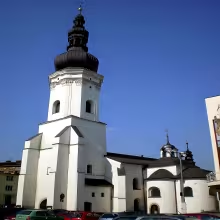
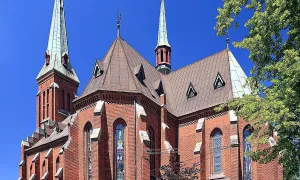
The Church of Saint Wenceslas in Ostrava is one of the city's oldest and most significant cultural, historical, and religious monuments. Situated on the eastern edge of historic Ostrava's core within Moravská Ostrava district, this three-nave basilica showcases architectural evolution from Romanesque to Gothic, with later Renaissance and Baroque influences. Its proximity to the Diocese of Ostrava-Opava enhances its historical importance.
The church dates back to the second half of the 13th century when a single-nave structure was built. After suffering fire damage shortly after 1300, it was reconstructed as a two-nave building with a pentagonal vaulted presbytery by mid-14th century. By then, it had evolved into a three-nave Gothic basilica featuring an octagonal presbytery and truss roof. Legend suggests the site once hosted a pagan shrine where Saints Cyril and Methodius preached, though this is undocumented.
Architecturally, the church underwent significant transformations over centuries. The original Romanesque structure was replaced by a Gothic basilica with an octagonal presbytery and truss roof. In the early 16th century, it expanded into a three-nave basilica incorporating Renaissance elements like Corinthian columns and network vaulting. Fragments of Renaissance wall paintings depicting scenes from the Old and New Testaments were discovered in the presbytery, adding to its artistic significance.
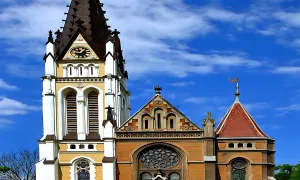
Throughout history, the church experienced various changes under different administrations. In 1583, it was newly roofed with Renaissance architectural elements, including decorative paintings and arches. The Gothic tower, originally topped by a Renaissance parapet, now features a Baroque onion dome. Over time, further modifications included a 19th-century renovation in the style of classicism, which removed some Gothic elements.
Key events include its expansion into a three-nave basilica in the early 16th century and the installation of network vaulting in 1539. The tower was rebuilt after fire damage in 1540, with contributions from Bernard Leone and Joannes Rinolt. In the late 19th century, it underwent major renovation under architect Richard Völkela, restoring its Gothic elements.
Today, the Church of Saint Wenceslas remains an accessible site for visitors interested in architectural history and religious heritage. Its blend of Romanesque, Gothic, Renaissance, and Baroque styles offers a unique glimpse into the region's cultural evolution. The church continues to be a testament to Ostrava's rich historical tapestry, inviting exploration and appreciation from those who visit.
Historical milestones
- 1297
- Indirect evidence of an Ostrava parish priest.
- 1310
- Construction of the presbytery with a rectangular sacristy began.
- 1350
- Completion of the church nave.
- 1539
- Installation of network vaulting in the northern nave.
- 1583
- The building was newly roofed and received Renaissance architectural elements.
Architectural development
The original single-nave Romanesque structure from the late 13th century was replaced by a two-nave building with a pentagonal presbytery after a fire. By mid-14th century, it evolved into a three-nave Gothic basilica with an octagonal presbytery and truss roof. The church underwent further modifications in the Renaissance period, including network vaulting and decorative paintings.
Historical events
The first church was built in the second half of the 13th century and was a single-nave structure. It suffered damage from a fire shortly after 1300, leading to its reconstruction as a two-nave building with a pentagonal vaulted presbytery by the mid-14th century.
In the early 16th century, the church was expanded into a three-nave basilica and underwent significant architectural changes including Renaissance elements such as Corinthian columns and network vaulting.
Points of interest
- The Church of Saint Wenceslas is rumored to have been built on the site of a pagan shrine where Saints Cyril and Methodius once preached, although there's no documented evidence supporting this legend.
- In 1583, the church received a new Renaissance-style roof adorned with decorative paintings and arches, reflecting the artistic trends of that era which were rare in ecclesiastical architecture at the time.
Guide
Show guide text
Welcome to the historic Church of Saint Wenceslas in Ostrava, a site brimming with cultural and historical significance. As you stand here on the eastern edge of Ostrava's historic core, take a moment to absorb the grandeur before you: a three-nave basilica that whispers tales from centuries past.
Let’s delve into its origins. The church's story begins in 1297 when there is indirect evidence suggesting an Ostrava parish priest. By 1310, construction of the presbytery with a rectangular sacristy commenced, marking the start of this architectural marvel. Over the next century, by 1350, the church nave was completed, serving as a spiritual haven for generations.
The architecture is truly captivating. Notice how the Gothic tower rises majestically beside you, originally topped with a Renaissance parapet but now crowned with an elegant Baroque onion dome. This blend of styles reflects the church's evolution over time. In 1539, the northern nave was adorned with network vaulting, adding to its intricate beauty.
Fast forward to 1583, when the church embraced the Renaissance spirit once more. It received a new roof featuring decorative elements that echo the artistic fervor of the era. While many architects remain unknown, their vision has left an indelible mark on this sacred site.
As you explore further, consider the legends surrounding this place. There is a rumor that it was built atop a pagan shrine where Saints Cyril and Methodius once preached, although no documented evidence supports this intriguing tale.
Now, as we conclude our journey through time and architecture, I invite you to continue exploring this remarkable church. Discover its hidden stories and let your imagination wander through the corridors of history. Thank you for joining me on this exploration; may it inspire a deeper appreciation for Ostrava's rich heritage.
Tips for visitors
The Church of Saint Wenceslas in Ostrava is best visited during the late spring or early fall when the weather is pleasant, allowing visitors to comfortably explore both the church's interior and its surroundings. These seasons offer mild temperatures perfect for walking around Moravská Ostrava and enjoying outdoor activities nearby. Additionally, visiting outside of peak tourist season means fewer crowds, providing a more serene experience as you admire this historic monument.
Parking near the Church of Saint Wenceslas can be challenging due to its central location in Moravská Ostrava. Public transportation is recommended for ease and convenience. Trains and buses frequently serve the area, making it accessible without needing to navigate local traffic or find parking spaces. For those who prefer driving, look for nearby public parking areas, but remember to verify current availability and regulations.
When visiting the Church of Saint Wenceslas, consider bringing a camera to capture its architectural beauty and historical details. The best spots for photography are inside the church where natural light filters through stained glass windows, creating vibrant patterns on the floors and walls. Early morning or late afternoon visits can provide optimal lighting conditions. Outside, capturing the church's silhouette against the sky during golden hours can yield stunning images.
For families with children, the Church of Saint Wenceslas offers a rich cultural experience that combines history with storytelling. Engage your kids by exploring the chapels and discussing the significance of various artworks and architectural features. Nearby, within 30 minutes, you can visit other attractions like the Ostrava Castle or explore local parks for some outdoor fun. These activities provide a balanced day out, mixing education with leisure.
Businesses nearby
Accommodation nearby
Themed route
Tematická výletní trasa: Kostel svatého Václava v Ostravě
1. Kostel svatého Václava, Moravská Ostrava - Typ: Náboženská památka - Proč stojí za návštěvu: Tento barokní kostel je významnou kulturní a historickou památkou, která přitahuje svou architekturou a duchovním významem. Je známý jako "malá Praha" kvůli svému podobenství s pražskými kostely.
2. Nádvoří kostela - Typ: Historické nádvoří - Proč stojí za návštěvu: Nádvoří nabízí klidnou atmosféru pro relaxaci a pochopení historického kontextu kostela. Je to ideální místo k prohlídce a reflektování nad architektonickými detaily.
3. Věž kostela - Typ: Historická věž - Proč stojí za návštěvu: Vystoupení na věž nabízí jedinečný pohled na okolní Moravskoslezský kraj. Je to nejen technické dobrodružství, ale také příležitost prohlédnout si historickou konstrukci zevnitř.
4. Expozice v kostele - Typ: Historická expozice - Proč stojí za návštěvu: Expozice poskytuje hlubší vhled do historie a kulturního významu kostela, zobrazující jeho roli ve společnosti po staletí. Je to skvělá příležitost prozkoumat umělecká díla a historické artefakty.
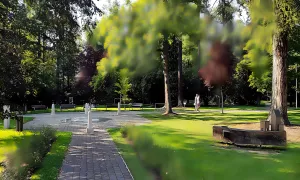
5. Park u kostela - Typ: Místní park - Proč stojí za návštěvu: Park nabízí příležitost pro krátkou procházku nebo odpočinek v klidné a zelené oblasti. Je to ideální místo k relaxaci po prohlídce kostela.
Tato trasa umožňuje návštěvníkům hluboce se ponořit do historie a architektury Kostela svatého Václava, zatímco si užívají klidné okolní prostředí.
Seasonal recommendations
Spring: Visiting the Church of Saint Wenceslas in Ostrava during spring offers a unique experience as nature begins to awaken around this historic site. The surrounding Moravian landscape is painted with vibrant hues from blooming flowers, creating an enchanting atmosphere that complements the church's architectural beauty. This time of year often sees milder temperatures and longer days, making it ideal for exploring both the interior and exterior features of the church. Visitors should consider wearing comfortable layers due to variable weather conditions and plan their visit during weekdays or early mornings to avoid larger crowds as spring attracts many outdoor enthusiasts.
Summer: The summer months bring a lively atmosphere to the Church of Saint Wenceslas, with warm sunshine enhancing the beauty of its architecture. This period is characterized by longer daylight hours, allowing ample time for exploration and photography in optimal lighting conditions. However, the church can attract more visitors during this peak tourist season, especially on weekends and holidays. To ensure a pleasant visit, it's advisable to arrive early in the morning when temperatures are cooler and before crowds gather. Wearing light clothing is recommended, along with comfortable footwear if you plan to explore nearby areas.
Autumn: Autumn presents a picturesque setting for visiting the Church of Saint Waveslas, as the surrounding foliage transforms into rich shades of red, orange, and gold. The cooler weather creates a serene atmosphere that enhances the church's historical charm. This season is ideal for those who appreciate quieter visits, as it tends to be less crowded compared to summer. Visitors should dress in layers to accommodate fluctuating temperatures throughout the day and consider bringing a light jacket or sweater for the crisp evenings. Early morning visits can provide a peaceful experience with softer natural lighting.
Winter: The winter season offers a unique charm at the Church of Saint Wenceslas, as snow blankets the surrounding landscape, creating a magical backdrop that accentuates its architectural details. This period often sees shorter daylight hours and colder temperatures, which contribute to a quieter, more contemplative atmosphere around the church. Visitors should dress warmly in layers and consider bringing gloves and hats for comfort during their visit. It's also advisable to check opening times as they may be reduced during this season. Early visits are recommended to avoid any potential closures due to inclement weather and to enjoy the serene winter setting before crowds arrive later in the day.
Visualizations and artistic views

Vizualizace jsou generovány umělou inteligencí a slouží jako inspirace.


Atmosphere of the place
Atmospheric visualization of the setting and era
Tips from visitors
No tips yet. Be the first!
Log in and add your tip.
Reviews and comments