





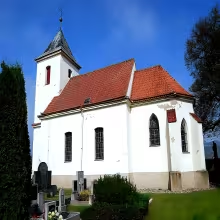
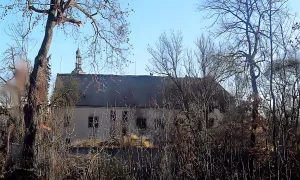
The Church of Saint Wenceslas in Brozánky is a Roman Catholic filial church showcasing both Gothic and Baroque architectural styles. Situated on a gentle rise above Bílina near the village center and railway station, this cultural monument has been protected since 1963 due to its historical significance. Originally built in the Gothic style during the 14th century, it was first mentioned in records from 1352. The church underwent significant reconstruction in 1718, transforming into its current Baroque form. This change reflects broader European architectural trends of the time and highlights the region's rich cultural heritage.
The Church of Saint Wenceslas was constructed when Bohemia was part of the Holy Roman Empire, a period marked by significant Gothic architectural development across Europe. Its initial construction in the 14th century aligns with this trend, showcasing intricate and spiritual Gothic design. The church's first recorded mention in 1352 indicates its longstanding presence and importance within the community.
Architecturally, the Church of Saint Wenceslas is notable for blending Gothic and Baroque elements. It features an oblong Baroque nave with lunettes and barrel vaulting, while the presbytery retains a three-sided closed Gothic design. A distinctive spire topped by a pyramidal roof adds to its visual appeal. The church's windows are another highlight; the nave houses rectangular, segmentally arched windows set in stucco frames, whereas the presbytery features pointed windows with false tracery from the late 19th century. Inside, the nave boasts a barrel vault with lunettes, and the presbytery is adorned with ribbed cross-vaulting that culminates in a star-shaped finish.
Throughout its history, the church has undergone several renovations to preserve its structure and artistic elements. Notably, it was restored in 1718 during its transformation into Baroque style, which also included significant changes to its interior furnishings. The main altar, originally Gothic from around 1500, was part of this restoration. It is a tripartite winged altarpiece featuring movable painted wings and an image of Saint Wenceslas at the center. Above the altar, a Madonna with Child painting adds to its religious significance. Although some parts of the altar were heavily repainted in the early 20th century, it remains a focal point within the church.
The Church of Saint Wenceslas is surrounded by additional historical features that enhance its cultural landscape. Nearby stands a statue of Piety from the mid-18th century, adorned with reliefs depicting the Holy Trinity, Saint Anne, and Saint Francis of Assisi. This statue adds to the spiritual ambiance of the area and reflects the artistic endeavors of the period.
Today, the Church of Saint Wenceslas remains an accessible site for visitors interested in exploring its historical and architectural significance. Its preservation as a cultural monument ensures that it continues to be a focal point of Brozánky's heritage. Visitors can appreciate not only the church itself but also the serene setting provided by the surrounding cemetery and the nearby statue of Piety.
The Church of Saint Wenceslas offers a unique glimpse into the architectural evolution from Gothic to Baroque styles, making it a valuable site for both historical enthusiasts and casual visitors alike. Its rich history and preserved beauty invite exploration and appreciation, ensuring its continued relevance in the cultural tapestry of Brozánky.
Historical milestones
- 14th century
- The original building of the church in Gothic style.
- 1352
- First mention of the church in historical records.
- 1718
- Significant reconstruction into Baroque style.
- 1963
- Preservation as a cultural monument.
Architectural development
Originally a Gothic structure from the 14th century, the Church of Saint Wenceslas was transformed into its present Baroque style by 1718. It features an oblong nave with lunettes and barrel vaulting, while the presbytery has ribbed cross-vaulting. The church underwent repairs in the 1970s and 1980s.
Historical events
The original Gothic church was first mentioned in 1352.
The church underwent significant reconstruction to its current Baroque form in 1718.
Points of interest
- The Church of Saint Wenceslas is unique for its blend of Gothic and Baroque styles, reflecting a rare architectural transition that mirrors broader European trends during the early 18th century.
- Despite being primarily known as a Roman Catholic site, the church's interior features an altarpiece with movable painted wings, suggesting influences from Eastern Orthodox traditions where iconostasis screens are common.
Guide
Show guide text
Welcome to the Church of Saint Wenceslas in Brozánky, a remarkable fusion of history and architecture nestled gently above Bílina near the heart of this charming village. As you stand here with your headphones on, let me guide you through the layers of time that have shaped this unique site.
Imagine stepping back into the 14th century when this church first rose in Gothic style. Its origins are shrouded in mystery, as the original architects remain unknown to us today. Yet, their vision laid a foundation not just for a building but for centuries of stories and transformations. The first historical mention of this church dates back to 1352, marking its significance early on.
As you gaze upon the structure before you, notice how it harmoniously blends Gothic and Baroque elements. The oblong Baroque nave captures your eye with its graceful lines, while a three-sided closed Gothic presbytery hints at the church's earlier architectural roots. This blend is a testament to the church’s ability to adapt and evolve through time.
In 1718, this church underwent significant reconstruction into the Baroque style, reflecting broader European trends of that era. The transition from its original Gothic form to Baroque not only transformed its aesthetic but also enriched its cultural narrative, making it a unique example of architectural evolution in Europe.
While much about the church's early history and key figures involved in its construction remains shrouded in mystery, the Church of Saint Wenceslas has stood as a silent witness to countless stories. Its status as a protected cultural monument since 1963 underscores its importance not just to Brozánky but also to our understanding of regional history.
One intriguing aspect that sets this church apart is its interior altarpiece. Despite being primarily recognized as a Roman Catholic site, the altarpiece invites reflection on the diverse influences and artistic expressions that have permeated through its walls over centuries.
As we conclude this auditory journey, I invite you to linger a little longer, absorbing the atmosphere of this historic place. Explore further, imagine the lives touched by these stones, and let the Church of Saint Wenceslas in Brozánky inspire you with its resilience and beauty. Thank you for joining me today, and may your visit be as enriching as the history that surrounds us.
Businesses nearby
Do you run a restaurant, accommodation, shop, museum, rental, wellness or other visitor service near this monument? Show yourself directly to the people heading to it — this is how they will see you in the app and on the web:
Nearby
Nearby Brozánky features a statue of Piety from the mid-18th century, adorned with reliefs depicting the Holy Trinity, Saint Anne, and Saint Francis of Assisi.
Accommodation nearby
Trips and activities nearby
Guided tours, tickets and activities nearby from GetYourGuide
Search tours and activities →Themed route
Thematic Walking Tour: Brozánky
1. Kostel svatého Václava (Brozánky) - Church Begin your journey at the heart of Brozánky with the charming Church of Saint Wenceslas. This historic church is a testament to the rich cultural and religious heritage of the region, offering visitors a glimpse into its architectural beauty and spiritual significance.
2. Statue of Piety - Sculpture A short walk from the church will lead you to the nearby Statue of Piety, dating back to the mid-18th century. This exquisite sculpture is adorned with reliefs depicting the Holy Trinity, Saint Anne, and Saint Francis of Assisi, making it a must-see for those interested in religious art and history.
3. Church Surroundings - Exploration Take some time to explore the immediate surroundings of the church. The area offers a serene environment perfect for reflection or simply enjoying the tranquility of Brozánky's historic landscape. Notice any architectural details on the church itself, such as its façade or bell tower, which add to its historical charm.
4. Reliefs and Details - Artistic Appreciation Return your focus to the Statue of Piety and spend a moment appreciating the intricate reliefs that adorn it. Each figure tells a story, inviting visitors to delve deeper into the religious narratives they represent. This piece is not only an artistic marvel but also a cultural landmark in Brozánky.
5. Reflection at the Church - Spiritual Experience Conclude your tour by returning to the Church of Saint Wenceslas for a moment of reflection or prayer. The church's peaceful atmosphere provides a perfect setting to contemplate the historical and spiritual journey you've just experienced, leaving you with lasting impressions of Brozánky's heritage.
This thematic walking tour offers a compact yet enriching exploration of Brozánky’s religious landmarks, ideal for those interested in history, art, and spirituality.
Seasonal recommendations
Spring: Visiting the Church of Saint Wenceslas during spring offers a unique experience as nature begins to awaken around Brozánky. The surrounding landscape is adorned with blooming flowers and fresh greenery, creating a vibrant backdrop that enhances the historical charm of the church. The soft morning light filters through the stained glass windows, casting colorful patterns inside the sanctuary. This season sees moderate visitor numbers, making it an ideal time for those seeking a peaceful exploration. It's advisable to wear comfortable walking shoes as you explore the grounds and bring along a light jacket in case of cool breezes.
Summer: Summer is the peak season for visiting the Church of Saint Wenceslas, with long days providing ample daylight to appreciate its architectural details. The lush greenery surrounding the church offers picturesque settings for photography enthusiasts. However, this period also attracts larger crowds, so it's best to arrive early in the morning or later in the afternoon to avoid the busiest times. Light clothing is recommended due to warmer temperatures, and carrying water is essential to stay hydrated during your visit.
Autumn: Autumn brings a stunning display of colors as the leaves around Brozánky transform into shades of red, orange, and gold. The church appears particularly serene against this colorful backdrop, creating an atmospheric setting that's perfect for photography or quiet reflection. Visitor numbers tend to decrease compared to summer, offering a more intimate experience. Layered clothing is advisable due to cooler temperatures, and it’s wise to check the opening hours as they may be reduced during this season.
Winter: Winter offers a unique charm at the Church of Saint Wenceslas with its snow-covered surroundings providing a picturesque scene that enhances the church's historic appeal. The shorter days mean fewer visitors, allowing for a more tranquil visit. However, it’s important to dress warmly in layers and wear sturdy boots due to potentially icy conditions. Opening hours may be limited during this season, so planning your visit in advance is recommended to ensure you can fully enjoy what the church has to offer.
Visualizations and artistic views

Vizualizace jsou generovány umělou inteligencí a slouží jako inspirace.


Tips from visitors
No tips yet. Be the first!
Log in and add your tip.

Reviews and comments