





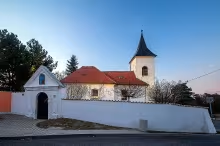
The Church of Saint Procopius in Hrnčíře is a Roman Catholic filial church located within the Prague district of Šeberov. Dating back to the late 13th or early 14th century, it stands as one of the oldest surviving structures on Prague's territory. Originally constructed in the Early Gothic style, this historical monument underwent significant Baroque renovations around 1700 and is dedicated to the Czech saint Procopius. Its enduring presence and architectural evolution make it a notable site for visitors interested in religious history and architecture.
The Church of Saint Procopius was built during a period when Bohemia was part of the Holy Roman Empire under King Wenceslaus II, a time marked by significant Gothic architectural developments across Europe. This context influenced its original design as an Early Gothic structure with a simple plan featuring a spire-like tower. The church's dedication to Saint Procopius underscores its religious significance in the region.
Architecturally, the Church of Saint Procopius began as a modest, single-nave building characterized by straightforward design and minimal detailing. By the late 17th century, it was transformed into the Baroque style, which brought notable interior changes including a carved Baroque altar and pews. These renovations reflect broader architectural trends during that era, where simplicity gave way to more ornate designs.
Throughout its history, the church has seen various administrative developments, such as the establishment of a plebánie in 1352, marking an important ecclesiastical milestone for the community. The Baroque renovations around 1700 signify a period of transformation not only in style but also in the church's role within its local context.
The surrounding area includes a cemetery where residents from Šeberov, Hrnčíře, and Kateřinky were historically buried. This cemetery was replaced by a new one established at the intersection of K Labeškám and K Hrnčířům streets in 1896, reflecting changes in local burial practices over time.
Today, the Church of Saint Procopius remains an active place of worship with Mass celebrated every Sunday at 11:00 AM. It has undergone restoration towards the end of the 20th century to preserve its historical integrity and continues to serve as a spiritual center for the community. The church's rich history and architectural evolution make it a worthwhile visit for those interested in exploring Prague's religious heritage.
The Church of Saint Procopius offers visitors a unique glimpse into the past, showcasing both Gothic and Baroque influences within its walls. Its historical significance, coupled with its ongoing role as a place of worship, invites exploration and appreciation from all who are curious about Prague's architectural and cultural legacy.
Historical milestones
- 1352
- A plebánie was established at this location.
- 1700
- The church underwent Baroque renovations.
Architectural development
The Church of Saint Procopius began as an Early Gothic structure with a simple architectural design and a spire-like tower. By the late 17th century, it was transformed into the Baroque style, which included significant interior changes such as the addition of a carved Baroque altar and pews. The church has been restored in recent decades to preserve its historical integrity.
Historical events
In 1352, a plebánie was established at this location.
The church underwent Baroque renovations around the year 1700.
Points of interest
– The Church of Saint Procopius is one of the oldest surviving structures in Prague, dating back to the late 13th or early 14th century. This makes it a rare example of Early Gothic architecture that has endured through centuries of change.
– Interestingly, the church was originally built during King Wenceslaus II's reign when Bohemia was part of the Holy Roman Empire. This political context influenced its architectural style and religious significance in the region.
Guide
Show guide text
Welcome to the Church of Saint Prokop in Hrnčíře, a hidden gem nestled within the Prague district of Šeberov. As you stand here, take a moment to absorb the serene atmosphere surrounding this historic structure. The church's façade, though weathered by time, still whispers tales from centuries past.
This remarkable edifice dates back to the late 13th or early 14th century, making it one of Prague’s oldest surviving buildings. It was originally constructed in the Early Gothic style, a testament to the architectural ingenuity of its era. Over the years, it has witnessed significant transformations, most notably around 1700 when it underwent Baroque renovations. These changes introduced a carved Baroque altar and pews, adding layers of history and artistry to this sacred space.
Let’s delve into its storied past. In 1352, a plebánie was established here, marking the church's importance as a spiritual center for the community. Although the architects who laid its first stones remain unknown, their vision has endured through the ages.
As you look around, notice how the Baroque elements blend with the original Gothic foundations. The carved altar and pews invite you to imagine the countless worshippers who have found solace within these walls over centuries.
While specific historical figures associated with this church may be shrouded in mystery, its very existence is a narrative of resilience and adaptation. It stands as a rare example of Early Gothic architecture that has survived through tumultuous times, adapting yet retaining its essence.
An intriguing aspect of the Church of Saint Prokop is how it encapsulates the evolution of architectural styles within a single structure. From its early Gothic beginnings to the Baroque embellishments, each layer tells a story of cultural and artistic shifts in Prague's history.
As we conclude our journey through this historic site, I invite you to explore further and let your imagination wander through the corridors of time. May the Church of Saint Prokop inspire you with its enduring beauty and rich heritage. Thank you for joining me on this auditory exploration.
Businesses nearby
Do you run a restaurant, accommodation, shop, museum, rental, wellness or other visitor service near this monument? Show yourself directly to the people heading to it — this is how they will see you in the app and on the web:
Nearby
Surrounding the church is a cemetery where residents of Šeberov, Hrnčíře, and Kateřinky were historically buried. A new cemetery was established in 1896 at the intersection of K Labeškám and K Hrnčířům streets.
Accommodation nearby
Trips and activities nearby
Guided tours, tickets and activities nearby from GetYourGuide
Search tours and activities →Themed route
Thematic Walking Tour: Kostel svatého Prokopa v Hrnčířích
1. Kostel svatého Prokopa: Begin your journey at the heart of this tour, the Church of Saint Procopius in Hrnčíře. This historic church is a testament to the architectural and cultural heritage of the region. Its serene atmosphere and beautiful interior make it a must-visit for anyone interested in religious history or architecture.
2. Old Cemetery: A short walk from the church, you'll find the old cemetery that surrounds Kostel svatého Prokopa. This site is significant as it was historically used by residents of Šeberov, Hrnčíře, and Kateřinky for burials. The cemetery offers a quiet space to reflect on the past inhabitants of these villages and provides insight into local customs and traditions.
3. New Cemetery at K Labeškám and K Hrnčířům: Continue your exploration by visiting the new cemetery established in 1896, located at the intersection of K Labeškám and K Hrnčířům streets. This site marks a shift in burial practices and offers a contrast to the older cemetery with its more modern design and layout. It's an interesting place for those curious about changes in cultural practices over time.
This tour provides a comprehensive look at the historical and cultural significance of the area surrounding Kostel svatého Prokopa, offering insights into both religious architecture and local traditions.
Seasonal recommendations
Spring: Visiting the Church of Saint Procopius in Hrnčíře during spring offers a unique experience as nature awakens around this historic site. The surrounding landscape bursts into life with vibrant wildflowers and fresh greenery, creating an enchanting atmosphere that complements the church's serene beauty. This season is characterized by longer daylight hours, allowing visitors to enjoy extended sightseeing opportunities. However, it can also attract more tourists eager to witness the natural revival, so arriving early in the day helps avoid larger crowds. Comfortable walking shoes and a light jacket are advisable due to occasional spring showers.
Summer: Summer at the Church of Saint Procopius is marked by warm weather and lush surroundings, making it an ideal time for outdoor exploration. The area's greenery reaches its peak vibrancy, providing a picturesque backdrop to the historic structure. This season often sees increased visitor numbers, especially during weekends and holidays, so planning your visit on weekdays or arriving early can help avoid crowds. Sun protection is essential, including hats, sunglasses, and sunscreen, while light, breathable clothing will keep you comfortable in the heat.
Autumn: Autumn brings a stunning display of colors to the Church of Saint Procopius as the leaves transform into shades of red, orange, and gold. This seasonal change creates a magical atmosphere that enhances the church's historic charm. The cooler temperatures make for pleasant walking conditions, though visitors should be prepared for unpredictable weather with a mix of sunny days and potential rain showers. Layered clothing is recommended to adjust to fluctuating temperatures throughout the day.
Winter: Winter offers a serene and tranquil experience at the Church of Saint Procopius, as snow blankets the landscape, creating a picturesque scene reminiscent of a winter postcard. The shorter daylight hours mean that visits should be planned earlier in the day to make the most of natural light. With fewer tourists during this season, it's an excellent opportunity for those seeking a quieter exploration of the site. Warm clothing is essential, including coats, hats, and gloves, to stay comfortable while enjoying the peaceful winter atmosphere.
Visualizations and artistic views

Vizualizace jsou generovány umělou inteligencí a slouží jako inspirace.


Tips from visitors
No tips yet. Be the first!
Log in and add your tip.

Reviews and comments