




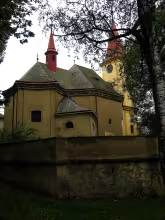
Kostel svatého Prokopa in Chotouň is a notable baroque church, originally constructed as a private chapel between 1708 and 1710. Designed by Jan Blažej Santini, this architectural gem was later expanded into a parish church with the addition of a sacristy from 1814 to 1816. Located in the rural setting of Chotouň within Středočeský kraj, it stands as a testament to Bohemia's cultural flourishing during the Baroque period under the Habsburg Monarchy.
The origins of Kostel svatého Prokopa are intertwined with local legend and history. According to legend, Saint Procopius was born in Chotouň, linking him to several sites in the area, including this church. Initially, a small chapel built in 1584 at the Prokopský dvůr served as a spiritual center for occasional stays by its noble owners and local residents. However, it was destroyed during the Thirty Years' War in 1632. The current structure's construction began under Rosalie Berková z Dubé, who commissioned Jan Blažej Santini to design the chapel after her brother František Antonín Berka z Dubé failed to rebuild it before his death.
Architecturally, Kostel svatého Prokopa showcases typical elements of Santini's style. The church features an octagonal nave leading into a hexagonal chancel with concave walls, reflecting the depth and complexity characteristic of Baroque architecture. Despite some rustic execution due to local craftsmanship, it retains distinctive motifs found in Santini’s more renowned works. Over time, the church underwent several modifications: a sacristy was added between 1814 and 1816, and around 1900, a bell tower was constructed on its western side following the demolition of an older structure.
Ownership and administration of Kostel svatého Prokopa have seen significant changes. Initially built by Rosalie Berková z Dubé, it later came under the ownership of Jan Ignác Mladota ze Solopysk after 1715. In 1807, the local community purchased the chapel to convert it into a parish church, ensuring its survival during Josephinian reforms when many religious sites faced closure.
Throughout its history, Kostel svatého Prokopa has witnessed several key events and curiosities. Notably, during the early 19th century, it narrowly avoided closure by being classified as a private chapel rather than a public one. This classification allowed it to remain operational despite financial challenges faced by its owners.
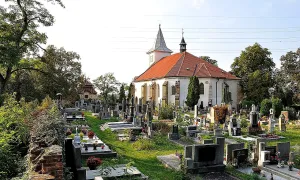
Today, Kostel svatého Prokopa is preserved as part of Czech cultural heritage, with its site and surrounding cemetery wall featuring baroque statues of Saints Vojtěch and Prokop. The church has undergone various restorations, notably in 1856 and between 2019-2023, ensuring its structural integrity and aesthetic appeal for future generations.
Visiting Kostel svatého Prokopa offers a glimpse into the rich cultural tapestry of Bohemia during the Baroque period. Its architectural beauty and historical significance make it a worthwhile destination for those interested in exploring the region's heritage.
Historical milestones
- 1584
- The original chapel was built on Prokopský dvůr.
- 1632
- The chapel was destroyed during the Thirty Years' War.
- 1708
- Began construction of a new chapel under the leadership of Rosalie Berková z Dubé.
- 1710
- Completion of the Baroque chapel designed by Jan Blažej Santini.
- 1814
- The chapel was rebuilt into a parish church with the addition of a sacristy.
- 1900
- A tower was built on the western side of th
Architectural development
The church was initially built as a private chapel by Rosalie Berková z Dubé, with Jan Blažej Santini's involvement. It underwent significant changes in the early 19th century to become a parish church, including the addition of a sacristy and later a bell tower around 1900. The structure has seen various restorations over the years, notably in 1856 and between 2019-2023.
Historical events
Construction completed and consecrated in 1710.
Expanded to a parish church between 1814-1816.
Owners
Rosalie Berková z Dubé (post-1708)
Jan Ignác Mladota ze Solopysk (after 1715)
Local community (from 1807)
Points of interest
- The church's initial construction as a private chapel was commissioned by Rosalie Berková z Dubé after her brother František Antonín Berka z Dubé could not complete the rebuilding efforts before his death. - Despite its Baroque elegance, some architectural elements of Kostel svatého Prokopa exhibit rustic execution due to local craftsmanship limitations at the time of construction.
Guide
Show guide text
Welcome to the historical site of Kostel svatého Prokopa in Chotouň, a testament to the Baroque elegance and intriguing history that has shaped this region over centuries. As you stand before this architectural marvel, take a moment to absorb its presence—a harmonious blend of structure and spirit.
The story of this church begins with a private chapel built between 1708 and 1710, designed by the renowned Jan Blažej Santini. Initially commissioned by Rosalie Berková z Dubé after her brother František Antonín Berka z Dubé's untimely death halted earlier rebuilding efforts, this chapel was intended as a personal sanctuary. The tumultuous history of Chotouň is evident here; the original chapel from 1584 was destroyed during the Thirty Years' War in 1632. This resilient site rose again, embodying both the sorrow and hope of its patrons.
As you gaze upon Kostel svatého Prokopa, notice the octagonal nave leading to a hexagonal chancel with concave walls—a distinctive feature of Santini’s style that invites contemplation. The church's transformation into a parish church between 1814 and 1816 added a sacristy, enhancing its communal role in this picturesque Středočeský kraj landscape.
Reflect on the key figures who shaped this site: Rosalie Berková z Dubé, whose determination saw the chapel through to completion, and her brother František Antonín Berka z Dubé, whose initial vision laid the groundwork for what stands before you today. Their legacy is etched into every stone of this building.
One intriguing aspect of Kostel svatého Prokopa is its rustic execution despite its Baroque elegance—a reminder of the challenges faced during construction and the era's resource constraints. This juxtaposition adds a layer of depth to your experience, inviting you to ponder the stories behind each architectural choice.
As you conclude your visit, I encourage you to explore further, perhaps by noticing how the church interacts with the surrounding landscape or imagining the historical events that have unfolded here. Thank you for taking this journey through time and architecture at Kostel svatého Prokopa. May your exploration inspire a deeper appreciation of history's enduring narratives.
Tips for visitors
The best time to visit Kostel svatého Prokopa in Chotouň is during late spring or early autumn when the weather is pleasant, and the natural light enhances the baroque architecture of the church. These seasons offer a comfortable climate for exploring outdoor areas like the surrounding cemetery with its baroque statues. Additionally, visiting outside of peak tourist season can provide a more serene experience, allowing you to appreciate the intricate details of the church's design without large crowds.
Parking and transportation options are convenient for visitors to Kostel svatého Prokopa. You can drive to Chotouň as there is parking available nearby, though it’s advisable to check local resources or maps for specific locations. For those preferring public transport, the church is accessible via regional bus services; however, you should verify current routes and schedules through a travel planner or local transportation website. This ensures a smooth journey to this historical site.
When planning your visit, consider bringing comfortable walking shoes as there may be some walking involved, especially if exploring the surrounding cemetery area. A camera is recommended to capture the stunning baroque architecture of the church and its statues. The best photography spots are likely around the entrance where natural light filters through beautifully, particularly in the morning or late afternoon when shadows add depth to your photos.
For families with children, Kostel svatého Prokopa offers a quiet and reflective environment that can be both educational and enjoyable. Engage children by explaining the historical significance of the church and its architectural style. Nearby, within 30 minutes, you can explore other historical sites in Chotouň, which provide additional opportunities for learning and discovery. These excursions can make for a fulfilling day trip filled with cultural enrichment.
Businesses nearby
Do you run a restaurant, accommodation, shop, museum, rental, wellness or other visitor service near this monument? Show yourself directly to the people heading to it — this is how they will see you in the app and on the web:
Nearby
Surrounded by a cemetery wall with baroque statues of Saints Vojtěch and Prokop, the church is located in a rural setting near other historical sites within Chotouň.
Accommodation nearby
Trips and activities nearby
Guided tours, tickets and activities nearby from GetYourGuide
Search tours and activities →Themed route
Thematic Walking Tour: Chotouň and the Church of Saint Prokop
1. Church of Saint Procopius (Chotouň) - Type: Historical Religious Site - Why Visit: The Church of Saint Procopius stands as a serene testament to rural architectural beauty, surrounded by a cemetery wall adorned with baroque statues of Saints Vojtěch and Prokop. Its tranquil setting offers visitors an intimate glimpse into the region's spiritual heritage and artistic craftsmanship.
2. Cemetery Wall with Baroque Statues - Type: Historical Artwork - Why Visit: The cemetery wall, featuring baroque statues of Saints Vojtěch and Prokop, provides a unique cultural experience that complements the church's historical significance. These statues are not only artistic treasures but also serve as spiritual guardians of the sacred site.
3. Surrounding Rural Landscape - Type: Natural Setting - Why Visit: The rural landscape surrounding the Church of Saint Procopius offers a peaceful retreat into nature, allowing visitors to appreciate the harmonious blend of natural beauty and historical architecture. This setting enhances the contemplative atmosphere of the site.
This thematic tour is designed to immerse you in the rich cultural and spiritual history of Chotouň, focusing on its most significant landmarks within a serene rural environment.
Seasonal recommendations
Spring: Visiting the Church of Saint Procopius (Chotoun) during spring offers a unique experience as nature awakens around this historic site. The surrounding landscape is adorned with blossoming flowers and fresh greenery, creating a vibrant backdrop that enhances the church's architectural beauty. The gentle light of early spring mornings or late afternoons can cast a soft glow on the stonework, adding to its charm. Visitors should be prepared for occasional rain showers, so bringing an umbrella or waterproof jacket is advisable. This season typically sees fewer tourists, allowing for a more peaceful exploration.
Summer: Summer at the Church of Saint Procopius provides an ideal setting for enjoying both cultural heritage and pleasant weather. The lush greenery around Chotoun is in full bloom, offering picturesque views that complement the historic church. However, this is also the peak tourist season, so arriving early in the day can help avoid crowds. Comfortable walking shoes and light clothing are recommended due to warmer temperatures, along with sunscreen for protection against the sun. The longer daylight hours offer more time to explore the site thoroughly.
Autumn: Autumn brings a stunning display of colors to the Church of Saint Procopius as the leaves around Chotoun turn into shades of red, orange, and gold. This season provides a magical atmosphere that enhances the historical ambiance of the church. The cooler temperatures make for comfortable walking tours without the summer heat. Visitors should dress in layers to accommodate fluctuating weather conditions and consider bringing a light jacket or sweater as evenings can be chilly. While there are still visitors during this time, it is generally less crowded than in summer.
Winter: Winter at the Church of Saint Procopius offers a serene and almost mystical experience, with snow often blanketing the surrounding landscape, creating a picturesque scene that contrasts beautifully with the church's architecture. The shorter days mean limited visiting hours, so planning your visit during daylight is essential. Due to colder temperatures, dressing warmly in layers, including hats and gloves, is crucial for comfort. This season typically sees fewer visitors, allowing for a more intimate experience of this historic site amidst the quiet beauty of winter.
Visualizations and artistic views

Vizualizace jsou generovány umělou inteligencí a slouží jako inspirace.


Tips from visitors
No tips yet. Be the first!
Log in and add your tip.


Reviews and comments