





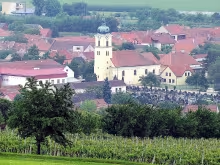
The Church of Saint Andrew in Blatnice pod Svatým Antonínkem is a Roman Catholic parish church located in the South Moravian Region. Constructed between 1714 and 1717, it stands as a cultural monument of the Czech Republic. This Baroque structure replaced an earlier Gothic church from around the 11th to 12th centuries, retaining only its tower. The church's historical significance is enhanced by its participation in events like the 'Night of Churches,' making it a notable site for visitors interested in religious architecture and history.
The Church of Saint Andrew has roots tracing back to approximately the 11th and 12th centuries when the original Gothic structure was built. By 1346, this church was documented in records, indicating its longstanding presence in the community. Over time, due to wars, fires, and other adversities, the original building deteriorated significantly. In response, a new Baroque church was constructed between 1714 and 1717 by architect Anton Ospela, replacing the dilapidated Gothic structure while preserving its tower.
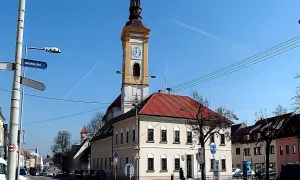
Architecturally, the Church of Saint Andrew is characterized by its single-nave design with a semi-circular apse, typical of Baroque style. The building features a lisened façade with three semicircular-arch windows and a saddle roof. A distinctive bell tower topped with a spire adorns the eastern side, housing a clock. To the south, a cylindrical annex contains a circular staircase, while a sacristy and square vestibule are attached to the nave. These elements reflect the Baroque emphasis on symmetry, grandeur, and detailed ornamentation.
Throughout its history, the church has undergone several significant changes and restorations. After a fire in 1829, repairs were made, including the addition of a sacristy. In 1888, it was adorned with paintings by artist Joža Uprka. The mid-20th century saw further renovations, particularly to the bell tower's superstructure. A comprehensive restoration took place in 2011, ensuring its preservation for future generations.
The church also houses an organ with a storied history. Originally installed in 1893 by Brauner from Uničov, it was replaced in 1964 by a new instrument from Rieger-Kloss of Krnov. In 2012, the organ underwent restoration funded by donations from parishioners, highlighting the community's dedication to maintaining its cultural heritage.
Today, the Church of Saint Andrew remains an active place of worship and is accessible to visitors interested in exploring its architectural beauty and historical significance. Its regular participation in events like the 'Night of Churches' underscores its role as a vibrant part of local culture. Visitors are encouraged to explore this remarkable monument, which not only serves as a testament to Baroque architecture but also stands as a symbol of resilience and community spirit throughout history.
Historical milestones
- 1717
- Construction of the current Baroque church completed.
- 1346
- The original Gothic church was first mentioned in records.
Architectural development
Originally built as a Gothic church, it was replaced by a Baroque structure between 1714 and 1717. The church features a single-nave design with a semi-circular apse and a bell tower topped with a spire. Over the years, it has undergone several renovations, including post-fire repairs in 1829 and a major restoration in 2011.
Historical events
The original church was built approximately between the 11th and 12th centuries and mentioned in records by 1346.
In 1717, the current Baroque structure replaced a deteriorating Gothic church.
A fire in 1829 led to repairs and the addition of a sacristy.
The church underwent significant restoration in 2011.
Points of interest
- Despite its Baroque construction between 1714 and 1717, the Church of Saint Andrew retains the tower from an earlier Gothic church dating back to the 11th or 12th century, symbolizing a unique blend of architectural eras.
- The church's organ has undergone significant changes since its installation in 1893 by Brauner from Uničov; it was replaced in 1964 and restored in 2012 with funds raised by parishioners, reflecting the community’s dedication to preserving their musical heritage.
Guide
Show guide text
Welcome to the Church of Saint Andrew in Blatnice pod Svatým Antonínkem! As you stand before this remarkable structure, take a moment to absorb its serene presence amidst the picturesque landscape of the South Moravian Region. This Roman Catholic parish church is not just a building; it's a tapestry woven with centuries of history and culture.
Let’s delve into the origins of this architectural gem. The current Baroque edifice was completed in 1717, replacing an earlier Gothic structure that first appeared in records as far back as 1346. This transition from Gothic to Baroque reflects both stylistic evolution and historical necessity, marking a period when communities sought renewal and grandeur.
As you explore the church’s architecture, notice its single-nave design leading into a semi-circular apse—a hallmark of Baroque simplicity yet elegance. The most striking feature is undoubtedly the tower that remains from the original Gothic church dating back to the 11th or 12th century. This blend of eras creates a unique architectural dialogue between past and present.
While specific historical figures associated with this church remain unknown, its story is told through stone and design. Imagine the countless generations who have walked these grounds, each contributing to its legacy.
Now, let’s uncover an intriguing facet: the organ housed within has undergone significant changes since its installation. This evolution of sound mirrors the church's own journey through time—adapting, surviving, and thriving.
As you continue your visit, take a moment to appreciate not just what meets the eye but also the stories embedded in every corner of this sacred space. The Church of Saint Andrew invites you to explore further, promising more discoveries with each step.
Thank you for joining us on this journey through history and architecture. We hope this experience has enriched your understanding and appreciation of this cultural monument. Enjoy the rest of your exploration!
Businesses nearby
Do you run a restaurant, accommodation, shop, museum, rental, wellness or other visitor service near this monument? Show yourself directly to the people heading to it — this is how they will see you in the app and on the web:
Accommodation nearby
Themed route
Thematic Tour Itinerary: Blatnice pod Svatým Antonínkem
1. Kostel svatého Ondřeje (Blatnice pod Svatým Antonínkem) - Church Begin your journey at the heart of Blatnice pod Svatým Antonínkem with a visit to the iconic Kostel svatého Ondřeja. This church is renowned for its stunning architecture and historical significance, offering visitors a glimpse into the region's rich cultural heritage. Explore the intricate details of its design and learn about its role in local history.
2. Místní muzeum (Local Museum) A short walk from the church will take you to the Místní muzeum. This museum is an excellent place to delve deeper into the town's past, showcasing artifacts and exhibits that tell the story of Blatnice pod Svatým Antonínkem through the ages. It's a must-visit for anyone interested in understanding the cultural evolution of this charming area.
3. Nádvoří kostela (Church Courtyard) Return to the vicinity of Kostel svatého Ondřeje and take some time to explore its beautiful nádvoří. The courtyard provides a serene environment for reflection, surrounded by the church's historic architecture. It's an ideal spot for photography enthusiasts or anyone looking to enjoy a peaceful moment in this picturesque setting.
4. Park u kostela (Church Park) Conclude your tour with a leisurely stroll through the park u kostela. This park offers lush greenery and tranquil pathways, perfect for unwinding after exploring the town's historical sites. It's a lovely place to relax, take in the natural beauty of the area, or simply enjoy a quiet moment amidst nature.
This itinerary provides a comprehensive experience of Blatnice pod Svatým Antonínkem, focusing on its most significant cultural and historical attractions within close proximity to each other.
Seasonal recommendations
Spring: Visiting the Church of Saint Andrew during spring offers a unique experience as nature awakens around Blatnice pod Svatým Antonínkem, with blossoming trees and vibrant wildflowers enhancing the church's historic beauty. The gentle light filtering through budding leaves creates a serene atmosphere perfect for reflection. Spring can bring unpredictable weather; therefore, visitors should dress in layers to accommodate temperature fluctuations. Early mornings or late afternoons are ideal times to explore when temperatures are milder and before larger crowds arrive.
Summer: Summer at the Church of Saint Andrew is characterized by long daylight hours that beautifully illuminate its architectural details, making it an excellent time for photography enthusiasts. The lush greenery surrounding Blatnice pod Svatým Antonínkem adds a picturesque backdrop to any visit. However, this season also attracts more visitors due to the pleasant weather and peak tourist season in Jihomoravský kraj. To avoid crowds, plan your visit early in the morning or later in the afternoon. Light, breathable clothing is recommended for comfort during warmer days.
Autumn: Autumn brings a magical transformation to the Church of Saint Andrew with its warm, golden light casting an enchanting glow over the historic structure. The surrounding landscape features rich autumnal colors that provide a stunning contrast against the church's stone façade. While this season offers fewer visitors than summer, it can still be quite popular due to the pleasant weather and harvest festivals in the region. Wearing layers is advisable as temperatures can vary significantly throughout the day, and carrying an umbrella is wise due to potential rain showers.
Winter: Winter at the Church of Saint Andrew presents a serene and tranquil atmosphere with snow-covered surroundings that create a picturesque setting for photography or quiet contemplation. The shorter days mean fewer visitors, allowing for a more intimate experience with this historic site. However, the church may have reduced hours during this season, so it's important to check in advance. Visitors should dress warmly in layers and wear comfortable footwear for walking on potentially icy paths. An early visit is recommended to make the most of daylight hours.
Visualizations and artistic views

Vizualizace jsou generovány umělou inteligencí a slouží jako inspirace.

Tips from visitors
No tips yet. Be the first!
Log in and add your tip.
Location on the map
More monuments – Blatnice pod Svatým Antonínkem
Show all in the municipality


Příběhy a pověsti
Legendy, pověsti a příběhy spjaté s touto památkou
Reviews and comments