





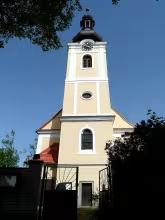
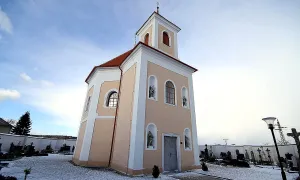
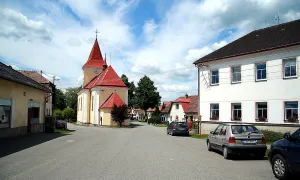
The Church of Saint John the Baptist in Mnich is a Roman Catholic parish church located in the village of Mnich within the Vysočina Region of the Czech Republic. This cultural monument reflects both religious devotion and architectural evolution, with origins dating back to at least the 13th century. Its significance lies not only in its historical architecture but also as part of an area that includes a still-used cemetery, marking it as a site of enduring community importance.
The earliest documented mention of the Church dates to 1384, although a structure likely existed on this site since the 13th century. Historical sources suggest that in the first half of the 14th century, the church was rebuilt in the Gothic style—a prevalent architectural trend across Europe during this period characterized by pointed arches and intricate designs. This era marked significant religious and architectural developments in Bohemia, reflecting broader European influences.
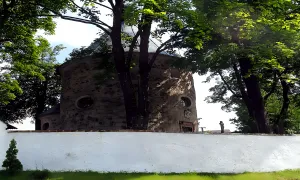
Architecturally, the church is notable for its preserved Gothic presbytery, featuring opěráky (buttresses) and a stone Gothic sanctuary. These elements highlight the craftsmanship of the period and provide insight into medieval ecclesiastical architecture. In the second half of the 18th century, the church underwent late Baroque modifications, including replacing an original wooden bell tower with a brick pyramidal one. This transformation reflects stylistic shifts over centuries as architectural tastes evolved.
Inside the church, visitors can find several significant artistic elements from different periods. The late Baroque main altar dates back to 1691 and is complemented by an altarpiece painted in 1871 by Bedřich Kamarýt. Additionally, there are two baroque side altars and a pulpit from the latter half of the 18th century. These pieces collectively illustrate the church's rich artistic heritage. The interior also houses twelve stone tombstones dating from the 16th and 17th centuries, offering a glimpse into the lives of those interred there.
Today, the Church of Saint John the Baptist remains an active parish church within the Roman Catholic community in Mnich. Its status as a cultural monument ensures its preservation for future generations to appreciate. Visitors can explore this site not only to admire its architectural and artistic features but also to experience a place that has served as a spiritual center for centuries. The inclusion of the cemetery adds another layer of historical depth, making it an intriguing destination for those interested in both religious history and cultural heritage.
The Church of Saint John the Baptist stands as a remarkable example of how architecture can evolve while retaining its core identity through different eras. Its preservation allows visitors to connect with the past and appreciate the continuity of community life centered around this sacred space. For anyone visiting Mnich, exploring this church offers an opportunity to delve into the rich tapestry of Czech history and culture.
Historical milestones
- kolem 1300
- První kostel na místě postaven.
- 1384
- Nejstarší dokumentovaná zmínka o kostele.
- první polovina 14. století
- Kostel přestavěn v gotickém stylu.
- druhá polovina 18. století
- Barokní úpravy, včetně nového kamenného věžníku.
- 1691
- Výzdoba hlavní oltáře z období pozdního baroka.
Architectural development
The church likely existed since the 13th century, with a new Gothic structure built in the first half of the 14th century. The preserved presbytery showcases Gothic architecture. In the late Baroque period, it was modified and received a brick pyramidal bell tower.
Historical events
First documented mention in 1384.
Underwent late Baroque modifications in the second half of the 18th century.
Points of interest
- Although the Church of Saint John the Baptist was first documented in 1384, it is believed to have existed since at least the 13th century. This suggests that its origins could be linked to earlier medieval communities and their spiritual practices.
- The church's Gothic presbytery features opěráky (buttresses) and a stone sanctuary, which are rare examples of preserved medieval craftsmanship in the Vysočina Region. These architectural elements provide insight into the construction techniques and aesthetic preferences of the time.
Guide
Show guide text
Welcome to the Church of Saint John the Baptist in Mnich, a cherished cultural monument nestled within the picturesque landscape of Kraj Vysočina. As you stand before this historical gem, take a moment to absorb its serene presence and architectural elegance that has withstood the test of time.
The origins of this sacred site trace back to around the 13th century, though it was first documented in 1384. This suggests an earlier medieval community deeply rooted in spiritual practices, for whom this church served as a beacon of faith and gathering. Over the centuries, the church underwent significant transformations, reflecting both its resilience and evolving architectural trends.
As your eyes wander across the structure, notice the preserved Gothic presbytery—a testament to the church's historical significance. The transition from an initial wooden bell tower to a brick pyramidal one in the late Baroque period marks a fascinating chapter in its architectural evolution during the second half of the 18th century. These changes not only enhanced its aesthetic appeal but also its structural integrity.
While specific architects and historical figures associated with this church remain unknown, their legacy is embedded within these walls. The church's enduring presence speaks volumes about the unnamed artisans and community members who contributed to its story over centuries.
Now, let your curiosity lead you to one of the church’s intriguing aspects: despite being documented in 1384, evidence suggests that the church may have existed since at least the 13th century. This hints at a rich tapestry of medieval history intertwined with this sacred site, inviting us to ponder the lives and stories of those who once gathered here.
As we conclude our brief journey through time, I invite you to explore further, to walk around the church and immerse yourself in its atmosphere. Each stone and architectural detail holds a story waiting to be discovered by those willing to look closer.
Thank you for joining me on this auditory exploration of the Church of Saint John the Baptist in Mnich. May your visit inspire reflection and admiration for the enduring legacy of history etched into our world's sacred sites. Farewell, until we meet again on another historical adventure.
Businesses nearby
Do you run a restaurant, accommodation, shop, museum, rental, wellness or other visitor service near this monument? Show yourself directly to the people heading to it — this is how they will see you in the app and on the web:
Accommodation nearby
Themed route
Tematická výletní trasa: Kostel svatého Jana Křtitele (Mnich)
1. Kostel svatého Jana Křtitele (Mnich) - Hlavní cíl - *Typ:* Historická památka - *Proč stojí za návštěvu:* Tento barokní kostel je centrem kulturní a duchovní historie obce Mnich. Jeho architektura, bohaté interiéry a historický význam nabízejí hluboký vhled do minulosti regionu Vysočiny.
2. Nádvoří kostela - *Typ:* Historický areál - *Proč stojí za návštěvu:* Nádvoří kostela je ideálním místem pro relaxaci a pohled na okolní krajinu. Zde si můžete užít klidné chvilky, zatímco se podíváte na historické prvky areálu a jeho architektonický kontext.
3. Věž kostela - *Typ:* Historická věž - *Proč stojí za návštěvu:* Výhled z věže nabízí jedinečnou perspektivu na obec Mnich a okolní krajinu. Je to skvělý příležitost pro fotografii a prohlédnutí si historických detailů, které jsou zde viditelné.
4. Místní tradiční kavárna - *Typ:* Kulturní místo - *Proč stojí za návštěvu:* Po prozkoumání kostela si můžete odpočinout v místní kavárně, kde se můžete podívat na tradiční české jídlo a pití. Toto místo nabízí autentický zážitek o kulturním životě obce.
5. Místní muzeum (pokud je součástí okolí) - *Typ:* Kulturní instituce - *Proč stojí za návštěvu:* Muzeum poskytuje vhled do historie a tradic obce Mnich. Je to skvělý způsob, jak se dozvědět více o místním dědictví a historických osobnostech spojených s touto lokalitou.
Tato trasa nabízí komplexní pohled na kulturní a historické aspekty obce Mnich, zaměřený především na kostel svatého Jana Křtitele.
Seasonal recommendations
Spring: Visiting the Church of Saint John the Baptist during spring offers a unique experience as nature reawakens around this historic site in Mikulov, Vysočina Region. The blooming flora and fresh greenery create a vibrant backdrop that enhances the church's architectural beauty. As daylight extends into the evening, you'll enjoy softer natural lighting that beautifully highlights the intricate details of the structure. This is an ideal time to explore without large crowds, as spring isn't typically peak tourist season. Dress in layers to accommodate fluctuating temperatures and consider arriving early to avoid any unexpected rain showers common during this transitional period.
Summer: Summer at the Church of Saint John the Baptist is marked by long days filled with warm sunshine that accentuates the church's historic features. The lush, green landscape surrounding the site provides a picturesque setting for visitors seeking both cultural enrichment and natural beauty. As summer is often peak tourist season, it’s advisable to arrive early in the morning to avoid larger crowds and ensure a more intimate experience. Comfortable walking shoes and light clothing are recommended due to warmer temperatures, and carrying water is essential as you explore.
Autumn: Autumn brings a magical atmosphere to the Church of Saint John the Baptist with its rich tapestry of changing leaves offering a stunning contrast against the historic architecture. The cooler weather makes for pleasant strolls around the church grounds, while the softer light at sunset provides an ideal setting for photography enthusiasts. This season is less crowded than summer, allowing for a more relaxed visit. Layered clothing is recommended to adapt to the variable temperatures, and carrying an umbrella might be wise in case of autumn rain.
Winter: Winter transforms the Church of Saint John the Baptist into a serene and enchanting destination, with snow often blanketing the surrounding landscape, adding a touch of tranquility. The church's Gothic elements are particularly striking against the stark winter backdrop, creating a picturesque scene that is both peaceful and awe-inspiring. Due to shorter daylight hours and potential closures during extreme weather conditions, it’s best to check opening times in advance. Dress warmly with layers, including a hat and gloves, and consider visiting on weekdays when fewer tourists might be present for a more intimate experience.
Visualizations and artistic views

Vizualizace jsou generovány umělou inteligencí a slouží jako inspirace.


Tips from visitors
No tips yet. Be the first!
Log in and add your tip.


Reviews and comments