





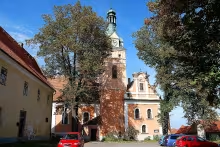
The Church of Saint James the Greater in Lhenice stands as one of the village's most significant historical monuments. Recognized for its early Gothic origins and subsequent Baroque transformations, it is located in the Jihočeský kraj region. This church not only showcases architectural evolution but also holds cultural importance as a protected monument by the Czech Republic. Its rich history reflects broader European trends while maintaining local significance.
The church's origins trace back to Cistercian monks who initiated its early Gothic design, though specific details about its initial construction are scarce. However, around 1560, lightning struck and set fire to the structure, necessitating extensive rebuilding efforts. This incident marked the beginning of several transformations that shaped the church's architectural journey.
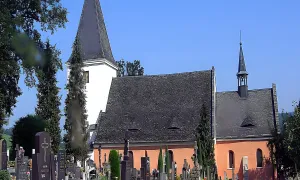
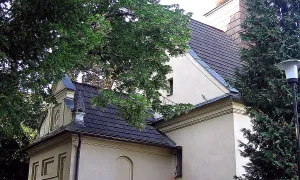
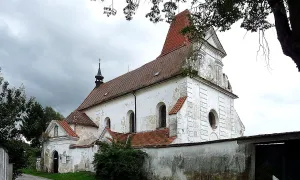
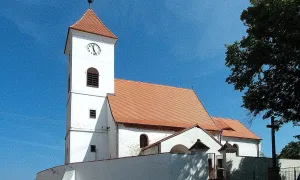
Architecturally, the Church of Saint James the Greater underwent notable changes over the centuries. After mid-16th-century damage, it was reconstructed with Baroque elements in the early 18th century. These renovations included extending the nave and adding a lunette vault over the presbytery, reflecting the era's stylistic preferences. The tower received attention in 1783 when it was heightened and fitted with a new mansard roof. Further modifications occurred in 1833, replacing shingle roofing on the church with tiles and sheet metal for the tower's roof. By 1904, expansions extended the presbytery and constructed both a new sacristy and an oratory.
The interior is adorned predominantly with Baroque furnishings from the 18th century, highlighting its historical significance during that period. Among these features is a unique baptismal font characterized by a scallop shell shape supported by an angel figure, adding to the church's artistic allure. The oldest surviving artifact within the church is a chalice dating back to 1530, further emphasizing its rich heritage.
In terms of notable events and curiosities, the church houses the remains of five unnamed parish priests in its nave, while beneath the presbytery lies a vaulted tomb containing the remains of Zlatokorunský priest Karel Dicent. The church's musical history is also significant; it once hosted baroque organs built before 1763 by Fridrich Semrád from Sedlec. These were replaced in 1877 with an organ crafted by Prague-based organ maker Karl Vocelka, and later, in 1953, the current two-manual organ with 24 stops was installed by Organa Kutná Hora.
Today, the Church of Saint James the Greater remains a cultural landmark open to visitors who wish to explore its historical and architectural significance. Despite challenges such as reduced reliability of its organs due to mechanical issues in recent years, restoration efforts have been supported by public donations and local government contributions. This monument offers insight into the religious and cultural history of Lhenice and stands as a testament to the enduring legacy of Gothic and Baroque architecture.
Visitors are encouraged to explore this remarkable site, where each element tells a story of resilience and transformation through centuries. The Church of Saint James the Greater is more than just an architectural marvel; it is a living piece of history that continues to inspire and educate those who walk its hallowed halls.
Historical milestones
- 1560
- The church underwent significant reconstruction after being damaged by lightning and fire.
- 1783
- The tower was heightened, and a new mansard roof was constructed.
- 1833
- Replacement of the shingle roofing with tiles on the church roof and sheet metal on the tower roof.
- 1904
- Extension of the presbytery, construction of a new sacristy and oratory.
Architectural development
Originally constructed under the influence of Cistercian monks, the church experienced significant changes in the late 16th century due to lightning damage. Baroque renovations in the early 18th century included extending the nave and adding a lunette vault. The tower was heightened in 1783, and further modifications occurred in 1833 and 1904.
Historical events
The church was significantly rebuilt after being damaged by lightning and fire around 1560.
In the early 19th century, further modifications included extending the nave and adding a lunette vault over the presbytery.
Points of interest
- The Church of Saint James the Greater's early Gothic design was initiated by Cistercian monks, though specific details about its initial construction remain scarce. - Around 1560, a lightning strike set fire to the church, leading to extensive rebuilding efforts and marking the start of significant architectural transformations. - A unique baptismal font in the church is characterized by a scallop shell shape supported by an angel figure, adding artistic allure to its Baroque interior.
Guide
Show guide text
Welcome to the Church of Saint James the Greater in Lhenice, a remarkable testament to the village's rich heritage and architectural evolution. As you stand before this majestic structure, take a moment to absorb its serene presence—a harmonious blend of history and spirituality that has stood the test of time.
The origins of this church trace back to early Gothic architecture, initiated by Cistercian monks whose dedication laid the foundation for what would become one of the most significant monuments in Lhenice. Though specific details about its initial construction are scarce, the spirit of those early builders is palpable in every stone and archway.
As you gaze upon the church, notice how it has gracefully weathered centuries of change. The building's journey through time includes a pivotal moment around 1560 when a lightning strike set fire to the structure. This event led to significant reconstruction efforts that not only restored but also transformed the church into what we see today. Fast forward to 1783, and you'll find that the tower was heightened, crowned with a new mansard roof—a testament to the architectural adaptations of the era.
Further transformations occurred in 1833 when the original shingle roofing was replaced with tiles on the church roof, while sheet metal adorned the tower roof, reflecting both aesthetic preferences and practical considerations of the time. By 1904, the church had expanded its presbytery, along with the addition of a new sacristy and oratory, ensuring that it continued to meet the needs of its congregation.
While specific architects remain unknown, their work is evident in every detail—from the robust stonework to the elegant lines that define this sacred space. The absence of known historical figures only adds an air of mystery, inviting you to imagine the countless lives touched by this church through the ages.
One fascinating aspect of this church is its early Gothic design, a rare glimpse into the architectural vision of its Cistercian founders. This element serves as a reminder of the enduring influence of monastic communities in shaping our cultural landscapes.
As you stand here today, let yourself be enveloped by the atmosphere—a blend of reverence and history that invites introspection and exploration. We encourage you to wander around this storied site, perhaps tracing your fingers along its weathered stones or simply sitting quietly to absorb its timeless beauty.
Thank you for joining us on this journey through time at the Church of Saint James the Greater in Lhenice. May your visit inspire a deeper appreciation for the stories and craftsmanship that have shaped this remarkable monument. We hope you'll continue exploring, discovering more about the rich tapestry of history and culture that surrounds you. Farewell, until we meet again on another path of discovery.
Tips for visitors
The best time to visit the Church of Saint James the Greater in Lhenice is during late spring or early autumn, when the weather is pleasant for exploring outdoor sites and the crowds are typically smaller than in peak summer months. This timing allows you to enjoy the beautiful surroundings without the discomfort of extreme heat or cold, making it ideal for appreciating the church's architectural details.
Parking near Lhenice can be limited, so if you're driving, consider arriving early or using nearby towns as starting points and walking in. Public transportation is available, with buses connecting to larger cities; check online resources for current schedules to plan your journey efficiently. This approach not only eases parking concerns but also offers a chance to experience the local landscape.
When visiting the church, it's advisable to bring comfortable walking shoes as you may want to explore the surrounding area or walk from nearby towns if public transport is used. A camera with a zoom lens can be beneficial for capturing details of the church’s architecture without disturbing any ongoing services or events. Don’t forget water and perhaps a hat for sun protection, especially during warmer months.
For photography enthusiasts, early morning light provides soft illumination that enhances the Gothic features of the Church of Saint James the Greater. The western facade is particularly striking at sunrise, while the interior offers dramatic contrasts when lit by natural light filtering through stained glass windows. Always be respectful of any services or events taking place and ask for permission if you wish to take photos inside.
Within a 30-minute drive from Lhenice, visitors can explore other historical sites such as the nearby castles and nature reserves that offer hiking trails and scenic views. These locations provide additional context to the region's rich history and natural beauty, making them perfect for extending your visit. Families with children will find these areas engaging, offering a mix of educational experiences and outdoor activities.
Businesses nearby
Do you run a restaurant, accommodation, shop, museum, rental, wellness or other visitor service near this monument? Show yourself directly to the people heading to it — this is how they will see you in the app and on the web:
Accommodation nearby
Trips and activities nearby
Guided tours, tickets and activities nearby from GetYourGuide
Search tours and activities →Themed route
Tematická výletní trasa: Kostel svatého Jakuba Většího (Lhenice)
1. Kostel svatého Jakuba Většího (Lhenice) - Typ: Historický kostel - Proč stojí za návštěvu: Tento barokní kostel je architektonickou perli obce Lhenice. Jeho historie sahá do 13. století, což mu dodává bohatý kulturní a duchovní význam. Vnější i vnitřní prostor nabízejí pohled na umělecké prvky z různých historických období.
2. Obecní úřad Lhenice - Typ: Historická budova - Proč stojí za návštěvu: Tato starobylá budova, nacházející se v centru obce, je příkladem místní architektury. Její historie a dnešní funkce jako obecní úřad odrážejí rozvoj Lhenice po staletí.
3. Lhenský rybník - Typ: Rybník - Proč stojí za návštěvu: Tento rybník je nejen místem pro relaxaci a pohledy na přírodní krásu, ale také součástí historického vodního systému obce. Je ideálním místem k odpočinku po návštěvě kostela.
4. Lhenský les - Typ: Lesní oblast - Proč stojí za návštěvu: Přírodní prostředí Lhenského lesa nabízí krásné procházky a možnost si užít klidu v zeleni. Je to ideální místo k obnovení energie po prozkoumání historických míst.
5. Kaple svatého Jana Nepomuckého - Typ: Kaple - Proč stojí za návštěvu: Tato kaple je dalším důležitým náboženským a historickým místem v Lhenicích. Její prostor nabízí klidnou atmosféru pro meditaci a odpočinek.
Tato trasa nabízí kombinaci kulturního, historického i přírodního zážitku v obci Lhenice.
Seasonal recommendations
Spring: The arrival of spring brings a gentle transformation to the Church of St. James the Greater in Lhenice, with nature beginning its vibrant reawakening. The surrounding landscape is adorned with blooming flowers and fresh greenery, creating a picturesque setting that enhances the church's historic charm. As daylight extends into longer evenings, visitors can enjoy the soft natural light filtering through stained glass windows, casting colorful patterns on the stone interiors. This is an ideal time to explore without large crowds, allowing for a peaceful experience. It’s recommended to wear comfortable walking shoes and layers, as temperatures can vary throughout the day.
Summer: Summer at the Church of St. James the Greater offers warm days perfect for exploring its architectural beauty in full daylight. The lush greenery around the church provides a serene backdrop, while the longer hours of sunlight allow visitors ample time to appreciate intricate details both inside and outside the church. This is also the peak tourist season, so it’s advisable to arrive early to avoid larger crowds. Comfortable clothing suitable for warm weather and sunscreen are recommended, along with staying hydrated during your visit.
Autumn: Autumn transforms Lhenice into a tapestry of rich colors as leaves change from green to vibrant hues of red, orange, and gold. The church is set against this stunning backdrop, creating an atmospheric scene that feels almost magical. While the weather can be unpredictable, it’s often cooler with occasional rain showers, so visitors should dress in layers and bring waterproof clothing or umbrellas. This season offers a quieter experience than summer, allowing for more intimate exploration of the historic site.
Winter: Winter cloaks the Church of St. James the Greater in a serene blanket of snow, offering a unique and tranquil atmosphere that enhances its historical beauty. The crisp air and shorter days create a quiet ambiance perfect for reflection and appreciation of the church’s architecture against the stark winter landscape. However, colder temperatures mean it's essential to dress warmly with coats, hats, gloves, and scarves. Visitors should also check opening hours as they may be reduced during this season, allowing more time to enjoy the peaceful surroundings without large crowds.
Visualizations and artistic views

Vizualizace jsou generovány umělou inteligencí a slouží jako inspirace.

Tips from visitors
No tips yet. Be the first!
Log in and add your tip.
Location on the map
Příběhy a pověsti
Legendy, pověsti a příběhy spjaté s touto památkou
Reviews and comments