





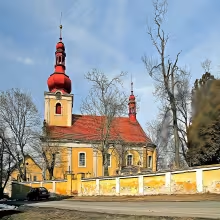
The Church of Saint Gothard in Žehuň is a Roman Catholic church located in the village within the Kolín District. Founded by the Benedictine monastery at Opatovice, it was consecrated in 1137 as a Romanesque structure dedicated to Saint Gothard. The current Baroque edifice, built between 1753 and 1762, replaced an earlier deteriorated church. This site is recognized for its cultural significance, with the surrounding area, including a cemetery wall and gate, also designated as a Czech cultural monument.
The original Romanesque church was consecrated in 1137 during a period when Bohemia was under the Holy Roman Empire's influence. The Baroque transformation occurred between 1748 and 1762, reflecting the Counter-Reformation era's flourishing religious architecture. František Kermer is credited as the architect for both the church and the adjacent mortuary chapel constructed in 1765-1766.
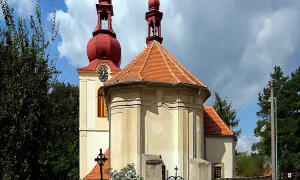
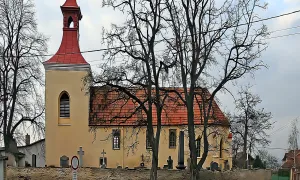
Architecturally, the Church of Saint Gothard transformed from Romanesque to Baroque style. The current structure features a single-nave rectangular layout with a semi-circular presbytery oriented northeast. Its main façade includes a pyramidal tower and a sacristy above the presbytery. Adjacent is a Baroque mortuary chapel, notable for its mansard roof and interior adorned with human bones from an older cemetery.
In January 2020, it was reported that the Žehuň mortuary chapel might contain remains of Hussite warriors from the Battle of Lipany, adding historical intrigue to the site. Another unique feature is the church tower's clock made in 1872 by Jan Janata, with a distinctive design where the smaller hand indicates minutes and the larger one hours.
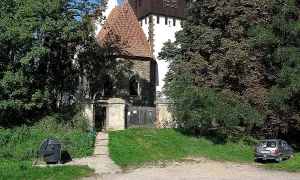
The Church of Saint Gothard is surrounded by a cemetery wall with a gate featuring partially forged iron gates from the 19th century. Originally, sculptures were placed on pilasters around this area in the early 18th century, although some have been lost over time. The church and its surrounding area were designated as a Czech cultural monument in 1965.
Today, the Church of Saint Gothard remains an important cultural site, with ongoing restoration efforts initiated in 2015 to preserve its historical significance. Its rich history, architectural beauty, and potential archaeological treasures make it a worthwhile visit for those interested in exploring Czech heritage. Visitors are invited to experience this remarkable monument and delve into its storied past.
Historical milestones
- 1137
- Consecration of the original Romanesque church.
- 1753
- Construction began on the current Baroque edifice.
- 1762
- Completion of the Baroque church construction.
- 1765
- Construction of the adjacent mortuary chapel completed.
- 1872
- Installation of the distinctive clock by Jan Janata.
- 1965
- Designation as a Czech cultural monument.
Architectural development
The Church of Saint Gothard underwent significant architectural transformation from its original Romanesque form to the present-day Baroque style. Built between 1753 and 1762, it features a single-nave rectangular layout with a semi-circular presbytery oriented northeast. The church's main façade includes a pyramidal tower and a sacristy above the presbytery. Adjacent to the church is a Baroque mortuary chapel constructed in 1765-1766.
Historical events
1137: The original Romanesque church was consecrated by the Benedictine monastery at Opatovice.
1748-1762: The old church was demolished, and a new Baroque church was constructed in its place.
1965: The church and surrounding area were designated as a Czech cultural monument.
Points of interest
- The Church of Saint Gothard underwent a significant architectural transformation from Romanesque to Baroque style, reflecting the religious and cultural shifts in Bohemia over several centuries.
- František Kermer is credited with designing both the church and its adjacent mortuary chapel, which features an unusual interior adorned with human bones from an older cemetery, adding a macabre yet fascinating element to its history.
Guide
Show guide text
Welcome to the historic Church of Saint Gothard in Žehuň, a remarkable testament to centuries of architectural and cultural evolution. As you stand here, take a moment to absorb the serene atmosphere that surrounds this Roman Catholic church nestled within the quaint village of Žehuň, part of the Kolín District.
The origins of this sacred site trace back to 1137 when it was first consecrated as a Romanesque structure dedicated to Saint Gothard. This initial establishment was founded by the Benedictine monastery at Opatovice, marking an era where spirituality and architecture intertwined in the creation of spaces for worship. Over time, the original church fell into disrepair, leading to its replacement with the current Baroque edifice between 1753 and 1762. This transformation reflects not just a change in architectural style but also the shifting religious and cultural landscapes of Bohemia over several centuries.
As you gaze upon the Church of Saint Gothard today, notice the elegance of its Baroque architecture—a design credited to František Kermer. His vision extended beyond the church itself, as he was also responsible for designing the adjacent mortuary chapel, completed in 1765. The harmonious relationship between these structures speaks volumes about the era's architectural ingenuity and religious devotion.
While exploring this site, you might be intrigued by the distinctive clock installed in 1872 by Jan Janata. Its presence on the church not only marks time but also symbolizes the enduring legacy of craftsmanship that has been a part of this community for generations.
The Church of Saint Gothard is more than just an architectural marvel; it's a beacon of history, having been designated as a Czech cultural monument in 1965. This recognition underscores its significance and the stories embedded within its walls—stories of faith, transformation, and resilience.
As we conclude our journey through time at this sacred site, I invite you to linger a while longer, perhaps exploring the surrounding village or reflecting on the rich tapestry of history that has unfolded here. Thank you for joining me in uncovering the layers of stories that make the Church of Saint Gothard a cherished landmark not just in Žehuň but in the heart of Středočeský kraj.
Farewell, and may your explorations continue to be filled with discovery and wonder.
Tips for visitors
The best time to visit the Church of Saint Gothard in Žehuň is during late spring or early autumn. During these months, the weather is typically mild, making it pleasant for exploring both the church and its surroundings. Additionally, visiting outside peak tourist seasons can provide a more serene experience, allowing you to appreciate the historical details without large crowds.
Parking and transportation options are convenient for visitors. The area around Žehuň offers parking facilities that accommodate vehicles, though it's advisable to check local resources or maps for specific locations. Public transport is also available; however, it's recommended to verify current routes and schedules through a reliable travel app or website to ensure smooth access to the church.
When planning your visit, consider bringing comfortable walking shoes as you'll likely explore both the church grounds and nearby cemetery wall with its 19th-century iron gates. A camera is essential for capturing the intricate sculptures on the pilasters from the 18th century. Additionally, weather-appropriate clothing can enhance your comfort during the visit.
For photography enthusiasts, the best spots to capture the Church of Saint Gothard are around sunrise or late afternoon when the lighting is soft and enhances the architectural details. The partially forged iron gates and mortuary chapel also offer unique photographic opportunities with their historical significance and design.
Families visiting the church can enjoy a peaceful walk through the cemetery, which provides an educational experience for children interested in history and architecture. The sculptures on the pilasters serve as interesting talking points about art from the 18th century. Exploring nearby areas within a 30-minute drive, such as the Benedictine monastery at Opatovice, can extend your cultural journey with more historical insights.
Businesses nearby
Do you run a restaurant, accommodation, shop, museum, rental, wellness or other visitor service near this monument? Show yourself directly to the people heading to it — this is how they will see you in the app and on the web:
Nearby
The Church of Saint Gothard is surrounded by a cemetery wall with a gate featuring partially forged iron gates from the 19th century. The area includes a mortuary chapel and features sculptures that were originally placed on pilasters in the 18th century.
Accommodation nearby
Trips and activities nearby
Guided tours, tickets and activities nearby from GetYourGuide
Search tours and activities →Themed route
Tematická Výletní Trasa: Kostel svatého Gotharda (Žehuň)
1. Kostel svatého Gotharda - Typ: Historický kostel - Proč stojí za návštěvu: Tento barokní chrám, postavený v 18. století, je nejen duchovním centrem obce Žehuň, ale také architektonickou perli s bohatou historií a uměleckými prvky. Jeho interiér nabízí nádherné fresky a detaily, které přitahují všechny milovníky historie a kultury.
2. Hřbitovská zeď s bránou - Typ: Historický hřbitov - Proč stojí za návštěvu: Hřbitov, obklopený starobylou zdí s částečně kovárenskou branou z 19. století, nabízí klidné a reflektivní prostředí pro návštěvníky. Tato brána je příkladem dovedností tehdejších kovářů a dodnes zachovává svou historickou hodnotu.
3. Mortuarium - Typ: Kaple - Proč stojí za návštěvu: Mortuarium, umístěné uvnitř hřbitova, je místo klidu a úcty k zesnulým. Tato kaple nabízí jedinečnou atmosféru a poskytuje vhled do historických pochopení smrti a pohřbívání v regionu.
4. Sculptury na pilastrech - Typ: Umělecké prvky - Proč stojí za návštěvu: Tyto sochy, které byly kdysi umístěny na pilastrech v 18. století, jsou představiteli barokního umění a dodnes zachovávají svůj původní charakter. Jsou to důležité prvky kostela, které obohacují jeho estetický dojem.
Tato trasa nabízí návštěvníkům možnost prozkoumat nejen samotný Kostel svatého Gotharda, ale také okolní architektonicky a historicky významné prvky, které dodatečně obohacují zážitek z návštěvy této oblasti.
Seasonal recommendations
Spring: Visiting the Church of Saint Gothard in Žehuň during spring offers a unique experience as nature awakens around this historical site. The surrounding landscape is adorned with vibrant wildflowers and lush greenery, creating a picturesque backdrop that enhances the charm of the church. As daylight hours extend, the play of natural light through stained glass windows can be particularly enchanting. Visitors should expect moderate crowds as people take advantage of milder weather to explore cultural sites. It's advisable to wear comfortable layers, as temperatures can vary throughout the day, and bring a camera to capture the blooming scenery.
Summer: In summer, the Church of Saint Gothard is bathed in warm sunlight that highlights its architectural details and illuminates its interiors with a golden glow. The peak tourist season means larger crowds, so arriving early in the morning or later in the afternoon can provide a more tranquil visit. Long daylight hours offer extended viewing opportunities, but it's wise to wear light clothing and sunscreen due to potentially hot weather. This is also an ideal time for outdoor activities around Žehuň, making it perfect for combining a cultural visit with nature exploration.
Autumn: Autumn transforms the Church of Saint Gothard into a serene haven amidst a tapestry of reds, oranges, and yellows. The cooler temperatures and softer light create a mystical atmosphere that enhances the historical ambiance of the church. As leaves fall, they add an enchanting layer to the landscape, making for beautiful photo opportunities. This season typically sees fewer visitors than summer, providing a more peaceful experience. Dress warmly in layers to accommodate fluctuating temperatures and consider bringing a jacket as evenings can be quite chilly.
Winter: Winter offers a magical setting for visiting the Church of Saint Gothard, with snow-capped surroundings that create a fairy-tale-like atmosphere around this historic structure. The shorter days mean less natural light, but the church's interiors are warmly illuminated, inviting visitors to explore its quiet beauty. Attendance is usually lower during winter months, allowing for a more intimate experience. It’s essential to dress in warm layers and wear waterproof boots due to potential snow or ice. Check opening hours as they may be reduced in this season, ensuring you plan your visit accordingly.
Visualizations and artistic views

Vizualizace jsou generovány umělou inteligencí a slouží jako inspirace.


Tips from visitors
No tips yet. Be the first!
Log in and add your tip.
Location on the map

Příběhy a pověsti
Legendy, pověsti a příběhy spjaté s touto památkou
Reviews and comments