





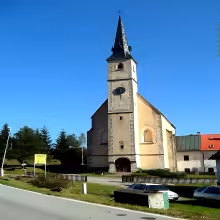
The Church of Saints Philip and James in Přední Výtoň is a notable Neo-Gothic structure, reflecting late 19th-century architectural revival trends. Situated near the Lipno Reservoir and close to Český Krumlov, it holds historical significance due to its foundation in 1384 by Jan and Petr z Rožmberka on an earlier chapel's site. The church endured destruction during the Hussite Wars and underwent several reconstructions, with a major transformation between 1883-1886 when it was renovated into its current Neo-Gothic style.
The church's origins date back to the late 14th century, founded by Jan and Petr z Rožmberka. This era in Bohemia saw significant religious and political changes leading up to the Hussite Wars. The original chapel was destroyed during these conflicts but later rebuilt and consecrated on May 3-4, 1523, by a bishop from Passau. By then, Europe was nearing the Reformation, which would soon alter its religious landscape.
Architecturally, the Church of Saints Philip and James experienced several significant phases. Initially founded as a chapel in the 14th century, it faced destruction during the Hussite Wars but was later rebuilt and consecrated in 1523. The most transformative period occurred between 1883-1886 when the church underwent extensive Neo-Gothic renovations, including new vaulting, roofing, and interior fittings, giving it its present-day appearance.
Throughout its history, the church has seen various changes in administration and ownership. After being abandoned post-1592, it came under the spiritual care of the Cistercian monastery Vyšší Brod. In 1785, it became a parish church with D. Schmidt as its first pastor. The late 19th-century renovations were crucial in defining its current architectural style.
Key events include its foundation by Jan and Petr z Rožmberka in 1384, consecration in 1523, and the major Neo-Gothic reconstruction between 1883-1886. After World War II, it fell into disrepair until restored with Austrian contributions in the early 1990s. Notably, its interior features a stone treasury chest from the 16th century.
Today, the Church of Saints Philip and James remains an active place of worship, hosting masses at specific times throughout the month. Its historical significance and architectural beauty make it a worthwhile visit for those exploring Czech cultural heritage. The church's resilience through centuries highlights its enduring value as both a spiritual and historical monument. Visitors are invited to experience this remarkable site and appreciate its rich history and architectural splendor.
Historical milestones
- 1384
- Foundation of the original chapel by Jan and Petr z Rožmberka.
- 1523
- Consecration of the church by Bishop from Passau.
- 1883-1886
- Major reconstruction in Neo-Gothic style.
Architectural development
The Church of Saints Philip and James has undergone several significant architectural phases. Initially founded as a chapel in the 14th century, it was destroyed during the Hussite Wars but later rebuilt and consecrated in 1523. The most transformative period came between 1883-1886 when the church was extensively renovated in Neo-Gothic style, featuring new vaulting, roofing, and interior fittings.
Historical events
1384: Foundation of the original chapel by Jan and Petr z Rožmberka.
1523: Consecration of the church by Bishop from Passau.
1883-1886: Major reconstruction in Neo-Gothic style.
Points of interest
- The Church of Saints Philip and James was originally founded on the site of an earlier chapel in 1384 by Jan and Petr z Rožmberka, who were influential figures during a period marked by significant religious upheaval leading to the Hussite Wars.
- Despite being destroyed during the tumultuous Hussite Wars, the church's resilience is highlighted by its reconstruction and subsequent consecration on May 3-4, 1523, by a bishop from Passau, just before Europe was about to undergo massive changes with the onset of the Reformation.
Guide
Show guide text
Welcome to the Church of Saints Philip and James in Přední Výtoň, a remarkable testament to Neo-Gothic architecture nestled within this serene locale. As you stand here, take a moment to absorb the grandeur that unfolds before your eyes: the intricate stonework and elegant lines characteristic of its architectural style, reflecting the revivalist trends of the late 19th century.
Let's delve into its origins and historical context. The church was founded in 1384 on the site of an earlier chapel established by Jan and Petr z Rožmberka, prominent figures during a time marked by significant religious upheaval leading to the Hussite Wars. This foundation laid the groundwork for centuries of spiritual and communal life.
As you gaze upon the structure now, notice its architectural details that speak volumes about its past. The Neo-Gothic style, adopted during the major reconstruction between 1883 and 1886, imbues the church with a sense of timeless elegance. Observe how the pointed arches and ornate detailing capture your attention, inviting you to explore further.
The history of this place is interwoven with key narratives and personalities that have left an indelible mark on its legacy. Jan and Petr z Rožmberka were instrumental in its early establishment, setting a foundation for future generations. The church itself was consecrated by a Bishop from Passau in 1523, marking another significant chapter in its storied past.
There's also an intriguing layer to this site's history—a mystery that adds depth to your visit. Despite being destroyed during the tumultuous Hussite Wars, the church rose again, reflecting resilience and continuity through reconstruction efforts over the centuries.
As you take in these stories and architectural marvels, I invite you to continue exploring the surroundings of Přední Výtoň. Each corner holds a whisper from the past, eager to be discovered by those who seek to connect with history. Thank you for joining me on this journey through time, and may your exploration here inspire curiosity and wonder.
Farewell, until our paths cross again in another chapter of discovery.
Tips for visitors
The best time to visit the Church of Saints Philip and James in Přední Výtoň is during late spring or early autumn. During these months, the weather is typically mild, making it ideal for exploring both the church and its surrounding landscapes. The area near the Lipno Reservoir offers stunning views that are particularly beautiful when the foliage changes color in autumn. Additionally, visiting outside of peak tourist season means fewer crowds, allowing for a more peaceful experience.
Parking and transport options around Přední Výtoň include both private vehicle parking and public transportation. There are designated parking areas nearby where you can leave your car. For those preferring to use public transit, buses run frequently from Český Krumlov, which is a short journey away. It's advisable to check the latest schedules online or at local tourist information centers to plan your trip efficiently.
When visiting the Church of Saints Philip and James, it’s recommended to bring comfortable walking shoes as you may want to explore the surrounding area around the Lipno Reservoir. Additionally, consider bringing a camera for capturing the picturesque landscapes and architectural details of the church. Sunscreen and a hat are also advisable if you plan to spend time outdoors during sunny days.
For photography enthusiasts, some of the best spots include the exterior views of the Neo-Gothic architecture of the church, especially during golden hour when the light is soft and warm. The area around the Lipno Reservoir provides excellent opportunities for landscape shots with reflections on the water. Early morning or late afternoon are ideal times to capture these scenes in optimal lighting conditions.
Nearby attractions within a 30-minute drive include Český Krumlov, known for its well-preserved medieval architecture and scenic castle overlooking the Vltava River. For families with children, consider visiting the Lipno Dam area where there are opportunities for boating and picnicking by the water. These activities provide a great way to enjoy the outdoors while exploring the cultural heritage of the region.
Businesses nearby
Do you run a restaurant, accommodation, shop, museum, rental, wellness or other visitor service near this monument? Show yourself directly to the people heading to it — this is how they will see you in the app and on the web:
Nearby
Located near the Lipno Reservoir and close to Český Krumlov, the area around Přední Výtoň offers picturesque landscapes and is part of a region rich in cultural heritage.
Accommodation nearby
Trips and activities nearby
Guided tours, tickets and activities nearby from GetYourGuide
Search tours and activities →Themed route
Thematic Walking Tour: The Charm of Přední Výtoň
1. Kostel svatého Filipa a Jakuba (Přední Výtoň)** *Type:* Church Begin your journey at the heart of Přední Výtoň with the stunning Church of St. Philip and James. This architectural gem, nestled in the picturesque surroundings near the Lipno Reservoir, offers a glimpse into the rich cultural heritage of the region. The church's intricate design and serene atmosphere make it an essential stop for anyone interested in history and architecture.
2. Lipno Reservoir Scenic Walk** *Type:* Natural Landscape Just a short walk from the church, head towards the Lipno Reservoir. This area is renowned for its breathtaking views and tranquil waters, providing a perfect setting for a leisurely stroll. The reservoir's proximity to Český Krumlov adds an extra layer of historical charm, making it a must-visit spot for nature lovers and history enthusiasts alike.
3. Local Heritage Trail near Přední Výtoň** *Type:* Cultural Pathway Continue your exploration by following the local heritage trail that meanders through the scenic landscapes around Přední Výtoň. This pathway offers insights into the region's cultural legacy, with opportunities to learn about traditional crafts and practices. The trail is an ideal way to immerse yourself in the local culture while enjoying the natural beauty of the area.
4. Village Square of Přední Výtoň** *Type:* Community Space Conclude your tour at the village square, a vibrant community hub that reflects the spirit of Přední Výtoň. This charming space is perfect for relaxing and soaking in the local atmosphere after a day of exploration. The square often hosts small events and gatherings, providing a glimpse into the daily life and traditions of this enchanting region.
This thematic walking tour offers a blend of history, culture, and natural beauty, making it an ideal experience for anyone visiting Přední Výtoň.
Seasonal recommendations
Spring: The arrival of spring at the Church of Saint Philip and James (Přední Výtoň) is marked by a picturesque transformation as nature awakens around this historic site. The surrounding landscape bursts into life with vibrant wildflowers, creating a colorful tapestry that enhances the church's serene beauty. During this time, the soft morning light casts gentle shadows across the ancient stones, offering a unique and tranquil atmosphere for visitors. It is advisable to wear comfortable walking shoes as you explore the nearby trails, which are now lush and inviting. While spring can bring unpredictable weather, it often results in fewer crowds compared to summer, allowing for a more peaceful experience.
Summer: Summer at Přední Výtoň offers long days filled with warm sunshine, ideal for exploring both the church and its stunning natural surroundings. The lush greenery and blooming flora create a vibrant backdrop that accentuates the historic architecture of the Church of Saint Philip and James. This is also the peak tourist season, so it's wise to arrive early in the day to avoid larger crowds and make the most of your visit. Light clothing is recommended due to the warmer temperatures, and don't forget to bring water and sunscreen for a comfortable exploration under the summer sun.
Autumn: Autumn at Přední Výtoň presents a breathtaking display of fall colors, with the surrounding landscape turning into a rich palette of reds, oranges, and yellows. This season offers a unique opportunity to witness the church enveloped in a warm, golden light as the days grow shorter. The cooler temperatures make it an ideal time for leisurely walks through the picturesque surroundings without the summer heat. It's advisable to dress in layers to accommodate the changing weather conditions typical of this season.
Winter: Winter transforms Přední Výtoň into a serene and almost ethereal landscape, with snow often blanketing the ground around the Church of Saint Philip and James. The church stands quietly majestic against the stark yet beautiful backdrop of winter scenery. This is a quieter time to visit, as fewer tourists venture out in the colder months, allowing for a more intimate experience. Be sure to dress warmly in layers and wear sturdy boots, as paths may be slippery. Additionally, check ahead for any changes in opening hours due to seasonal weather conditions.
Visualizations and artistic views

Vizualizace jsou generovány umělou inteligencí a slouží jako inspirace.

Tips from visitors
No tips yet. Be the first!
Log in and add your tip.
Reviews and comments