






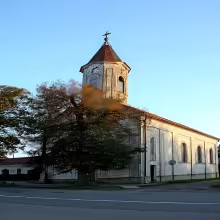
The Church of Saint Teresa in Lesná is a notable cultural monument in the Czech Republic, showcasing the historicist architectural style from its construction period between 1866 and 1868. Situated at the village's heart, this filial church under the Roman Catholic parish of Horní Břečkov is significant for both its architectural beauty and historical resilience, as well as community involvement in preservation efforts.
The origins of the Church of Saint Teresa date back to when Bohemia was part of the Austro-Hungarian Empire. This era saw a rise in historicist architecture as a response to industrialization. Construction began on April 29, 1866, after acquiring sufficient funds and demolishing a house on the site. Although initially interrupted due to conflicts with Prussia, work resumed in 1867 and was completed by September 15, 1868. The church was consecrated shortly thereafter, on October 2, 1868.
Architecturally, the Church of Saint Teresa exemplifies the historicist style typical of late 19th-century Europe. This period saw a revival of historical architectural elements as a counter to modern industrial influences. Over the years, the church has undergone several renovations to maintain its structural integrity and aesthetic appeal. Notably, between 1990 and 1994, significant restoration efforts were funded by local donations, reflecting the community's dedication to preserving this historic site.
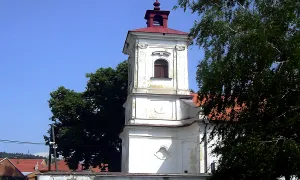
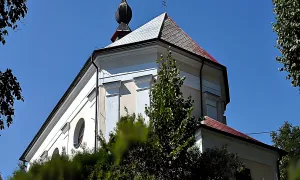
Throughout its history, the Church of Saint Teresa has faced various challenges that have tested its resilience. In 1876, a lightning strike damaged the church tower, necessitating repairs. During World War I, the church bells were requisitioned but were later replaced through local fundraising efforts in 1919. The community's commitment to restoring and maintaining the church was further demonstrated during the 2017-2018 restoration of its exterior, which included work on the roof and façade.
Today, the Church of Saint Teresa remains a cherished landmark in Lesná. Its historical significance and architectural beauty make it a worthwhile visit for those interested in exploring the cultural heritage of the Czech Republic. The church's ongoing preservation efforts highlight the community's dedication to maintaining its historical legacy, inviting visitors to appreciate this remarkable monument.
The Church of Saint Teresa stands as a testament to the enduring spirit of Lesná's community and their commitment to preserving their cultural heritage. Its rich history and architectural beauty make it an essential destination for anyone interested in exploring the Czech Republic's historic sites. Visitors are encouraged to experience firsthand the charm and significance of this remarkable church, which continues to be a symbol of resilience and communal pride.
Historical milestones
- 1866
- Construction began with the laying of the foundation stone.
- 1876
- The church was damaged by lightning, leading to repairs.
- 1919
- Local fundraising led to the purchase and consecration of new bells.
- 1990
- A major restoration funded by local donations began.
Architectural development
The church's construction was interrupted due to wars with Prussia and resumed in 1867. It features historicist architecture typical of the late 19th century. Over the years, it has undergone several renovations, including a significant restoration between 1990 and 1994 funded by local donations.
Historical events
Construction began on April 29, 1866, after securing sufficient funds and demolishing a house on the site.
The church was completed and consecrated in September and October of 1868.
In 1876, lightning struck the tower, necessitating repairs.
During World War I, the bells were requisitioned but replaced by local fundraising efforts after the war.
Points of interest
- The Church of Saint Teresa was constructed during a time when Bohemia was part of the Austro-Hungarian Empire, reflecting the broader political and cultural influences of that era.
- Despite interruptions in its construction due to conflicts with Prussia, the church's completion on September 15, 1868, demonstrated resilience and determination by the local community to see the project through.
Guide
Show guide text
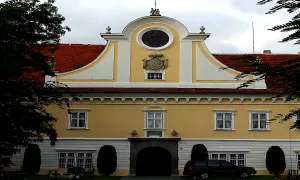
Welcome to the Church of Saint Teresa in Lesná, a charming village nestled within the Jihomoravský kraj. As you stand here, take a moment to absorb the serene atmosphere surrounding this historic gem. The church's facade invites your gaze with its understated elegance, characteristic of the historicist style that defines it.
Let us delve into the origins and historical context of this cultural monument. Construction began in 1866, during an era when Bohemia was part of the Austro-Hungarian Empire. This period left a distinct imprint on the church's architectural design, reflecting broader political and cultural influences. Despite challenges, including interruptions due to conflicts with Prussia, the church reached completion in 1868.
As you look around, notice the harmonious blend of form and function that speaks volumes about its era. The church stands as a testament to the craftsmanship and dedication of its builders, whose identities remain unknown but whose legacy endures through this structure.
Throughout its history, the Church of Saint Teresa has witnessed significant events. In 1876, it suffered damage from lightning, necessitating repairs. A century later, in 1919, local fundraising efforts led to the purchase and consecration of new bells, marking a period of community involvement and pride. More recently, in 1990, a major restoration was undertaken, funded by generous donations from locals who cherish this historical landmark.
One intriguing aspect of this church is its resilience and ability to adapt through time. Despite facing adversities, it has remained a focal point for the Roman Catholic parish of Horní Břečkov, continuing to serve as a spiritual haven for generations.
As we conclude our brief exploration, I invite you to continue your journey around this remarkable site. Discover more about its stories and significance at your own pace. Thank you for joining me today, and may your visit be both enlightening and inspiring.
Tips for visitors
The best time to visit the Church of Saint Teresa is during late spring or early autumn when the weather is mild, allowing for a comfortable exploration of both the church's interior and its surroundings. These seasons offer pleasant temperatures and natural lighting that enhances the historicist architectural details inside the church. Additionally, visiting outside of peak tourist season means fewer crowds, providing a more serene experience.
Parking near the Church of Saint Teresa is limited due to its central location in Lesná village. Visitors are advised to look for street parking or use nearby public transport options. The church can be accessed by bus from major towns within the Jihomoravský kraj region, making it convenient for those traveling without a car. It's recommended to check current transportation schedules online before your visit.
When visiting the Church of Saint Teresa, consider bringing comfortable walking shoes as you may want to explore the village and its surroundings after viewing the church. A camera is also advisable to capture the unique architectural details and serene atmosphere of this historic site. Since there are no specific amenities like restrooms or cafes within immediate proximity, carrying water and a light snack can make your visit more enjoyable.
Photography enthusiasts will find several spots around the Church of Saint Teresa ideal for capturing its beauty. The best natural lighting is available in the early morning or late afternoon when the sun casts soft shadows that highlight the church's intricate details. Try to capture the facade from different angles, and if possible, include elements of the surrounding village landscape for a more contextual shot.
For families with children visiting the Church of Saint Teresa, consider planning your visit as part of a day trip exploring nearby attractions within 30 minutes away. The natural beauty of Lesná offers opportunities for outdoor activities that can be enjoyable for all ages. While specific family-friendly sites are not mentioned in the vicinity, the area's scenic landscapes provide a great backdrop for leisurely walks or picnics.
Businesses nearby
Do you run a restaurant, accommodation, shop, museum, rental, wellness or other visitor service near this monument? Show yourself directly to the people heading to it — this is how they will see you in the app and on the web:
Accommodation nearby
Themed route
Tematická výletní trasa kolem kostela svaté Terezie
1. Kostel svaté Terezie *Typ:* Náboženská památka *Proč stojí za návštěvu:* Kostel svaté Terezie v obci Lesná je architektonickou perli, která přitahuje návštěvníky svým klasicistním designem a historickou hodnotou. Je to místo klidu a útulku pro ty, kteří si chtějí užít krásnou architekturu a možná i zazvonit v kostelní zvonek.
2. Lesní park Lesná *Typ:* Místní park *Proč stojí za návštěvu:* Tento park nabízí krásné procházky mezi stromy a je ideálním místem k odpočinku po návštěvě kostela. Je to výborné místo pro rodiny s dětmi nebo pro ty, kteří hledají klidné okamžiky ve společnosti přírody.
3. Lesná obecní čtvrť *Typ:* Místní čtvrť *Proč stojí za návštěvu:* Prozkoumání Lesné obecní čtvrti nabídne pohled na místní život a architekturu. Je to skvělý způsob, jak se dozvědět více o historii a kultuře oblasti, s možností navštívit některé ze starších domů nebo prozkoumat místní tradiční činnosti.
4. Lesná zastávka (autobusová zastávka) *Typ:* Veřejné dopravní zařízení *Proč stojí za návštěvu:* I když je to praktické místo pro cestující, nabízí také pohled na místní život a infrastrukturu. Prozkoumáním okolí zastávky si můžete uvědomit, jak se Lesná propojuje s dalšími částmi Jihomoravského kraje.
Tato trasa nabízí kombinaci historických a přírodních atrakcí v okolí kostela svaté Terezie, což umožňuje návštěvníkům plně prozkoumat krásy obce Lesná.
Seasonal recommendations
Spring: The arrival of spring at the Church of Saint Teresa in Lesná brings a refreshing transformation to its surroundings, with blooming flowers and lush greenery creating a vibrant tapestry that enhances the church's historic beauty. This season offers soft natural lighting that accentuates the intricate architecture and stained glass windows, providing an ideal backdrop for photography enthusiasts. Visitors can enjoy peaceful walks through the nearby Lesná Park, where nature is in full bloom. For those planning a visit, it’s advisable to wear comfortable walking shoes suitable for exploring both the church grounds and the park. While spring generally sees moderate visitor numbers, arriving early in the day helps avoid any potential crowds.
Summer: Summer at the Church of Saint Teresa is marked by long daylight hours that beautifully illuminate its historic architecture, making it an excellent time for photography. The surrounding Lesná area becomes a lively hub with families and tourists enjoying outdoor activities, which can lead to larger visitor numbers. To fully appreciate the church's serene atmosphere amidst the summer buzz, consider visiting during off-peak hours or weekdays. Comfortable, breathable clothing is recommended due to warmer temperatures, along with sun protection such as hats and sunscreen. Exploring nearby trails in Lesná Park offers a refreshing respite from the heat.
Autumn: Autumn transforms the Church of Saint Teresa into a picturesque scene with warm hues of reds, oranges, and yellows enveloping its historic structure. The cooler temperatures make for comfortable exploration, both inside the church and while strolling through the vibrant Lesná Park. This season is ideal for those who appreciate photography in natural lighting that highlights the architectural details against a colorful backdrop. While visitor numbers tend to decrease as summer ends, it’s still wise to plan your visit early in the day to enjoy a quieter experience. Layered clothing is recommended to accommodate fluctuating temperatures throughout the day.
Winter: Winter at the Church of Saint Teresa offers a magical atmosphere with snow-covered landscapes that add an enchanting touch to its historic presence. The shorter daylight hours and potential for inclement weather create a serene, almost mystical setting, perfect for capturing stunning photographs or simply enjoying a peaceful visit. During this season, visitor numbers are typically lower, allowing for a more intimate experience of the church's beauty. It’s important to dress warmly in layers and wear sturdy footwear suitable for potentially icy conditions. Planning your visit during daylight hours is advisable due to shorter opening times.
Visualizations and artistic views

Vizualizace jsou generovány umělou inteligencí a slouží jako inspirace.


Tips from visitors
No tips yet. Be the first!
Log in and add your tip.
Location on the map


Příběhy a pověsti
Legendy, pověsti a příběhy spjaté s touto památkou
Reviews and comments