




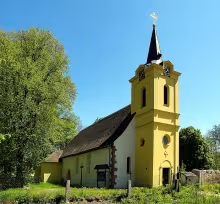
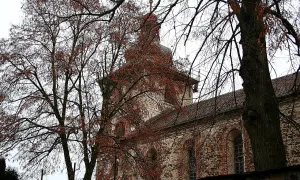
The Church of Saint Mary Magdalene in Bor is a significant cultural monument located in the Karlovarský kraj region. This early Gothic church stands as a testament to medieval ecclesiastical architecture and history, serving as a filial church of the Roman Catholic Church in Ostrov within the Plzeň diocese. Its historical significance is underscored by its listing as a cultural monument since 1964.
The origins of the Church date back to around 1260 when its core structure, including the chancel and eastern walls, was constructed. Situated in Bor along an ancient trade route from the Rhine to Bohemia, this church reflects the religious and political developments of 13th-century Bohemia, which was part of the Holy Roman Empire at that time. The Gothic architectural style prevalent across Europe influenced its initial design.
Architecturally, the church began as a simple early Gothic structure. By the late 14th century, it had been modified into its Gothic form. In 1770, Baroque renovations extended the nave and altered window designs to reflect stylistic changes of that era. A significant addition was made between 1874-1875 when a new classical tower was constructed on the western façade by Karl Piehl from Sedlice.
Throughout its history, the church has seen various owners and administrators. In 1342, patronage rights were held by the abbot of the Cistercian monastery in Waldsassen. By around 1384, it became part of the Loket archdeaconry. Following the Battle of White Mountain, the church was re-Catholicized and affiliated with the Roman Catholic parish in Ostrov.
Key events have marked the history of this monument. In 1839, a lightning strike destroyed its tower, necessitating reconstruction efforts. The discovery of historical frescoes in 1993 added to its cultural significance. Additionally, a memorial for World War I victims was erected on the former cemetery site in 1925, further enriching its historical narrative.
Today, the Church stands as a testament to resilience and restoration. Despite periods of neglect following the displacement of German inhabitants after World War II, efforts have been made since 2003 by local civic groups like Kostel Bor to preserve this cultural treasure. Restoration work continues, supported by archaeological and conservation research.
Visitors today can explore this monument's rich history and architectural beauty. Its significance as a cultural landmark makes it a worthwhile destination for those interested in medieval architecture and the historical tapestry of Bohemia. The Church invites you to step back into history and appreciate its enduring legacy.
Historical milestones
- 1260
- Založení základní struktury kostela.
- 1342
- Práva patronátu držená opatem cisterciáckého kláštera v Waldsassenu.
- kolem 1350
- Přechod do loketské arciděkanství.
- 1770
- Barokní renovace s prodloužením lodní části a změnami oken.
- 1839
- Zničení věže bleskem, následovaly rekonstrukce.
- 1874
- Postavení nového klasického věžníku na západní fasádě.
Architectural development
The Church of Saint Mary Magdalene began as a simple early Gothic structure around 1260. By the late 14th century, it had been modified into its Gothic form. In 1770, Baroque renovations extended the nave and altered window designs. A new classical tower was added between 1874-1875.
Historical events
Around 1260, the church's core structure including the chancel and eastern walls were built.
In 1839, a lightning strike destroyed the tower.
In 1964, it was listed as a cultural monument.
Owners
In 1342, the patronage rights belonged to the abbot of the Cistercian monastery in Waldsassen. Around 1384, it was part of the Loket archdeaconry. After the Battle of White Mountain, it was re-Catholicized and affiliated with the Roman Catholic parish in Ostrov.
Points of interest
- The Church of Saint Mary Magdalene is located along an ancient trade route from the Rhine to Bohemia, highlighting its strategic importance in medieval commerce and communication.
- In 1839, a lightning strike destroyed the church's tower, leading to significant reconstruction efforts that underscored the community's dedication to preserving this historical structure.
- The discovery of historical frescoes in 1993 added an unexpected layer of cultural significance to the Church, revealing more about its artistic heritage and medieval craftsmanship.
Guide
Show guide text
Welcome to the Church of Saint Mary Magdalene in Bor—a remarkable cultural monument nestled in the Karlovarský kraj region. As you stand here, take a moment to absorb its majestic presence and feel the whispers of history that echo through its venerable walls.
The story of this church begins in 1260 when its foundational structure was first established. This early Gothic masterpiece has witnessed centuries unfold, serving as a testament to medieval ecclesiastical architecture. In 1342, the patronage rights were held by an abbot from the Cistercian monastery in Waldsassen, marking the church's significance within religious circles.
By around 1350, it transitioned into the Loket Archdeaconry, reflecting its evolving role amidst changing political and ecclesiastical landscapes. Fast forward to 1770, when a baroque renovation significantly altered its appearance—extending the nave and modifying window designs. Yet, perhaps one of its most dramatic moments came in 1839 when lightning struck down its tower. This event led to extensive reconstruction efforts before a new classical bell tower was erected on the western façade in 1874.
As you gaze upon this structure now, take note of its architectural journey through time. The church's elongated nave and modified windows speak volumes about its baroque transformation. Though many architects remain unnamed, their influence is palpable in every stone.
While specific historical figures tied to this site are not documented, the church itself has been a silent witness to countless stories unfolding along an ancient trade route from the Rhine to Bohemia. This strategic positioning underscores its importance in medieval commerce and communication—a crossroads of history.
One fascinating aspect that adds intrigue is the lightning strike of 1839. Imagine the sky ablaze with light, followed by the community's resilience as they rebuilt what was lost. It’s a testament to the enduring spirit that has kept this church standing through time.
As you continue your exploration, let your curiosity guide you. The Church of Saint Mary Magdalene is more than just stone and mortar; it’s a living narrative waiting to be discovered. We invite you to delve deeper into its history, uncovering layers of stories etched within these walls.
Thank you for joining us on this journey through time. May the echoes of the past inspire your exploration as you move forward.
Tips for visitors
The best time to visit the Church of Saint Mary Magdalene in Bor is during late spring or early autumn. During these months, the weather is typically mild, making it comfortable for walking and exploring the surrounding landscape. Additionally, visiting outside of peak tourist seasons allows you to enjoy a more tranquil experience without large crowds. The natural beauty of the Karlovarský region is particularly striking in these periods, with vibrant foliage or blooming flowers enhancing your visit.
Parking and transportation options are convenient for visitors traveling by car or public transport. There are parking facilities available nearby, though it's advisable to arrive early as spaces can fill up quickly during weekends and holidays. For those preferring public transport, the church is accessible via regional bus services. It’s recommended to check current schedules on local transit websites or apps to plan your journey effectively.
When visiting the Church of Saint Mary Magdalene, it's advisable to bring comfortable walking shoes as you may wish to explore the surrounding medieval remnants and natural features typical of the region. A camera is also essential for capturing the stunning architecture and landscapes. Don't forget a hat or sunscreen if visiting during sunny months, and consider bringing a light jacket in case of cooler temperatures.
Photography enthusiasts will find several spots around the church offering excellent views, especially at sunrise or sunset when the lighting accentuates the Gothic architecture with warm hues. The eastern side of the church provides particularly striking compositions as the morning light illuminates its features. Be mindful of any photography restrictions and always respect local guidelines.
For those interested in exploring nearby attractions within a 30-minute drive, consider visiting remnants of medieval trade routes that once connected the Rhine to Bohemia. These sites offer a glimpse into the region's historical significance. Additionally, nature lovers can enjoy hiking trails through the picturesque landscapes typical of the Karlovarský region, providing opportunities for both relaxation and adventure.
Families with children will find the Church of Saint Mary Magdalene and its surroundings engaging. The church itself is a fascinating introduction to medieval history, and there are plenty of open spaces nearby suitable for family picnics or leisurely walks. Exploring the historical trade route remnants can be an educational experience for older children interested in history.
Businesses nearby
Do you run a restaurant, accommodation, shop, museum, rental, wellness or other visitor service near this monument? Show yourself directly to the people heading to it — this is how they will see you in the app and on the web:
Nearby
Located in Bor, the church is situated along a historical trade route from the Rhine to Bohemia. The surrounding landscape includes remnants of its medieval past and natural features typical of the Karlovarský region.
Accommodation nearby
Trips and activities nearby
Guided tours, tickets and activities nearby from GetYourGuide
Search tours and activities →Themed route
Tematická výletní trasa: Historická cesta kostela svaté Maří Magdalény
1. Kostel svaté Maří Magdalény (Bor) - *Typ:* Kostel - *Proč stojí za návštěvu:* Tento kostel je klíčovým historickým bodem na tradiční obchodní cestě z Rýna do Čech. Jeho architektura a umístění nabízejí pohled na minulost regionu, kde se prolínaly kulturní a ekonomické vlivy.
2. Historická obchodní trasa - *Typ:* Historická cesta - *Proč stojí za návštěvu:* Procházka po zbytcích této důležité historické trasy nabídne pohled na krajinu, která svědčí o jejím významu pro obchod a kulturu. Je to příležitost prozkoumat, jak se region vyvíjel díky těmto komerčním spojením.
3. Mediové zbytky - *Typ:* Historická lokalita - *Proč stojí za návštěvu:* V okolí kostela lze najít zbytky medieválního období, které připomínají bohatou historii a důležitost Boru v minulosti. Tyto zbytky jsou svědky života, který se tady odehrával stovky let.
4. Přírodní prvky Karlovarského kraje - *Typ:* Příroda - *Proč stojí za návštěvu:* Krajina kolem kostela nabízí přírodní krásy typické pro Karlovarský kraj, včetně lesních oblastí a horských průsmyků. Jsou to ideální místa pro relaxaci a poznávání místní flóry a fauny.
Tato trasa nabízí kombinaci historického objevování a přírodních zážitků, což ji činí perfektní volbou pro každého, kdo chce poznat jak kulturní, tak přírodní bohatství oblasti Bor.
Seasonal recommendations
Spring: Visiting the Church of St. Mary Magdalene in Bor during spring offers a unique experience as nature awakens around this historic site. The lush greenery and blossoming flowers create an enchanting atmosphere, with soft sunlight filtering through the trees, casting gentle shadows on the church's architecture. This is an ideal time for photography enthusiasts to capture the contrast between the vibrant landscape and the serene structure of the church. Visitors should be prepared for unpredictable weather; layers are recommended as temperatures can vary throughout the day. Early mornings or late afternoons might provide a more peaceful visit, avoiding potential springtime crowds.
Summer: Summer at the Church of St. Mary Magdalene is characterized by long daylight hours and warm weather, making it perfect for exploring the surrounding natural beauty while enjoying outdoor activities nearby. The lush landscape around Bor becomes particularly inviting, with opportunities to take leisurely walks or picnics in the vicinity. However, this is also peak tourist season, so visitors should plan their visit early in the morning or later in the afternoon to avoid large crowds. Comfortable walking shoes and light clothing are advisable due to the heat, along with sun protection like hats and sunscreen.
Autumn: Autumn brings a spectacular display of colors as the leaves around the Church of St. Mary Magdalene turn vibrant shades of red, orange, and gold. This season offers a tranquil setting for visitors who appreciate the serene beauty of nature in transition. The cooler temperatures make it comfortable to explore both the church grounds and the surrounding areas without the summer heat. It's an excellent time for photography enthusiasts to capture the picturesque scenery. As daylight hours shorten, planning your visit during midday ensures ample light for exploring the site.
Winter: Winter at the Church of St. Mary Magdalene presents a stark yet beautiful landscape, with snow often blanketing the area around Bor. The church takes on an almost ethereal appearance against the snowy backdrop, creating a magical atmosphere that's particularly appealing to those who enjoy winter scenery. Visitors should dress warmly in layers and wear waterproof boots, as conditions can be quite cold and wet. Due to shorter daylight hours and potential snowfall, it’s best to visit during midday when visibility is highest. Keep in mind that the church might have reduced opening hours or require advance planning for access during this season.
Visualizations and artistic views

Vizualizace jsou generovány umělou inteligencí a slouží jako inspirace.


Tips from visitors
No tips yet. Be the first!
Log in and add your tip.
Location on the map



Příběhy a pověsti
Legendy, pověsti a příběhy spjaté s touto památkou
Reviews and comments