



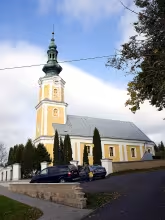
The Church of Saint Barbara and Saint Catherine in Světlá stands as a testament to late Baroque architectural elegance in the Czech Republic. Centrally located in a cemetery in the village of Světlá, part of Okres Bruntál in Moravskoslezský kraj, this cultural monument was completed in 1798. Its significance lies not only in its historical and religious importance but also as an embodiment of artistic and architectural developments during the late 18th century under the Habsburg Monarchy.
Světlá's origins trace back to a first documented mention in 1267, marking it as a site with deep-rooted history. Constructed in 1798, the church served both spiritual needs and reflected cultural influences of its time. During this period, Bohemia experienced significant architectural advancements influenced by Baroque styles, which emphasized grandeur and detail, often seen in religious structures. This church is dedicated to Saint Barbara, patroness of miners, highlighting the community's connection to mining activities prevalent during that era.
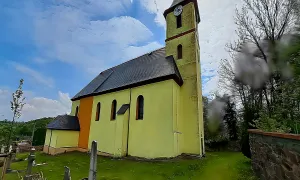
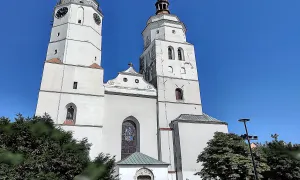
Architecturally, the Church exemplifies late Baroque design through its single-nave structure made predominantly from brick. It features a semi-circular closure at one end and an attached sacristy, enhancing both functionality and aesthetic appeal. A notable element is the square tower positioned along the facade's axis, which includes a stone base and arched corners, adding to the church’s imposing presence. Inside, visitors can admire original frescoes that replace traditional altar paintings, providing insight into artistic practices of the time. The interior also houses a pulpit, Stations of the Cross, and an organ crafted in 1913 by the renowned Rieger-Kloss company from Krnov, further enriching its historical value.
Throughout its history, the church has remained under the administration of the parish of Malá Morávka within the Bruntál Deanery. The last significant repairs were undertaken in 2010, ensuring that this cultural monument continues to stand as a well-preserved example of late Baroque architecture and religious heritage.
Today, the Church remains an accessible site for visitors interested in exploring its historical and architectural significance. Its location amidst the serene landscapes typical of Moravskoslezský kraj adds to its allure, making it a worthwhile destination for those keen on understanding the cultural tapestry of the region. The church not only offers a glimpse into the past but also serves as a reminder of the enduring legacy of Baroque architecture in Bohemia.
Visiting this monument provides an opportunity to appreciate the intricate details and historical narratives embedded within its walls, making it a valuable addition to any itinerary exploring Czech cultural heritage.
Historical milestones
- 1267
- První písemná zmínka o Světlé.
- 1798
- Dokončení kostela svaté Barbory a svaté Kateřiny.
- 1913
- Výroba varhanního nástroje firmy Rieger-Kloss.
- 2010
- Poslední významné opravy kostela.
Architectural development
The church is a single-nave late Baroque structure with a semi-circular closure. It features a square tower at the facade's axis, adorned with a stone base and an arched corner. The interior retains original frescoes, a pulpit, Stations of the Cross, and organ pipes from 1913.
Historical events
1798: Construction of the Church of Saint Barbara and Saint Catherine was completed.
2010: The church underwent its last set of repairs.
Points of interest
- The Church of Saint Barbara was built during a time when the Habsburg Monarchy encouraged architectural innovation, reflecting broader European trends in religious building design. - Despite its Baroque style, the church features frescoes rather than traditional altar paintings, showcasing an artistic choice that diverges from more common practices of the era. - The organ inside the church was crafted by Rieger-Kloss, a company known for creating some of the finest organs in Europe, indicating the high cultural value placed on music within this community.
Guide
Show guide text
Welcome to the Church of Saint Barbara and Saint Catherine in Světlá, a remarkable testament to late Baroque architecture nestled within this serene cemetery setting. As you stand here, take a moment to absorb the surroundings: the church's brick façade stands as a silent witness to centuries of history, its presence both commanding and inviting.
Let us delve into the origins of this beautiful structure. The first recorded mention of Světlá dates back to 1267, but it wasn't until 1798 that this impressive church was completed. During this period, under the Habsburg Monarchy's influence, there was a significant push towards architectural innovation across Europe—a trend reflected in the design of this church.
As you look around, notice how the church is oriented from east to west with its semi-circular closure and an attached sacristy. These elements are characteristic of Baroque architecture, emphasizing grandeur and movement. Inside, one of the most striking features is the presence of original frescoes that replace traditional altar paintings—a unique choice for a building of this style.
While specific architects remain unknown, the church's construction reflects broader European architectural trends of its time. The use of frescoes instead of altar paintings suggests an intriguing artistic decision, perhaps indicative of local tastes or influences during its creation.
In 1913, another layer of history was added to this site with the installation of a Rieger-Kloss organ, enhancing the church's auditory experience and adding to its cultural significance. Fast forward to 2010, when the last significant restoration took place, ensuring that this historical gem continues to stand proud for future generations.
Now, let your curiosity guide you as we explore further. Imagine the countless stories these walls could tell—of communities gathered in worship, of music filling the air from the organ pipes, and of artists who left their mark with every brushstroke on the frescoes.
As you continue your journey through Světlá, I invite you to immerse yourself in the history and beauty surrounding you. Take your time to explore every detail, for each one is a piece of a larger story waiting to be discovered.
Thank you for joining me today at this enchanting site. May your visit inspire further exploration and appreciation of the rich tapestry of history that surrounds us.
Businesses nearby
Do you run a restaurant, accommodation, shop, museum, rental, wellness or other visitor service near this monument? Show yourself directly to the people heading to it — this is how they will see you in the app and on the web:
Nearby
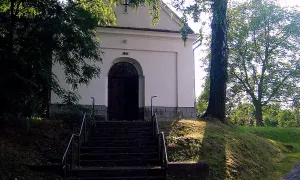
Located in Světlá within the Okres Bruntál region, the church is situated amidst a cemetery. The surrounding area includes natural landscapes typical of Moravskoslezský kraj.
Accommodation nearby
Themed route
Tematická výletní trasa: Kostel svaté Barbory (Světlá)
1. Kostel svaté Barbory, Světlá - *Typ*: Historická památka - *Proč stojí za návštěvu*: Tento barokní kostel je hlavním cílem výletu a nabízí pohled na bohatou historii a architekturu regionu. Je umístěn uprostřed hřbitova, což přidává klidného prostředí pro návštěvníky.
2. Hřbitov u kostela svaté Barbory - *Typ*: Historický a kulturní areál - *Proč stojí za návštěvu*: Hřbitov, který obklopuje kostel, je významným místem s historickými hroby a památníky. Nabízí jedinečnou příležitost prozkoumat minulost obce a uctít její předky.
3. Nádvoří kostela svaté Barbory - *Typ*: Kulturní prostor - *Proč stojí za návštěvu*: Nádvoří poskytuje místo pro odpočinek a reflexi, zatímco si užíváte panoramatický pohled na okolní krajinu. Je ideální pro fotografování a relaxaci v přírodním prostředí.
4. Věž kostela svaté Barbory - *Typ*: Architektonická památka - *Proč stojí za návštěvu*: Výstup na věž nabízí úchvatnou vyhlídku na okolní Moravskoslezský kraj. Je to skvělá příležitost pro zábavné a poutavé fotky, stejně jako pro poznání historie stavby.
5. Parková oblast kolem kostela - *Typ*: Přírodní prostor - *Proč stojí za návštěvu*: Parková zeleň kolem kostela a hřbitova poskytuje klidné místo pro relaxaci. Je to ideální krok na konci výletu, kde můžete užít si přírodního prostředí a klidně závěr vaší cesty.
Tato trasa nabízí komplexní pohled na kulturní a historické aspekty obce Světlá, zaměřený na kostel svaté Barbory a jeho okolí.
Seasonal recommendations
Spring: The arrival of spring at the Church of Saint Barbara in Světlá brings a gentle awakening as nature begins to bloom around this historic site. The soft light filtering through budding trees creates a serene and picturesque atmosphere, ideal for photography enthusiasts. Visitors can enjoy relatively mild weather, making it perfect for leisurely exploration without the summer crowds. It's advisable to wear layers, as temperatures can fluctuate, and early mornings or late afternoons are optimal times to visit when lighting is most flattering.
Summer: Summer at the Church of Saint Barbara offers vibrant days filled with lush greenery and warm sunshine that accentuates the architectural beauty of the church. This season sees increased visitor numbers due to its popularity during the peak travel period, so arriving early in the day can help avoid larger crowds. Comfortable walking shoes and light clothing are recommended as temperatures rise, ensuring a pleasant experience while exploring both the interior's historical artifacts and the surrounding landscapes.
Autumn: The autumn months transform Světlá into a kaleidoscope of warm colors, with leaves changing to vibrant hues that provide a stunning backdrop for the Church of Saint Barbara. This season offers a more tranquil visiting experience as tourist numbers dwindle compared to summer. Visitors should dress in layers to accommodate cooler temperatures and enjoy shorter daylight hours by planning visits during midday when lighting is optimal. The crisp air adds an enchanting quality, making it a delightful time for those who appreciate the beauty of fall.
Winter: Winter envelops the Church of Saint Barbara in a serene blanket of snow, creating a magical atmosphere that enhances its historic charm. The shorter days mean visiting hours are limited, so planning ahead is crucial to make the most of your trip. Warm clothing and sturdy footwear are essential for comfort during this chilly season. Despite fewer visitors, the church's interior offers warmth and solace with its rich history and artistry, providing a unique experience distinct from other times of the year.
Visualizations and artistic views

Vizualizace jsou generovány umělou inteligencí a slouží jako inspirace.


Tips from visitors
No tips yet. Be the first!
Log in and add your tip.
Reviews and comments