






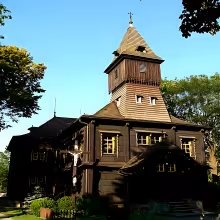
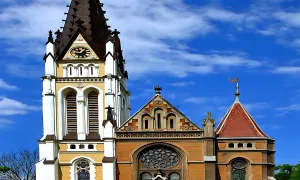
Kostel Povýšení svatého Kříže in Bystřice is a Roman Catholic church built in the Neo-Renaissance style. It replaced an older wooden chapel from 1587, which fell into disrepair and was demolished in 1897. Located in the village of Bystřice within the Moravskoslezský kraj region, this church reflects the architectural transition of its time. It holds historical significance for serving the local Catholic community since its construction.
The origins of Kostel Povýšení svatého Kříže date back to 1584 when a bell was cast and hung on the Bystřice cemetery, marking the beginning of the church's history. The original wooden chapel built in 1587 served as a focal point for Catholic worship until it deteriorated over time. By 1897, due to its dilapidated state, the chapel was demolished, making way for the current Neo-Renaissance style church. This period reflects broader European trends of Renaissance revival.
Architecturally, the new church embodies the Neo-Renaissance style, marking a departure from the original wooden structure. The transition highlights cultural and stylistic shifts during the late 19th century. Notably, in 1748, roof repairs on the old chapel revealed a hidden chamber with silver liturgical items, offering insights into local evangelical religious practices at the time.
Throughout its history, Kostel Povýšení svatého Kříže has witnessed significant events and curiosities. The original wooden chapel underwent several repair phases, including major work in 1748 and 1801. A valuable altar from 1588, originally part of the old chapel, now resides as a left-side altar in the new church. This continuity underscores the site's historical depth.
Today, Kostel Povýšení svatého Kříže stands as an accessible monument serving its community. In 2023, new bells were installed in the tower, enhancing its auditory presence. The church remains a focal point for Catholic worship and is surrounded by a historic cemetery where both Catholics and Protestants from Bystřice and Karpentné have been interred.
Visiting Kostel Povýšení svatého Kříže offers insight into the architectural evolution of the region and its rich religious history. The church's enduring presence makes it a worthwhile destination for those interested in exploring Bystřice's cultural heritage.
Historical milestones
- 1584
- Bell cast and hung on Bystřice cemetery.
- 1587
- Original wooden chapel built for Catholic worship.
- 1748
- Roof repairs reveal hidden chamber with silver liturgical items.
- 1801
- Major repair work on the old chapel.
- 1897
- Old wooden chapel demolished; Neo-Renaissance church built.
Architectural development
The original wooden chapel built in 1587 underwent several phases of repair and reconstruction, including significant work in 1748 and 1801. The chapel was eventually demolished in 1897, leading to the construction of the current Neo-Renaissance style church. Notably, a hidden chamber containing silver liturgical items was discovered during roof repairs.
Historical events
In 1584, a bell was cast and hung in a belfry on the Bystřice cemetery, marking the beginning of the church's history.
The original wooden chapel was replaced by a new Neo-Renaissance style church in 1897 due to its deteriorated condition.
Points of interest
- In 1748, roof repairs on the old chapel revealed a hidden chamber containing silver liturgical items, shedding light on local evangelical religious practices of that era.
- The original wooden chapel built in 1587 had undergone several repair phases over the centuries, with significant work done in both 1748 and 1801 to maintain its structure before it was eventually demolished.
Guide
Show guide text
Welcome to the historic site of Kostel Povýšení svatého Kříže in Bystřice, a remarkable testament to both faith and architecture nestled within this charming locale. As you stand here before us today, take a moment to absorb your surroundings—the Neo-Renaissance style church that gracefully commands the landscape with its elegant lines and harmonious proportions.
Our story begins in 1587 when a humble wooden chapel was constructed here for Catholic worship. Over time, as it aged, this original structure underwent numerous repairs, reflecting the community's enduring devotion. By 1748, work on the roof unveiled a hidden chamber containing silver liturgical items—fascinating relics that offer us a glimpse into local evangelical practices of that era.
Fast forward to 1897, when the old wooden chapel was deemed beyond repair and ultimately demolished. In its place rose this Neo-Renaissance masterpiece, embodying the architectural transition of the region during that period. The church's design reflects a blend of history and innovation, capturing the spirit of an evolving community while honoring its past.
As you explore further, take note of the church’s intricate details—the craftsmanship evident in every archway and window frame. Although the architects remain unknown, their vision has left us with a structure that stands as both a place of worship and a symbol of cultural heritage.
Throughout its history, this site has been more than just a building; it's been a focal point for the local religious community. From the original bell cast in 1584 to the major repairs of 1801, each phase tells a story of resilience and faith.
Now, let your curiosity guide you as you delve deeper into the church’s history. Imagine the lives that have passed through these doors, the prayers whispered within its walls, and the community gatherings it has hosted over the centuries.
As we conclude our audio tour, I invite you to continue exploring Bystřice and discover more about this region's rich tapestry of history and culture. Thank you for joining us today at Kostel Povýšení svatého Kříže—a place where past and present beautifully intertwine. Safe travels on your journey through time!
Tips for visitors
The best time to visit the Church of the Exaltation of the Holy Cross in Bystřice is during late spring or early autumn, when the weather is pleasant for walking around and exploring the area. These seasons offer mild temperatures and beautiful natural surroundings, enhancing your experience. Additionally, visiting on a weekday can provide a quieter atmosphere compared to weekends, allowing you to appreciate the Neo-Renaissance architecture without large crowds.
Parking near the church is limited, so it's advisable to use public transportation if possible. The area around Bystřice is accessible by bus, and you can check current routes online for convenience. If driving, look for parking spots in nearby areas or along main roads leading into Bystřice. Always verify the latest transport options before your visit.
When visiting the church, it's a good idea to bring comfortable walking shoes as there may be some uneven paths around the site. A camera is recommended to capture the stunning architecture and serene environment, especially during golden hour when the light is soft and warm. Don't forget water and snacks if you plan on spending several hours exploring.
Photography enthusiasts will find that the best spots for capturing the church are from the front entrance or along the pathways leading up to it, where the natural lighting enhances its Neo-Renaissance features. Early morning or late afternoon light provides a beautiful glow on the structure. For families with children, consider bringing a small picnic and exploring nearby green spaces within walking distance to create a memorable outing.
In the vicinity of Bystřice, you can explore other attractions within a 30-minute drive. The surrounding countryside offers scenic trails perfect for a leisurely walk or bike ride. While specific sites aren't listed in your provided data, these natural areas provide a great opportunity for families to enjoy outdoor activities and learn about local flora and fauna.
Businesses nearby
Do you run a restaurant, accommodation, shop, museum, rental, wellness or other visitor service near this monument? Show yourself directly to the people heading to it — this is how they will see you in the app and on the web:
Accommodation nearby
Themed route
Tematická výletní trasa: Kostel Povýšení svatého Kříže (Bystřice)
1. Kostel Povýšení svatého Kříže - *Typ:* Historický kostel - *Proč stojí za návštěvu:* Tento barokní kostel, postavený v první polovině 18. století, je architektonickou perli regionu s bohatou historií a uměleckými detailemi. Je ideálním místem pro ty, kdo mají zájem o duchovní i kulturní dědictví Bystřice.
2. Nádvoří kostela - *Typ:* Historické nádvoří - *Proč stojí za návštěvu:* Nádvoří poskytuje klidné místo k prozkoumání, s jeho historickými architektonickými prvky a možností uvolnění se v přírodním prostředí. Je to ideální místo pro relaxaci po návštěvě kostela.
3. Věž kostela - *Typ:* Historická věž - *Proč stojí za návštěvu:* Výhled z věže nabízí jedinečnou perspektivu na obec Bystřice a okolní krajinu. Je to skvělá příležitost pro fotografy i ty, kdo mají rádi pohledy, s možností si užít klidného okamžiku v tichém prostředí.
4. Park kolem kostela - *Typ:* Místní park - *Proč stojí za návštěvu:* Park nabízí mírné procházky mezi starými stromy a zelenou trávníkovou plochou, což je ideální pro rodiny nebo ty, kdo hledají klidnou chvilku v přírodě. Je to dokonalé místo pro relaxaci po návštěvě kostela a jeho okolí.
Tato trasa nabízí kombinaci historických a přírodních zážitků, které jsou snadno dostupné v obci Bystřice.
Seasonal recommendations
Spring: Visiting the Church of the Exaltation of the Holy Cross during spring offers a unique experience as nature awakens around Bystřice, with blooming flowers and fresh greenery enhancing the church's historic charm. The soft light filtering through budding trees creates a serene atmosphere that complements the architectural beauty of this historical site. Spring is generally less crowded than summer, making it an ideal time for those who prefer a quieter visit. Visitors are advised to wear layers as temperatures can vary; mornings and evenings may be cool while afternoons warm up. Early spring visits might require waterproof footwear due to potential rain showers.
Summer: Summer at the Church of the Exaltation of the Holy Cross is characterized by long, sunlit days that illuminate its historic façade, creating a vibrant atmosphere perfect for photography enthusiasts. The surrounding nature is lush and full of life, providing picturesque backdrops. This is the peak tourist season, so visitors should expect larger crowds, especially during weekends and holidays. Arriving early in the morning can help avoid the busiest times. Comfortable walking shoes and light clothing are recommended to stay cool under the summer sun, while a hat or sunglasses might be useful for protection.
Autumn: Autumn brings a stunning display of colors as the leaves around the Church of the Exaltation of the Holy Cross turn vibrant shades of red, orange, and yellow. This picturesque setting offers a magical atmosphere that enhances the historical allure of the site. The cooler temperatures make it pleasant for exploring without the summer heat, though visitors should be prepared for occasional rain showers by wearing waterproof clothing or carrying an umbrella. Autumn is less crowded than summer, providing a more relaxed visiting experience.
Winter: Winter transforms the Church of the Exaltation of the Holy Cross into a serene and almost mystical site with snow-covered surroundings that highlight its architectural details in stark contrast. The shorter days mean visits are best planned during daylight hours, as some attractions might have reduced opening times. The atmosphere is quieter and more contemplative, ideal for those seeking solitude or reflection. Visitors should dress warmly in layers to combat the cold and consider bringing gloves and a hat. Snow can add an extra layer of beauty but also requires caution when walking on potentially slippery paths.
Visualizations and artistic views

Vizualizace jsou generovány umělou inteligencí a slouží jako inspirace.


Tips from visitors
No tips yet. Be the first!
Log in and add your tip.

Reviews and comments