





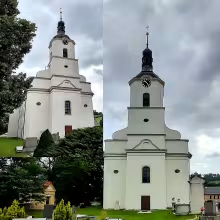
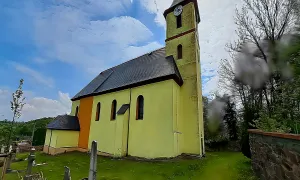
The Church of the Holy Trinity in Zátor is a notable baroque single-nave brick church with a stepped bell tower, recognized as a cultural monument in the Czech Republic. Situated in Zátor, Moravskoslezský kraj, it was originally constructed between 1753 and 1755 under Václav kníže Liechtenstein's patronage. Its historical significance is highlighted by its reconstruction following destruction during the Thirty Years' War.
Zátor traces back to 1377, with the first documented mention of a wooden Lutheran church featuring a stone bell tower. This structure was destroyed by Swedish forces at the end of the Thirty Years' War. The rebuilding effort from 1753 to 1755 transformed it into its current baroque form under Václav kníže Liechtenstein's patronage, reflecting architectural and cultural shifts in Europe during that period.
Architecturally, the Church is characterized by its baroque style, featuring a single-nave brick construction with a distinctive stepped bell tower. It underwent significant restoration between 2014 and 2015 to ensure preservation for future generations. Internally, it houses five altars: one main altar and four side altars, all adorned with polychrome decorations. Notably, the church's bells include an original from 1597 by Zachariáš Milner, which was requisitioned during World War I but later returned.
Throughout its history, the church has seen various administrative changes, most notably under Václav kníže Liechtenstein’s patronage during its reconstruction. In 1783, a cemetery wall and parish house were added around the church area, enhancing its community role. The church is part of the Děkanát Krnov, indicating its ecclesiastical significance.
Key events include its destruction by Swedish forces during the Thirty Years' War and subsequent reconstruction under Václav kníže Liechtenstein's patronage. Additionally, the church bells have a storied history, particularly the 1597 bell by Zachariáš Milner, which was temporarily requisitioned but later returned.
Today, the Church of the Holy Trinity stands as an accessible cultural monument, inviting visitors to explore its rich historical and architectural heritage. The surrounding cemetery features four neoclassical chapels belonging to nearby villages, offering a glimpse into local architectural traditions. Its preservation efforts ensure it remains significant for both historical study and tourism.
The Church of the Holy Trinity in Zátor is not only a testament to baroque architecture but also a symbol of resilience through its history of destruction and reconstruction. Visitors are encouraged to explore this remarkable monument, appreciating its cultural significance and architectural beauty within the serene setting of Zátor.
Historical milestones
- 1753–1755
- Reconstruction of the Church under Václav kníže Liechtenstein's patronage.
- 1783
- Construction of a cemetery wall and parish house around the church area.
- 2014–2015
- Restoration work on the church costing approximately 5.7 million Czech koruna.
Architectural development
Originally a wooden structure with a stone bell tower, the Church of the Holy Trinity was destroyed in the Thirty Years' War. It was rebuilt between 1753 and 1755 as a baroque brick church. The roof of the bell tower was repaired in 1900, and significant restoration work occurred from 2014 to 2015.
Historical events
The original wooden Lutheran church was destroyed by Swedish forces during the Thirty Years' War.
Reconstruction of the church took place between 1753 and 1755 under Václav kníže Liechtenstein's patronage.
Points of interest
- The Church of the Holy Trinity originally featured a wooden Lutheran structure with a stone bell tower before being destroyed by Swedish forces at the end of the Thirty Years' War. - An original bell from 1597 crafted by Zachariáš Milner was requisitioned during World War I but later returned to the church, adding historical intrigue to its collection. - In 1783, a cemetery wall and parish house were constructed around the church area, enhancing its role as a community center in Zátor.
Guide
Show guide text
Welcome to the Church of the Holy Trinity in Zátor, a remarkable testament to resilience and history nestled within this picturesque locale. As you stand before it, take a moment to absorb its presence—a baroque single-nave brick church that whispers tales from centuries past. Its stepped bell tower reaches towards the sky, inviting your gaze upward as if holding stories waiting to be discovered.
The origins of this sacred site are steeped in history and transformation. Originally constructed as a wooden Lutheran church, it bore witness to the tumultuous times of the Thirty Years' War. Swedish forces laid waste to its structure at the war's end, leaving behind only echoes of what once was. It wasn't until between 1753 and 1755 that the Church of the Holy Trinity rose again from its ashes. Under the patronage of Václav kníže Liechtenstein, it was reborn in a baroque style, marking a new chapter for this enduring edifice.
As you approach, notice the intricacies of its architecture—a testament to the era's craftsmanship and aesthetic sensibilities. The church features baroque altars that beckon further exploration, their details speaking volumes about the period's religious artistry. Although the exact architects remain unknown, their vision has left an indelible mark on this sacred space.
This site is not just a place of worship but also a canvas for stories and personalities that have shaped its journey through time. The involvement of Václav kníže Liechtenstein in its reconstruction highlights the church's significance within the community and beyond, serving as a beacon of hope and renewal during challenging times.
One cannot help but be intrigued by the church's resilience and the artifacts it has safeguarded over the centuries. An original bell from 1597, crafted by Zachariáš Milner, once called to the faithful from its tower. Its requisitioning during World War I and subsequent return adds a layer of intrigue to the church’s history, symbolizing endurance through adversity.
In recent years, between 2014 and 2015, the Church of the Holy Trinity underwent significant restoration work, costing approximately 5.7 million Czech koruna. This effort ensured that its beauty and historical integrity would be preserved for future generations to admire and learn from.
As you stand here, let yourself be enveloped by the atmosphere—feel the weight of history in the air and the stories embedded within these walls. The Church of the Holy Trinity is not just a monument but a living narrative of faith, resilience, and community spirit.
We invite you to continue exploring this remarkable site, perhaps wandering around its perimeter or reflecting on the cemetery wall constructed in 1783, which adds another layer to its rich tapestry. Each step here offers new insights into the past and an opportunity to connect with the generations who have walked these grounds before us.
Thank you for joining us on this journey through time at the Church of the Holy Trinity in Zátor. May your visit inspire reflection and a deeper appreciation for the stories that bind us across centuries. Farewell, until our paths cross again in another chapter of discovery.
Tips for visitors
The best time to visit the Church of the Holy Trinity in Zátor is during late spring or early autumn, when the weather is pleasant for walking around the cemetery and exploring the surrounding chapels. These seasons offer a comfortable climate that enhances your experience, allowing you to appreciate the architectural details without the discomfort of extreme heat or cold. Additionally, visiting outside peak tourist season can provide a more serene atmosphere, enabling better opportunities for photography and reflection.
Parking is available near Zátor, but it's advisable to check local resources for specific locations as availability may vary. Public transportation options are also accessible; you can use regional buses that connect to nearby towns. For the most current travel information, including schedules and routes, consult a reliable online search tool or contact local tourism offices. This ensures a smooth journey to the church without any last-minute surprises.
When visiting the Church of the Holy Trinity, consider bringing comfortable walking shoes as you'll likely explore the cemetery and its chapels. A camera is recommended for capturing the intricate baroque architecture and serene surroundings. Additionally, carrying a light jacket or sweater can be beneficial, especially if you plan to visit during cooler months or in the early morning when temperatures may drop.
For photography enthusiasts, the best spots are around the church's bell tower and the neoclassical chapels within the cemetery. Early morning light provides soft illumination that accentuates the architectural details of the structures. The surrounding greenery also offers a picturesque backdrop for your photos. Be mindful of any restrictions on flash photography to preserve the tranquility of the site.
Nearby, within 30 minutes' travel, you can explore additional sites like local museums or historical landmarks in the Moravskoslezský region that offer insights into the area's rich cultural heritage. These destinations provide a broader context for understanding the significance of Zátor and its architectural treasures. Families with children might enjoy interactive exhibits or guided tours tailored to younger audiences, making history engaging and educational.
Businesses nearby
Do you run a restaurant, accommodation, shop, museum, rental, wellness or other visitor service near this monument? Show yourself directly to the people heading to it — this is how they will see you in the app and on the web:
Nearby
The church is surrounded by a cemetery featuring four neoclassical chapels belonging to nearby villages. The area offers a glimpse into the local architectural and cultural heritage.
Accommodation nearby
Themed route
Thematic Walking Tour: The Church of the Holy Trinity and Surrounding Chapels
1. Kostel Nejsvětější Trojice (Zátor) - Type: Historical Church - Why Visit: Begin your journey at this stunning example of neoclassical architecture, which stands as a testament to the rich cultural and religious heritage of Zátor. The church's elegant design and serene atmosphere make it an ideal starting point for exploring the area’s historical significance.
2. Neoclassical Chapel 1 - Type: Cemetery Chapel - Why Visit: Located within the cemetery surrounding the church, this chapel is one of four neoclassical chapels that represent the architectural beauty and cultural traditions of nearby villages. Its intricate design offers insight into local craftsmanship and religious practices.
3. Neoclassical Chapel 2 - Type: Cemetery Chapel - Why Visit: A short walk from Chapel 1, this chapel continues the narrative of neoclassical architecture in Zátor’s cemetery. Each chapel has its own unique features and stories, reflecting the diverse heritage of the surrounding communities.
4. Neoclassical Chapel 3 - Type: Cemetery Chapel - Why Visit: As you explore further into the cemetery, this chapel provides another glimpse into the area's architectural history. Its serene setting offers a peaceful moment for reflection amidst the historical surroundings.
5. Neoclassical Chapel 4 - Type: Cemetery Chapel - Why Visit: Conclude your tour at the final chapel in the series, completing your exploration of Zátor’s neoclassical heritage. Each visit to these chapels enriches your understanding of the local culture and history, making this a fulfilling journey through time.
This thematic walking tour offers a comprehensive look into the architectural and cultural treasures surrounding Kostel Nejsvětější Trojice in Zátor, providing visitors with an immersive experience of the area's historical landscape.
Seasonal recommendations
Spring: The arrival of spring at the Church of the Holy Trinity in Zátor brings a vibrant transformation to its surroundings, with lush greenery and blooming flowers creating a picturesque setting that enhances the historical beauty of the church. The soft natural light filtering through the trees provides an ideal atmosphere for photography and peaceful contemplation. Visitors are advised to wear comfortable walking shoes as they explore the scenic trails around Zátor during this season. While springtime can attract nature enthusiasts, it is generally less crowded than summer months, making it a pleasant time to visit.
Summer: Summer at the Church of the Holy Trinity offers warm, sunny days that highlight the intricate architectural details and vibrant colors of the church's interior. The lush green landscape surrounding Zátor becomes even more inviting, with opportunities for picnics and outdoor activities nearby. This is the peak tourist season, so visitors should plan to arrive early in the day to avoid larger crowds and make the most of their visit. Light, breathable clothing is recommended, along with sun protection such as hats and sunscreen.
Autumn: Autumn transforms Zátor into a tapestry of rich reds, oranges, and yellows, providing an enchanting backdrop for visits to the Church of the Holy Trinity. The cooler temperatures make it a comfortable time to explore both the church and its natural surroundings without the summer heat. This season often sees fewer tourists compared to summer, allowing for a more relaxed experience. Visitors should dress in layers to accommodate fluctuating temperatures throughout the day, and consider bringing a light jacket or sweater as evenings can be brisk.
Winter: Winter at the Church of the Holy Trinity offers a serene and magical atmosphere, with snow-covered landscapes creating a picturesque scene around the historic structure. The church's architecture is particularly striking against the white backdrop, making it a popular spot for photography enthusiasts during this season. Visitors should dress warmly in layers to enjoy their visit comfortably, as temperatures can be quite cold. It's also important to check opening hours in advance, as they may vary during winter months due to shorter daylight hours and potential weather-related closures.
Visualizations and artistic views

Vizualizace jsou generovány umělou inteligencí a slouží jako inspirace.


Tips from visitors
No tips yet. Be the first!
Log in and add your tip.
Location on the map

Příběhy a pověsti
Legendy, pověsti a příběhy spjaté s touto památkou
Reviews and comments