





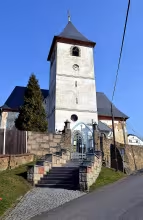
The Church of Nejsvětější Trojice in Raduň is a remarkable testament to the religious and architectural history of Moravskoslezský kraj. Constructed at the turn of the 16th and 17th centuries, this single-nave church exemplifies the transition from late Gothic to Renaissance styles. Its strategic location on rising terrain underscores its historical significance during periods of religious upheaval in Bohemia.
Raduň's origins date back to between 1312 and 1320, initially under Hradec's ecclesiastical jurisdiction. By the 14th century, as Hradec's influence declined, Komárov developed its own church and parish, incorporating nearby villages like Raduň. The Tvorkovští z Kravař family, residing in Raduň during this period, sought independence from Komárov's ecclesiastical control due to strained relations with the local kníže. Around 1550, Arnošt Tvorkovský initiated a wooden chapel dedicated to St. Anne, which gained significance as Protestantism spread across Opava. The Tvorkovští family's staunch Catholic faith ensured Raduň remained Catholic despite Komárov turning predominantly Protestant by 1580.
The deteriorating condition of the original chapel and its inability to accommodate a growing congregation led Pertold Tvorkovský to commission a new stone church in 1598. Construction faced delays due to a plague epidemic, extending over five years until completion in 1603. The church was consecrated by František kardinál Ditrichštejn on May 10, 1603, reinforcing Catholicism in the region and establishing Raduň as an independent parish with Vršovice and Suché Lazce.
Architecturally, the Church of Nejsvětější Trojice features a prominent tower with a spire built on a square base. The tower includes circular windows above the portal, original keyhole battlements, and arched windows beneath the roofline. Modifications in the 19th century introduced segmental arches for the portal and window frames.
Ownership of the church transitioned from the Tvorkovští z Kravař family to Jesuit administration following its plundering during the Thirty Years' War in 1624. The war significantly disrupted religious services, leaving Raduň without a resident priest for nearly two centuries. Despite efforts to re-establish a parish, it remained a filial of Komárov due to a shortage of clergy and ongoing conflicts.
Today, the Church of Nejsvětější Trojice is a prominent feature in Raduň, reflecting its historical resilience and architectural evolution. Visitors can explore this site to appreciate its significance as a symbol of religious endurance amidst regional turmoil. The church remains under the administration of the Opava – Komárov parish, inviting those interested in history and architecture to discover its storied past.
Historical milestones
- 1603
- The church was consecrated by František kardinál Ditrichštejn.
- 1624
- The church was plundered during the Thirty Years' War.
Architectural development
Originally a wooden chapel built by Arnošt Tvorkovský in honor of St. Anne, it was replaced by a stone church due to its deteriorating condition and inability to accommodate the growing congregation. The construction began in 1598 under Pertold Tvorkovský but was delayed by a plague epidemic, completing in 1603.
Historical events
- 1603
- The church was consecrated by František kardinál Ditrichštejn to reinforce Catholicism in Opava.
- 1624
- The church was plundered and desecrated during the Thirty Years' War, halting religious services.
Points of interest
- Despite the Church of Nejsvětější Trojice's strong Catholic roots during a time when Protestantism was spreading in Opava, it is intriguing that the Tvorkovští z Kravař family maintained their Catholic faith and influence, ensuring Raduň remained predominantly Catholic while nearby Komárov turned Protestant by 1580.
- The construction of the new stone church began in 1598 but faced significant delays due to a plague epidemic, extending the project over five years. This delay highlights how even religious projects were vulnerable to the widespread health crises of the time.
Guide
Show guide text
Welcome to the Church of Nejsvětější Trojice in Raduň! As you stand here, take a moment to absorb the serene atmosphere that surrounds this remarkable structure nestled amidst rolling landscapes. Built at the turn of the 16th and 17th centuries, the church stands as a testament to the architectural transition from late Gothic to Renaissance styles—a visual narrative etched into its walls.
Let's delve into its origins. This sacred site was consecrated in 1603 by František kardinál Ditrichštejn, marking it as an enduring symbol of Catholic faith during a period when Protestantism began spreading through the region. Despite this religious shift, Raduň remained steadfastly Catholic, largely due to the influence of the Tvorkovští z Kravař family.
Now, turn your gaze to the church's architecture. Notice how its single-nave design encapsulates both the grandeur and simplicity characteristic of its era. The structure reflects a harmonious blend of styles, with elements that invite contemplation on the historical transitions it has witnessed.
As you explore further, consider the key figures tied to this place. Arnošt Tvorkovský and Pertold Tvorkovský were among those who played pivotal roles in maintaining its Catholic heritage. Their dedication ensured Raduň's religious identity remained intact even as nearby areas like Komárov shifted.
A particularly intriguing aspect of this church is how it withstood the tumultuous events of history, such as being plundered during the Thirty Years' War in 1624. This resilience speaks volumes about its significance to those who cherished and protected it through turbulent times.
As we conclude our brief journey, I invite you to continue exploring Raduň's rich tapestry of history that surrounds this church. Each step promises new insights into a past that continues to shape the present. Thank you for joining me on this exploration, and may your visit here inspire further discovery.
Tips for visitors
The best time to visit the Church of Nejsvětější Trojice in Raduň is during late spring or early autumn when the weather is mild, and the surrounding landscape is particularly beautiful with blooming flora. Visiting during these seasons also tends to mean fewer crowds, allowing for a more serene experience while exploring this historical site. Additionally, the lighting conditions are ideal for photography, capturing the intricate details of its late Gothic to Renaissance architecture.
Parking and transportation options around Raduň are convenient. There is parking available near the church, making it accessible by car. For those preferring public transport, local bus services can be used to reach Raduń; however, it's advisable to check current routes and schedules in advance using a travel planner or app. The church’s location on rising terrain provides an excellent vantage point for both visitors arriving by foot and those exploring the area.
When planning your visit, consider bringing comfortable walking shoes as you may wish to explore the surrounding landscape and other historical sites within a 5 km radius. Also, bring a camera or smartphone with a good camera to capture the stunning architecture of the church and its picturesque surroundings. A light jacket is recommended, especially if visiting in spring or autumn, as temperatures can be cool.
Photography enthusiasts will find several spots around the Church of Nejsvětější Trojice ideal for capturing its beauty. The best lighting conditions are typically during the golden hours—shortly after sunrise and before sunset—when the sunlight casts a warm glow on the church's facade. Additionally, exploring the surrounding elevated terrain can provide unique perspectives and backdrops for photographs.
For families with children visiting the Church of Nejsvětější Trojice, it’s worth planning to explore nearby historical sites within 30 minutes' travel time. These include other architectural landmarks in the Moravskoslezský region that offer educational insights into local history and culture. Engaging activities for children can be found at these sites, making them perfect for a family day out.
Nearby attractions worth visiting include additional historical sites within a 5 km radius of Raduň. These locations provide an opportunity to delve deeper into the region's rich cultural heritage. Exploring these areas on foot or by bike can be both enjoyable and informative, offering insights into the local history and natural beauty.
Businesses nearby
Do you run a restaurant, accommodation, shop, museum, rental, wellness or other visitor service near this monument? Show yourself directly to the people heading to it — this is how they will see you in the app and on the web:
Nearby
The church is a prominent feature in Raduň, located on rising terrain. The surrounding landscape includes other historical sites and natural features within a 5 km radius.
Accommodation nearby
Themed route
Thematic Route: Historical and Natural Exploration of Raduň
1. Kostel Nejsvětější Trojice (Raduň) - Church Begin your journey at the heart of Raduň with a visit to the Kostel Nejsvětější Trojice. This church stands as a prominent historical and architectural landmark, offering insight into the region's rich cultural heritage. Its location on rising terrain provides not only spiritual significance but also stunning views of the surrounding landscape.
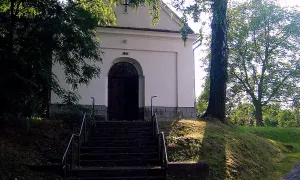
2. Historical Cemetery - Historical Site A short walk from the church will lead you to the local historical cemetery. This site is a testament to Raduň’s past, with gravestones and memorials that tell stories of generations who have lived in this area. It's an opportunity to reflect on history while enjoying the serene atmosphere.
3. Local Historical Monuments - Cultural Landmarks Continue your exploration by visiting nearby historical monuments scattered within a 5 km radius. These landmarks offer glimpses into Raduň’s architectural evolution and cultural narratives, showcasing styles that have withstood the test of time.
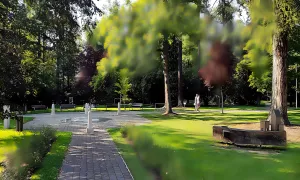
4. Nature Trail - Natural Feature Conclude your thematic route with a leisurely stroll along a nature trail close to the church. This path allows you to immerse yourself in the natural beauty of Moravskoslezský kraj, featuring native flora and fauna. The trail offers both tranquility and an opportunity for outdoor enthusiasts to connect with the environment.
This itinerary provides a balanced experience of Raduň's historical richness and natural charm, ensuring a memorable visit to this picturesque region.
Seasonal recommendations
Spring: Visiting the Church of the Holy Trinity in Raduň during spring offers a unique experience as nature awakens around this historic site. The church is enveloped by blooming flowers and lush greenery, creating a vibrant backdrop that enhances its architectural beauty. With longer daylight hours, visitors can enjoy exploring the surroundings at their leisure. It's advisable to wear comfortable walking shoes for strolls through nearby trails and bring an umbrella or raincoat as spring showers are common.
Summer: Summer is an ideal time to visit the Church of the Holy Trinity due to the pleasant weather and extended visiting hours. The warm sunlight accentuates the church’s intricate details, while lush gardens around it provide a serene atmosphere for relaxation. This season often sees higher visitor numbers, so arriving early in the day can help avoid crowds. Light clothing is recommended to stay comfortable during your visit.
Autumn: Autumn brings a picturesque change of scenery to the Church of the Holy Trinity with its rich palette of reds, oranges, and yellows. The cooler temperatures make for a pleasant exploration experience, while the shorter days mean planning ahead for visits as opening hours may be reduced. Wearing layers is advisable to adjust to fluctuating temperatures throughout the day, and carrying a jacket can help during chilly evenings.
Winter: Visiting in winter offers a serene and tranquil atmosphere at the Church of the Holy Trinity, with snow often blanketing the landscape around it. The church's architecture takes on a majestic appearance against the stark white backdrop, creating a magical setting for photography enthusiasts. Due to shorter days and potential closures during extreme weather, checking opening times is essential. Warm clothing, including hats and gloves, is recommended to ensure comfort during your visit in this colder season.
Visualizations and artistic views

Vizualizace jsou generovány umělou inteligencí a slouží jako inspirace.


Tips from visitors
No tips yet. Be the first!
Log in and add your tip.
Reviews and comments