





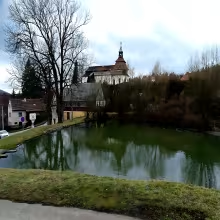
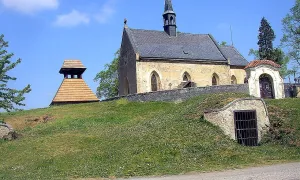
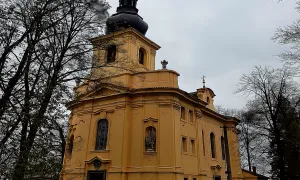
The Church of the Nativity of the Virgin Mary in Mrtník is among the oldest preserved sacred buildings in the Hořovice region. Situated in the village of Mrtník, within the Hvozdec municipality and Beroun district, this baroque church originally functioned as a miners' chapel for workers near Jedová Hora. Elevated to a plebanium by Charles IV in 1352, it underwent significant baroque expansion and remodeling during that period. Recognized as a cultural monument of the Czech Republic since 1965, its historical significance is deeply rooted in both architectural evolution and regional history.
The church's origins date back to when Bohemia was under Charles IV, Holy Roman Emperor, known for his patronage of arts and architecture. Initially built as a miners' chapel, it served local miners working near Jedová Hora, an area notorious for dangerous mining conditions due to mercury exposure. This perilous environment earned the mountain the nickname "Giftberg" or "Poison Mountain." In 1352, Charles IV elevated the chapel to a plebanium with its own parish priest, marking a significant milestone in its history.
Architecturally, the church is distinguished by its oldest part, the presbytery, dating from the mid-14th century. This section features thick walls and a polygonal closure adorned with five Gothic windows. The main nave, however, was created during an 18th-century baroque remodeling, characterized by a flat ceiling with stucco applied to a fabric structure. These architectural elements reflect both its medieval origins and later baroque influences.
Throughout history, the church has seen various owners and administrators. Initially linked to the Pešík family from Komárov, who were closely related to the lords of Mrtník, it became part of their heritage after the extinction of the local nobility in the late 14th century. The original Gothic structure was baroque remodeled by Jiří Pešík of Komárov in 1568, further enhancing its architectural significance.
The church also holds historical curiosities, such as the graves of the Pešík family and nearby Jedová Hora's mining legacy, which left a lasting impact on the region. The dangerous conditions at the mine led to numerous fatalities among miners due to mercury poisoning, adding a somber note to its history.
Today, the Church of the Nativity of the Virgin Mary in Mrtník remains an accessible cultural monument, inviting visitors to explore its rich historical tapestry and architectural beauty. Its significance as one of the oldest sacred structures in the region makes it a worthwhile destination for those interested in Czech heritage and baroque architecture.
Historical milestones
- 1352
- The miners' chapel was elevated to a plebanium by Charles IV.
- 1568
- The original Gothic church underwent baroque remodeling by Jiří Pešík of Komárov.
Architectural development
The oldest part of the church is the presbytery from the mid-14th century, featuring thick walls and polygonal closure with five Gothic windows. The main nave was created during an 18th-century baroque remodeling, characterized by a flat ceiling.
Historical events
In 1352, Charles IV elevated the miners' chapel to a plebanium with its own parish priest.
The original Gothic church was baroque remodeled in 1568 by Jiří Pešík of Komárov.
Points of interest
- The Church of the Nativity of the Virgin Mary in Mrtník was initially a miners' chapel for those working near Jedová Hora, known as "Giftberg" or "Poison Mountain," due to dangerous mercury exposure. - In 1352, Charles IV elevated this chapel to a plebanium with its own parish priest, marking an important development in its history and reflecting the influence of Bohemia's Holy Roman Emperor on regional architecture.
Guide
Show guide text
Welcome to the Church of the Nativity of the Virgin Mary in Mrtník, a remarkable testament to history and spirituality nestled in the heart of Středočeský kraj. As you stand here, take a moment to absorb the serene atmosphere surrounding this ancient structure, one of the oldest preserved sacred buildings in the Hořovice region.
The origins of this church trace back to its humble beginnings as a miners' chapel, built for those who worked perilously near Jedová Hora, or "Poison Mountain." This site was notorious for dangerous mercury exposure, earning it its ominous nickname. In 1352, an important chapter in the church's history unfolded when Charles IV elevated this modest chapel to a plebanium. This elevation granted it its own parish priest and marked a significant transformation from a simple miners' gathering place to a spiritual hub.
As you gaze upon the church now, notice how it harmoniously blends with its surroundings while showcasing elements of baroque architecture. The original Gothic structure underwent extensive remodeling in 1568 by Jiří Pešík of Komárov, infusing it with baroque flair that is evident today. While specific architectural details are not documented here, the church's silhouette and general aesthetics reflect this significant period of transformation.
Charles IV, a pivotal historical figure, played an instrumental role in shaping the destiny of this sacred site. His decision to elevate the chapel was more than just administrative; it symbolized recognition and support for the miners' community, acknowledging their importance in the region's prosperity.
One intriguing aspect of this church is its connection to Jedová Hora, a name that evokes curiosity about the lives of those who worked there amidst such hazards. This historical context adds depth to your visit, inviting you to ponder the resilience and faith of the miners who once gathered here for solace.
As we conclude our brief tour, I encourage you to linger a little longer, perhaps exploring the church's surroundings or reflecting on its rich history. Whether it’s the architectural elegance or the stories etched into its walls, there is much to discover and appreciate. Thank you for joining me today; may your visit be both enlightening and inspiring.
Businesses nearby
Do you run a restaurant, accommodation, shop, museum, rental, wellness or other visitor service near this monument? Show yourself directly to the people heading to it — this is how they will see you in the app and on the web:
Accommodation nearby
Themed route
Thematic Vltour: Architectural and Historical Exploration of Mrtník
1. Kostel Narození Panny Marie (Mrtník) - Church Begin your journey at the heart of Mrtník with the Church of the Nativity of the Virgin Mary, a stunning example of Baroque architecture. This church is renowned for its intricate design and historical significance, offering visitors a glimpse into the region's rich cultural heritage.
2. Mrtník Village Square - Public Space Stroll through the charming village square adjacent to the church. The square serves as a central gathering place in Mrtník, reflecting the traditional Czech village life. It is an ideal spot for relaxation and offers picturesque views of surrounding buildings that complement the church's architectural style.
3. Local Historical Markers - Cultural Landmarks Explore various historical markers scattered around the village. These markers provide insights into the local history and notable events associated with Mrtník, enriching your understanding of how this small community has evolved over time.
4. Village Pathways - Walking Route Follow the scenic pathways that weave through Mrtník's quaint streets. These paths offer a leisurely walk while showcasing traditional village architecture and landscapes. They provide an opportunity to appreciate the serene environment and connect with nature as you explore the area on foot.
This thematic tour of Mrtník is designed to immerse visitors in its architectural beauty and historical depth, all within the charming confines of this picturesque village.
Seasonal recommendations
Spring: The spring season at Church of the Nativity of the Virgin Mary (Mrtník) is marked by a vibrant transformation as nature awakens around the historic site. The blooming wildflowers and budding trees create a picturesque backdrop, enhancing the church's serene atmosphere. This time of year offers softer light that beautifully illuminates the intricate architectural details of the church. Visitors should expect moderate crowds, making it an ideal period for those seeking a peaceful experience without the peak season hustle. It is advisable to wear layers as temperatures can vary, and carrying a light jacket may be beneficial during cooler mornings or evenings.
Summer: During summer, Church of the Nativity of the Virgin Mary (Mrtník) basks in long daylight hours, offering ample time for exploration. The lush greenery surrounding the church is at its peak, providing a refreshing environment for visitors to enjoy. This season attracts more tourists due to favorable weather conditions and extended visiting hours, making it essential to arrive early to avoid larger crowds. Comfortable walking shoes are recommended as you may wish to explore nearby trails or paths. Light, breathable clothing is ideal to stay comfortable in the warm temperatures.
Autumn: The autumn months bring a stunning display of colors to Mrtník, with vibrant reds, oranges, and yellows adorning the landscape around Church of the Nativity of the Virgin Mary. This picturesque setting creates a magical atmosphere perfect for photography enthusiasts. Although visitor numbers begin to decrease as summer ends, it's still wise to plan your visit during weekdays or early mornings to enjoy a more tranquil experience. Layered clothing is advisable due to cooler temperatures and potential rain showers, ensuring you remain comfortable throughout your visit.
Winter: Visiting Church of the Nativity of the Virgin Mary (Mrtník) in winter offers a unique charm with its serene snowy landscape that transforms the area into a quiet, peaceful haven. The church's architecture is particularly striking against the white backdrop, creating an ethereal atmosphere. However, shorter daylight hours and potential closures during extreme weather conditions mean it's crucial to check opening times before planning your visit. Dress warmly in layers, including thermal wear and waterproof outer garments, as temperatures can be quite cold. An early arrival allows you to fully appreciate the winter scenery while avoiding any sudden changes in weather.
Visualizations and artistic views

Vizualizace jsou generovány umělou inteligencí a slouží jako inspirace.


Tips from visitors
No tips yet. Be the first!
Log in and add your tip.




Reviews and comments