





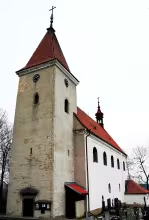
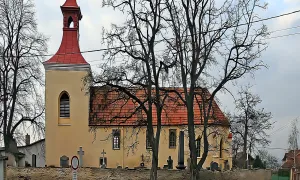
Kostel Nanebevzetí Panny Marie in Třebsko is a baroque-style parish church with historical significance dating back to the 13th century. Situated on a hill overlooking the town of Třebsko in Středočeský kraj, this cultural monument showcases architectural evolution and rich history. It is notable for its connections to figures like composer Jakub Jan Ryba and Antonín Dvořák, offering insights into Bohemia's cultural development during the Baroque period.
The church likely originated with Romanesque or early Gothic elements in the first half of the 13th century. Its first documented mention dates back to 1352, marking its longstanding presence in the region. In the 17th century, it underwent significant transformation into the baroque style that characterizes it today. This period was marked by cultural development under Habsburg rule, with Catholic Counter-Reformation ideals influencing architecture and art throughout Bohemia.
Architecturally, Kostel Nanebevzetí Panny Marie has experienced several transformations. Its initial Romanesque or early Gothic structure was extensively rebuilt in the Baroque style during the 17th century. Despite suffering a devastating fire in 1953 caused by lightning—resulting in only its outer walls remaining—the church was completely restored by 1957, preserving its historical and architectural essence.
Throughout its history, Kostel Nanebevzetí Panny Marie has been associated with several notable figures. In 1790, Jakub Jan Ryba married Anna Laglerová at the church, linking it to his legacy as a composer and educator. Antonín Dvořák, another prominent musician, frequently visited the church, even purchasing new organs in 1894 using funds from his first trip to the United States. The current organ, installed after the fire, was a gift from the Pelherter family, originally located in Klášterec nad Ohří.
The church's surroundings add to its historical allure. Situated on a hill with an expanded cemetery, it features three crosses and a statue of Saint John Nepomucene nearby. A local legend speaks of a hermit who lived near the site, adding a layer of mystique to its history. This tale suggests that when he died, the church bells rang by themselves, and his wish for burial at Třebsko was symbolized by oxen arriving with a cart.
Today, Kostel Nanebevzetí Panny Marie stands as a well-preserved monument accessible to visitors interested in its historical and cultural significance. Its architectural beauty and storied past make it a compelling destination for those exploring the rich tapestry of Bohemian history. Visitors are invited to experience this remarkable site, where echoes of the past meet the present in a harmonious blend of artistry and tradition.
Historical milestones
- c.
Architectural development
Kostel Nanebevzetí Panny Marie has undergone significant architectural transformations. Initially featuring Romanesque or early Gothic elements, it was extensively rebuilt in the Baroque style during the 17th century. The church suffered a devastating fire in 1953 but was restored by 1957.
Historical events
- 1352
- First documented mention of the church.
- 1790
- Jakub Jan Ryba married Anna Laglerová at the church.
- 1953
- The church was destroyed by fire caused by lightning, with only its outer walls remaining.
- 1957
- The church was completely restored after the fire.
Points of interest
- A local legend tells of a hermit who lived near the church; upon his death, it is said that the bells rang by themselves and oxen mysteriously arrived with a cart to fulfill his wish for burial at Třebsko.
- The church's organ has an intriguing history: after being destroyed in a fire in 1953, a new one was installed as a gift from the Pelherter family, originally from Klášterec nad Ohří, reflecting international connections and generosity.
Guide
Show guide text
Welcome to the historic site of Kostel Nanebevzetí Panny Marie in Třebsko, a remarkable testament to architectural evolution and cultural heritage. As you stand before this majestic structure, take a moment to absorb its grandeur. The church's baroque façade exudes an air of elegance and mystery, inviting you into centuries of stories etched into its walls.
The origins of this sacred site trace back to the 13th century, where it began with Romanesque or early Gothic elements—a testament to the architectural styles that flourished during that era. By the mid-14th century, specifically in 1352, Kostel Nanebevzetí Panny Marie was formally documented, marking its significance within the community. The church underwent a significant transformation in the 17th century when it embraced baroque architecture, influenced by the period's artistic and religious movements.
As you explore further, notice how the baroque style has been masterfully integrated into the church’s structure, enhancing its visual appeal with intricate details that speak of its historical journey. The craftsmanship is evident in every archway and window, beckoning you to pause and appreciate the artistry that has stood the test of time.
Kostel Nanebevzetí Panny Marie holds a special place in history for its connections to notable figures such as Jakub Jan Ryba and Antonín Dvořák. In 1790, it was here that Jakub Jan Ryba wed Anna Laglerová, intertwining his legacy with this sacred space. Later, in 1894, the renowned composer Antonín Dvořák acquired new organs for the church using funds from his first tour to the United States—a gesture reflecting his deep connection to Třebsko.
An intriguing legend adds a layer of mystique to Kostel Nanebevzetí Panny Marie. It is said that a hermit lived nearby, and upon his death, the bells rang without human touch while oxen mysteriously brought a cart for his burial at this very site—a tale that invites wonder and curiosity.
Despite facing adversity, such as the devastating fire in 1953 that destroyed its interior but spared the outer walls, the church remains resilient. This resilience is mirrored in the community's enduring spirit and commitment to preserving their cultural heritage.
As you conclude your visit, I invite you to linger a moment longer, soaking in the atmosphere of Kostel Nanebevzetí Panny Marie. Whether it’s the echoes of history or the whispers of legends that draw you in, this church offers a unique journey through time and artistry. Thank you for joining me today; may your exploration inspire continued discovery and appreciation for the stories etched into our world's historic sites.
Tips for visitors
The best time to visit Kostel Nanebevzetí Panny Marie is during the late spring or early fall when the weather is pleasant, and the surrounding countryside of Třebsko is particularly beautiful. During these seasons, you can enjoy a comfortable exploration of the church's baroque architecture without the crowds that might be present in peak tourist months like summer. The natural light at this time also enhances the visual appeal of both the interior and exterior of the church.
Parking around Kostel Nanebevzetí Panny Marie is relatively convenient, with several spots available near the expanded cemetery surrounding the hill where the church sits. For those preferring public transportation, there are accessible routes that bring you close to Třebsko; however, it's advisable to check a local transport service for the most current schedules and connections. Walking from these stops can offer scenic views of the area.
When visiting Kostel Nanebevzetí Panny Marie, consider bringing comfortable walking shoes as there are some inclines leading up to the church on its hilltop location. A camera is recommended to capture the stunning architecture and serene surroundings. Additionally, carrying a light jacket or sweater can be beneficial since temperatures may vary throughout the day, especially in the open areas around the church.
For photography enthusiasts, the best spots for capturing Kostel Nanebevzetí Panny Marie are from the hilltop where it is situated and from within the cemetery grounds. The morning light offers a soft glow that beautifully highlights the baroque elements of the church, while late afternoon provides dramatic shadows and warm tones. Be sure to also capture the nearby three crosses and the statue of Saint John Nepomucene for a more comprehensive view of the site's historical context.
In terms of what to see nearby within 30 minutes, visitors can explore the charming village of Třebsko itself, which offers quaint streets and local shops. The expanded cemetery surrounding the church is also worth exploring for its peaceful atmosphere and additional historical markers. These areas provide a deeper understanding of the region's cultural heritage and are ideal for a leisurely stroll after visiting the church.
Businesses nearby
Do you run a restaurant, accommodation, shop, museum, rental, wellness or other visitor service near this monument? Show yourself directly to the people heading to it — this is how they will see you in the app and on the web:
Nearby
The church is situated on a hill overlooking Třebsko, surrounded by an expanded cemetery. Nearby features include three crosses and a statue of Saint John Nepomucene.
Accommodation nearby
Themed route
Tematická výletní trasa: Kostel Nanebevzetí Panny Marie (Třebsko)
1. Kostel Nanebevzetí Panny Marie *Typ:* Historický kostel *Proč stojí za návštěvu:* Tento barokní kostel, postavený v 18. století, je nejenom duchovním centrem obce Třebsko, ale také architektonickou perli s bohatou historií a krásnou interiérovou výzdobou. Jeho poloha na vrcholu kopce nabízí impozantní pohled na okolí.
2. Rozšířené hřbitovy *Typ:* Hřbitov *Proč stojí za návštěvu:* Obklopující kostel, rozšířené hřbitovy jsou klidným místem plným historie a památek. Jsou ideálním místem pro odpočinek a reflektaci, zatímco si užíváte pokojné prostředí v přírodním okolí.
3. Tři kříže *Typ:* Pamětní kříže *Proč stojí za návštěvu:* Tyto tři kříže, nacházející se nedaleko kostela, jsou významnými památkami s historickým a kulturním významem. Každý z nich vypráví svůj příběh a je důležitým symbolem pro místní obyvatele.
4. Socha svatého Jana Nepomuckého *Typ:* Socha *Proč stojí za návštěvu:* Tato socha je věnována českému patronovi a místním obyvatelům, kteří si cení jeho historických příspěvků. Socha svatého Jana Nepomuckého je nejen uměleckým dílem, ale také významnou kulturní památkou obce.
Tato trasa nabízí pohled na bohatou historii a kulturu oblasti Třebsko, s důrazem na hlavní kostel a jeho okolní památky.
Seasonal recommendations
Spring: The arrival of spring at Nanebevzetí Panny Marie Church in Třebsko is marked by a rejuvenating atmosphere as nature awakens from its winter slumber. The surrounding landscape bursts into vibrant colors with blooming flowers, creating a picturesque setting that enhances the church's historic charm. This season often brings mild weather, making it an ideal time for leisurely visits to enjoy the fresh air and natural beauty. Visitors are advised to dress in layers as temperatures can vary throughout the day. Early morning or late afternoon visits are recommended to avoid crowds, allowing for a more tranquil experience.
Summer: Summer at Nanebevzetí Panny Marie Church is characterized by long days filled with warm sunshine, perfect for exploring the historic site and its lush surroundings. The church often hosts various outdoor events during this peak tourist season, adding to the lively atmosphere. Visitors should plan ahead due to increased foot traffic, possibly arriving early in the morning or later in the afternoon to avoid the midday crowds. Comfortable walking shoes and light clothing are essential for navigating both the church grounds and the surrounding area comfortably.
Autumn: The autumn months transform Třebsko into a tapestry of warm hues as leaves change color, creating an enchanting backdrop for Nanebevzetí Panny Marie Church. This season offers a quieter, more serene experience compared to summer, with fewer visitors enjoying the cooler weather and stunning fall scenery. It's advisable to wear layers that can be adjusted throughout the day, as temperatures may fluctuate. The golden light of late afternoon is particularly beautiful for photography and reflection, making it an excellent time for those seeking peace and inspiration.
Winter: Winter at Nanebevzetí Panny Marie Church brings a serene and magical atmosphere, with snow often blanketing the area in a soft white layer that accentuates its architectural beauty. The shorter days mean visiting hours are more limited, so planning is crucial to make the most of your time. Warm clothing, including coats, hats, gloves, and sturdy boots, is essential for comfort during this chilly season. Despite potential closures or reduced services due to weather conditions, winter offers a unique opportunity to appreciate the church's tranquil beauty in a quiet setting, away from the bustle of peak tourist seasons.
Visualizations and artistic views

Vizualizace jsou generovány umělou inteligencí a slouží jako inspirace.


Tips from visitors
No tips yet. Be the first!
Log in and add your tip.
Location on the map

Příběhy a pověsti
Legendy, pověsti a příběhy spjaté s touto památkou
Reviews and comments