





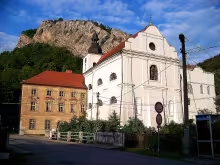
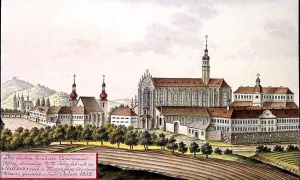
Klášter Svatý Jan pod Skalou is a historically significant cultural monument located in the town of Svatý Jan pod Skalou, within Středočeský kraj, Czech Republic. Established on the site of a cave where the legendary hermit Saint John resided, this Benedictine monastery has been recognized for its architectural and cultural value, being declared a national cultural heritage site in 2018. The site features a baroque church dedicated to Saint John the Baptist, designed by Italian architect Carlo Lurago.
The origins of Klášter Svatý Jan pod Skalou trace back to medieval Bohemia when it was part of the Holy Roman Empire. According to legend, Duke Bořivoj built a chapel on this site following instructions from Saint John the Baptist conveyed through hermit Ivan. In 1030, Duke Břetislav I donated this chapel to the Benedictine monastery of Ostrov u Davle, which subsequently established a daughter monastery here in the mid-11th century. By 1310, the site had developed into a proboštství (provostship), and by 1517, Abbot Jan V relocated monks from Ostrov to this location, adopting the title "Abbot at Saint John on Ostrov and Skály."
Architecturally, Klášter Svatý Jan pod Skalou evolved significantly over time. Initially a simple chapel, it transformed into a Benedictine monastery under Břetislav I's patronage. The late medieval period saw further development, culminating in the baroque era with the construction of a new church designed by Carlo Lurago. Oldřich Zajíc z Hazmburka played a crucial role during this time, financing several structures, including a new cave chapel.
Ownership and administration of the monastery have seen notable figures throughout its history. The Benedictine Order initially managed it in the 11th century, followed by the proboštství from 1310. Oldřich Zajíc z Hazmburka's patronage was instrumental until his death in 1494. A significant event occurred in 1584 when relics of Saint John were rediscovered, leading to annual pilgrimages known as Svatojanské poutě, which attracted even emperors like Matyáš and Ferdinand II.
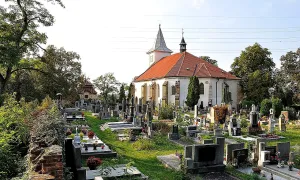
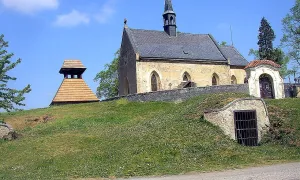
The monastery is home to several architectural and artistic features. The baroque church contains a rare marble baptismal font dated 1576 and houses one of Bohemia's oldest bells from 1404, known as "Matka Boží." Additionally, the site includes remnants of the original cave chapel and a crypt with ancient tombstones.
Today, Klášter Svatý Jan pod Skalou remains an important cultural and historical site. Visitors can explore its baroque church, view the significant bell and baptismal font, and learn about the monastery's rich history through its preserved structures and artifacts. The healing spring known as Pramen svatého Ivana adds to the site's allure, offering a glimpse into its past significance.
Klášter Svatý Jan pod Skalou stands as a testament to the region's religious and architectural heritage. Its historical depth and cultural value make it a compelling destination for those interested in exploring the rich tapestry of Czech history. Visitors are invited to experience this remarkable site, where legend and history intertwine amidst stunning baroque architecture.
Historical milestones
- 1030
- Duke Břetislav I donated the chapel to the Benedictine monastery of Ostrov u Davle.
- kolem 1050
- Establishment of a daughter monastery at Svatý Jan pod Skalou by the Benedictines.
- 1310
- The site developed into a proboštství (provostship).
- 1517
- Abbot Jan V relocated monks from Ostrov to Svatý Jan pod Skalou.
- 1584
- Relics of Saint John were rediscovered, leading to annual pilgrimages.
- 2018
- Declared a
Architectural development
Initially a chapel built by Duke Bořivoj, the site evolved into a Benedictine monastery under Břetislav I.'s patronage. The monastery underwent significant development in the late medieval period and was further enhanced during the baroque era with the construction of a new church designed by Carlo Lurago. Oldřich Zajíc z Hazmburka played a crucial role in its expansion, financing several structures including a new cave chapel.
Historical events
In 1030, Duke Břetislav I. donated a chapel to the Benedictine monastery of Ostrov u Davle.
The monastery was relocated in 1517 by Abbot Jan V., who took the title 'Abbot at Saint John on Ostrov and Skály'.
In 1584, the relics of Saint John were rediscovered, leading to the establishment of annual pilgrimages known as Svatojanské poutě.
The baroque church was consecrated in 1657 with Emperor Leopold I. laying its cornerstone.
Owners
Benedictine Order (11th century)
Proboštství (1310)
Reconstruction and patronage by Oldřich Zajíc z Hazmburka (until 1494)
Points of interest
- The legend of the monastery's origins involves Duke Bořivoj building a chapel following instructions from Saint John the Baptist through hermit Ivan, highlighting its mystical beginnings tied to divine guidance.
- In 1584, relics of Saint John were rediscovered at Klášter Svatý Jan pod Skalou, sparking annual pilgrimages known as Svatojanské poutě that attracted even emperors like Matyáš and Ferdinand II, underscoring its spiritual significance.
Guide
Show guide text
Welcome to the historic site of Klášter Svatý Jan pod Skalou, nestled in the charming town of Svatý Jan pod Skalou in the Středočeský kraj region of the Czech Republic. As you stand here, take a moment to absorb the tranquil atmosphere and the enduring presence of this significant cultural monument.
The origins of Klášter Svatý Jan pod Skalou are steeped in legend and history. It all began with Duke Břetislav I, who in 1030 donated a chapel on this site to the Benedictine monastery of Ostrov u Davle. By around 1050, a daughter monastery was established here by the Benedictines, marking the start of its spiritual journey. Over time, the importance of this site grew; by 1310, it had developed into a proboštství, or provostship. A pivotal moment came in 1517 when Abbot Jan V relocated monks from Ostrov to Svatý Jan pod Skalou, further solidifying its status as a center of monastic life.
As you wander through the site, take note of the architectural elements that define this place. The monastery's design reflects the vision of Carlo Lurago, an architect whose work has contributed significantly to the cultural and historical fabric of the area. While specific details are not visible from your current vantage point, the overall structure exudes a sense of timelessness and reverence.
Klášter Svatý Jan pod Skalou is intertwined with fascinating stories and notable figures in history. One such legend speaks of Duke Bořivoj, who was said to have built a chapel here following divine guidance from Saint John the Baptist through hermit Ivan. This mystical beginning highlights the spiritual significance of the site.
A particularly captivating chapter in its history occurred in 1584 when the relics of Saint John were rediscovered at Klášter Svatý Jan pod Skalou, sparking annual pilgrimages and drawing people from far and wide to this sacred place. The rediscovery added a layer of mystique and reverence that continues to resonate with visitors today.
As you continue your exploration, let yourself be drawn into the stories and history that echo through these grounds. Each step offers an opportunity to connect with the past and appreciate the cultural heritage preserved here.
We invite you to delve deeper into this remarkable site, discovering its layers of history and spirituality at your own pace. Thank you for joining us on this journey through time at Klášter Svatý Jan pod Skalou. We hope it leaves a lasting impression as you continue your adventures in the Czech Republic. Safe travels!
Tips for visitors
The best time to visit Klášter Svatý Jan pod Skalou is during the late spring or early autumn months, when the weather is mild and pleasant for exploring both the historical sites and the natural surroundings. During these seasons, you can enjoy the lush greenery around the monastery and the healing spring without the crowds that peak in summer. Additionally, the lighting conditions are ideal for photography, capturing the serene beauty of the area.
Parking and transportation options near Klášter Svatý Jan pod Skalou include both private vehicles and public transport. There is parking available nearby, but it's advisable to check current availability as spaces can be limited during peak times. Public transport is also a viable option, with routes connecting the area to larger towns; however, specific schedules should be checked in advance through local travel resources.
When visiting Klášter Svatý Jan pod Skalou, it's recommended to bring comfortable walking shoes as there are several areas to explore on foot. A camera is essential for capturing the picturesque views of the monastery and its surroundings, including the healing spring and remnants of the cave chapel. Additionally, consider bringing a light jacket or sweater, as temperatures can vary throughout the day.
For photography enthusiasts, some of the best spots include the area around the healing spring Pramen svatého Ivana, where the natural light enhances the scenic beauty. The early morning and late afternoon offer the most favorable lighting conditions for capturing the monastery's architecture and surrounding landscape. Exploring the remnants of the original cave chapel can also provide unique photo opportunities.
Nearby attractions within a 30-minute drive include the historical town center of Svatý Jan pod Skalou, which offers charming streetscapes and local shops. For families with children, exploring the natural features around the monastery, such as hiking trails leading to scenic viewpoints, can be both educational and entertaining. These activities provide an opportunity for kids to learn about the area's history while enjoying outdoor play.
Businesses nearby
Nearby
Surrounding the monastery are natural features including a healing spring known as Pramen svatého Ivana. The area also contains remnants of the original cave chapel and a crypt with ancient tombstones.
Accommodation nearby
Trips and activities nearby
Guided tours, tickets and activities nearby from GetYourGuide
Search tours and activities →Themed route
Thematic Walking Tour: The Monastery of St. John under the Rock
1. Monastery of St. John under the Rock (Main Attraction) *Type:* Historical Religious Site Begin your journey at the heart of this spiritual retreat, the Monastery of St. John under the Rock. Established in 1384 by King Wenceslas IV, it is renowned for its stunning Gothic architecture and serene atmosphere. The monastery offers a glimpse into medieval monastic life with its well-preserved cloisters, church, and museum showcasing religious artifacts.
2. Pramen svatého Ivana (Healing Spring) *Type:* Natural Feature A short walk from the monastery leads you to the enchanting Pramen svatého Ivana, a healing spring revered for its therapeutic properties. Legend has it that this natural spring was discovered by St. John himself, who used its waters for miraculous cures. The area is perfect for reflection and offers a tranquil spot to enjoy the soothing sounds of flowing water.
3. Original Cave Chapel Remnants *Type:* Historical Site Continuing your exploration, visit the remnants of the original cave chapel. This site holds historical significance as it marks the location where St. John first established his hermitage. The rugged natural setting provides a unique backdrop to appreciate the intersection of nature and spirituality that defined early monastic life.
4. Crypt with Ancient Tombstones *Type:* Historical Site Conclude your tour at the monastery's crypt, home to ancient tombstones dating back centuries. This solemn site offers insight into the lives of those who lived and died within the monastery walls. The crypt serves as a poignant reminder of the passage of time and the enduring legacy of St. John under the Rock.
This thematic walking tour encapsulates the rich history and spiritual heritage of the Monastery of St. John under the Rock, providing visitors with an immersive experience into its storied past.
Seasonal recommendations
Spring: Visiting the Svatý Jan pod Skalou Monastery during spring offers a unique experience as nature awakens with vibrant colors and fresh blooms, creating an enchanting atmosphere around the historical site. The soft light of early spring mornings casts a gentle glow on the monastery's ancient stones, enhancing its beauty. This period is ideal for those who enjoy serene landscapes without large crowds. It’s recommended to wear comfortable layers due to variable temperatures and bring a camera to capture the blossoming flora. Arriving in the morning can provide a peaceful experience before visitors gather.
Summer: In summer, Svatý Jan pod Skalou Monastery becomes a lively destination with its lush surroundings bathed in warm sunlight. The long daylight hours allow for extended exploration of the site and its gardens. However, this is also the peak tourist season, so expect larger crowds, especially during weekends and holidays. To make the most of your visit, consider arriving early to avoid the midday rush and ensure you have sun protection such as hats, sunglasses, and sunscreen. Light clothing is advisable due to the warm weather.
Autumn: Autumn at Svatý Jan pod Skalou Monastery offers a breathtaking display of fall foliage, with vibrant hues painting the landscape in shades of red, orange, and gold. The cooler temperatures provide a comfortable environment for walking through the monastery's grounds. This season is less crowded than summer, allowing for a more relaxed visit. Wearing layers can help adapt to changing weather conditions throughout the day. Visiting in late autumn also offers the chance to experience the area’s unique atmosphere as it transitions into winter.
Winter: Winter transforms Svatý Jan pod Skalou Monastery with a serene and mystical ambiance, often covered in a blanket of snow that adds to its historical charm. The shorter days mean visiting hours are reduced, so planning ahead is essential. It's crucial to dress warmly with layers, including thermal wear, gloves, and a hat, to stay comfortable during your visit. Winter can be a quieter time, providing an intimate experience away from the busier tourist seasons. However, it’s wise to check in advance for any seasonal closures or changes in opening hours.
Visualizations and artistic views


Vizualizace jsou generovány umělou inteligencí a slouží jako inspirace.

Tips from visitors
No tips yet. Be the first!
Log in and add your tip.



Reviews and comments