





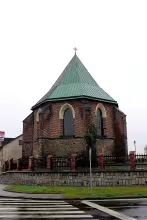
The Chapel of Saint Cross, also known as the Swedish Chapel, exemplifies Gothic brick architecture in Kateřinky, Opava District, Moravian-Silesian Region. Founded by Duke Přemek I. Opavský in 1394, this octagonal chapel is notable for its architectural style and historical significance. Over centuries, it has served various roles, including as a Protestant worship site during the Thirty Years' War and later as a granary. The chapel is renowned for its frescoes depicting the Fifteen Signs of Doomsday, significant in Moravian monumental painting.
Founded by Duke Přemek I. Opavský in 1394 as a votive chapel, its octagonal floor plan may have been inspired by Prague's St. Charles Church, established by Emperor Charles IV. Initially serving religious purposes, it became integral to the local community.
Architecturally, the Chapel of Saint Cross is distinguished by its unique use of materials and design elements. The lower section is constructed from quarry stone, while the upper section uses bricks, separated by a stone cornice. This reflects a distinctive approach to Gothic brick architecture. Historically, it's assumed that the lower part was originally whitewashed to symbolize the colors of the Opava Přemyslid coat of arms, contrasting with the red bricks above. The interior features two profiled portals and several irregularly placed windows with shutters, alongside other sealed spaces likely providing access to a now non-existent sacristy and tower.
Ownership and administration have changed significantly over time. Between 1785 and 1789, it became ducal property and was used as a granary, during which its interior was divided into additional floors, causing damage to the frescoes. In 1907, restoration efforts began after purchase, aiming to preserve its historical integrity using original techniques and materials.
The chapel has witnessed several key events throughout its history. During the Thirty Years' War in the 17th century, it served as a Protestant worship site for Swedish troops, earning its local nickname, the Swedish Chapel. A fire on February 16, 1859, partially destroyed the structure, damaging frescoes and other elements. Following an epidemic of cholera in 1866, the chapel's surroundings became a cemetery, and by 1868-1869, it was designated as a cemetery chapel.
Today, the Chapel of Saint Cross stands as a testament to its rich history and architectural significance. Restoration efforts have preserved much of its original character, including frescoes carefully restored in the early 20th century. The chapel is now recognized as a national cultural monument, having been officially listed on November 15, 1995. Visitors can explore this historical site, appreciating its unique architecture and centuries-old stories.
The Chapel of Saint Cross offers a fascinating glimpse into the architectural and cultural history of the region. Its preservation allows visitors to connect with the past and understand the diverse roles it has played over time. Whether you are an enthusiast of Gothic architecture or simply curious about historical sites, this chapel is well worth a visit.
Historical milestones
- 1394
- The chapel was founded by Duke Přemek I. Opavský.
- 1859
- A fire partially destroyed the chapel.
- 1868
- The area around the chapel became a cemetery.
- 1907
- The chapel was purchased and restoration began.
Architectural development
The chapel's lower part is constructed from quarry stone and topped with a brick upper section separated by a stone cornice. Originally, it may have been whitewashed to symbolize the colors of the Opava Přemyslid coat of arms. The interior was significantly altered in the late 18th century for use as a granary, damaging frescoes. Restoration efforts began in the early 20th century, using original techniques and materials.
Historical events
Served as a Protestant worship site during the Thirty Years' War (17th century)
Partially destroyed by fire on February 16, 1859
Became a cemetery chapel after the establishment of a new cemetery in 1868-1869
Owners
Founded by Duke Přemek I. Opavský in 1394
Became ducal property between 1785 and 1789
Purchased in 1907, leading to restoration efforts
Points of interest
- The Chapel of Saint Cross is locally known as the "Swedish Chapel" due to its use by Swedish troops for Protestant worship during the Thirty Years' War.
- A fire on February 16, 1859, caused significant damage to the chapel's structure and frescoes, highlighting its vulnerability over time despite its historical resilience.
- After serving various functions, including as a granary between 1785 and 1789, the chapel was restored in the early 20th century using original techniques and materials, emphasizing efforts to maintain its historical integrity.
Guide
Show guide text
Welcome to the enchanting Chapel of Saint Cross, known locally as Kateřinky or the Swedish Chapel. As you stand before this historical gem nestled in Opava's heart, take a moment to absorb its serene presence and unique architectural beauty. Founded by Duke Přemek I. Opavský in 1394, this chapel is a testament to Gothic brick architecture that has withstood the test of time.
Let’s delve into the origins and historical context of this remarkable structure. The Chapel of Saint Cross was established by Duke Přemek I. Opavský over six centuries ago, during an era when Gothic architecture flourished in Moravia. Its octagonal floor plan suggests inspiration from Prague's St. Charles Church, a detail that adds to its architectural intrigue.
As you look around, notice the chapel’s distinctive brickwork and the harmonious proportions of its design. The octagonal shape is not only visually striking but also historically significant, reflecting a period when such designs were both innovative and symbolic. Although specific architects remain unknown, their work has left an indelible mark on this region's architectural landscape.
Over the centuries, the chapel has played various roles, adapting to the changing tides of history. During the tumultuous Thirty Years' War, it served as a sanctuary for Protestant worship by Swedish troops, earning its nickname, the "Swedish Chapel." This period highlights the chapel’s importance as a place of refuge and faith amidst conflict.
The chapel's resilience is further illustrated by its survival through adversity. In 1859, a devastating fire ravaged much of its structure and frescoes, yet it stood firm, allowing for restoration efforts that began in 1907 after its purchase. This period of renewal underscores the community’s dedication to preserving this historical monument.
In 1868, the area surrounding the chapel became a cemetery, adding another layer to its rich tapestry of history. As you explore the surroundings, consider how the chapel has witnessed countless stories and transformations over the centuries.
One intriguing mystery that adds to the allure of this site is why it was named after Swedish troops when there are no direct Swedish architectural influences visible today. This enigma invites speculation and curiosity about the many narratives woven into its history.
As you conclude your visit, take a moment to reflect on the chapel’s journey through time—from its founding in 1394 by Duke Přemek I. Opavský to its role as a beacon of faith during wars and beyond. We invite you to continue exploring the rich tapestry of stories that this site has to offer.
Thank you for joining us today at the Chapel of Saint Cross. May your journey through history be filled with wonder and discovery.
Tips for visitors
The best time to visit the Chapel of Saint Cross, also known as the Swedish Chapel, is during late spring or early autumn when the weather is mild and pleasant for exploring outdoor sites. During these months, you can enjoy the serene atmosphere without the crowds that might be present in peak tourist seasons like summer. The chapel's Gothic architecture is particularly striking under soft natural light, making it an ideal time for photography enthusiasts.
Parking near the Chapel of Saint Cross can be a bit limited due to its location within a cemetery and the surrounding cultural heritage sites. However, there are parking options available nearby in Opava, which is close by. Public transportation is also accessible; you can use local buses or trams that connect Opava with various parts of the region. For the most up-to-date information on transport routes and schedules, it's recommended to check a travel app or website.
When visiting the chapel, consider bringing comfortable walking shoes as you'll likely explore the surrounding cemetery area. A camera is advisable for capturing the unique Gothic brickwork of the chapel, especially during golden hours when the light enhances its architectural details. Additionally, carrying a small umbrella or raincoat might be wise in case of unexpected weather changes.
For photography enthusiasts, some of the best spots to capture the Chapel of Saint Cross are from outside looking at its octagonal structure and detailed brickwork. The lighting is particularly beautiful during sunrise or sunset when the chapel's features cast intriguing shadows. Inside, if accessible, photographing the interior can provide a contrast between the exterior and the serene atmosphere within.
In addition to visiting the Chapel of Saint Cross, consider exploring nearby cultural sites within a 30-minute drive from Opava. The region is rich in history and offers several attractions such as castles and museums that delve into the area's heritage. These sites provide additional context and enrich your understanding of the chapel’s historical significance.
For families with children, visiting the Chapel of Saint Cross can be an educational experience. The site provides a glimpse into Gothic architecture and local history, which can be engaging for young minds. Consider planning a small scavenger hunt or quiz based on the architectural features you observe to make the visit more interactive and fun for kids.
Businesses nearby
Do you run a restaurant, accommodation, shop, museum, rental, wellness or other visitor service near this monument? Show yourself directly to the people heading to it — this is how they will see you in the app and on the web:
Nearby
Located near Opava, the chapel is surrounded by a cemetery and lies within a region rich in cultural heritage sites.
Accommodation nearby
Themed route
Thematic Walking Tour: The Chapel of Saint Cross (Kateřinky) and Its Surroundings
1. Chapel of Saint Cross (Kateřinky) *Type:* Religious Site *Why Visit:* This charming chapel, nestled in the village of Kateřinky near Opava, is a serene place steeped in history and spirituality. Known for its architectural beauty and tranquil atmosphere, it's an ideal starting point to explore the cultural heritage of this region.
2. Local Cemetery *Type:* Historical Site *Why Visit:* Just outside the chapel lies a historic cemetery that offers a glimpse into the past lives of those who lived in Kateřinky. Walking through its quiet paths provides a reflective experience, connecting visitors with the local history and traditions preserved over generations.
3. Village Center of Kateřinky *Type:* Cultural Site *Why Visit:* The heart of the village is rich with traditional Moravian-Silesian architecture. Exploring this area allows you to appreciate the quaint charm of rural life in the region, offering insights into local customs and community spirit.
4. Nearby Historical Pathways *Type:* Cultural Heritage Trail *Why Visit:* The pathways leading from the chapel through the village are lined with historical markers that narrate stories of the area's past. These trails provide an engaging way to learn about the cultural significance of Kateřinky and its surroundings.
5. Community Gathering Spaces *Type:* Cultural Site *Why Visit:* Local gathering spots, such as community centers or traditional meeting places, offer a chance to observe contemporary village life while understanding how traditions are maintained in modern times. These spaces highlight the enduring sense of community that defines Kateřinky.
This tour offers an immersive experience into the cultural and historical essence of Kateřinky, providing visitors with both spiritual enrichment and a deeper appreciation for this unique region.
Seasonal recommendations
Spring: Visiting the Chapel of Saint Cross (Kateřinky) during spring offers a unique experience as nature begins to awaken around this historic site. The surrounding landscape is adorned with blooming wildflowers and fresh greenery, creating a vibrant and picturesque setting that enhances the chapel's serene atmosphere. As daylight extends into the evening, visitors can enjoy longer hours of natural light, making it an ideal time for photography or leisurely exploration. Practical tips for spring include wearing layers to accommodate fluctuating temperatures and arriving early in the morning to avoid larger crowds as more people take advantage of the pleasant weather.
Summer: Summer is a popular time to visit the Chapel of Saint Cross due to its warm and inviting atmosphere, with long daylight hours providing ample opportunity to explore both the chapel's interior and its scenic surroundings. The lush greenery and vibrant flowers in full bloom create an idyllic backdrop that complements the historical charm of the site. However, summer also attracts more visitors, so it is advisable to arrive early to avoid crowds and ensure a peaceful experience. Comfortable walking shoes and light clothing are recommended to navigate the area comfortably during warmer days.
Autumn: Autumn brings a special allure to the Chapel of Saint Cross with its stunning display of fall foliage, casting warm hues around the historic structure. The cooler temperatures make for comfortable exploration, while the soft autumn light adds a magical quality to photographs and enhances the chapel's tranquil ambiance. As the days grow shorter, visitors can enjoy extended twilight hours that offer a unique opportunity to experience the site in a different light. Practical advice includes wearing layers to adapt to changing weather conditions and planning visits during weekdays or early mornings to avoid larger crowds.
Winter: The Chapel of Saint Cross takes on an enchanting character in winter, with snow-dusted landscapes creating a picturesque setting that enhances its historic charm. Shorter days mean the chapel is best visited earlier in the day when natural light is still available, allowing visitors to appreciate both the interior and exterior beauty of the site. Winter's crisp air can be invigorating, but it also requires practical preparation; dressing warmly with layers, including a hat and gloves, is essential for comfort during your visit. Additionally, be aware that operating hours may be reduced due to seasonal conditions, so checking in advance is advisable.
Visualizations and artistic views


Vizualizace jsou generovány umělou inteligencí a slouží jako inspirace.


Tips from visitors
No tips yet. Be the first!
Log in and add your tip.




Reviews and comments