






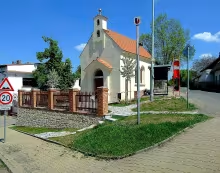
The Chapel of Saint John the Baptist in Holyně stands as a testament to 19th-century architectural ingenuity and cultural heritage within this quaint village in Prague's district. Constructed in 1861, it is notable for its historical significance and status as an immovable cultural monument of the Czech Republic. This chapel serves as a focal point on the main square of Holyně, reflecting both local history and broader national trends during a period of cultural revival.
Built in 1861 at M. Novotný's expense, it marks mid-19th century Bohemia—a time characterized by renewed interest in Czech culture and identity. This era saw the rise of Historicism, an architectural style that embraced elements from various historical periods, including Gothic and Baroque motifs. The Chapel exemplifies this trend through its design and decorative features.
Architecturally, it is defined by a simple rectangular structure with a gabled tile roof, crowned by a small bell tower above the entrance. Its interior boasts a barrel vault ceiling that adds to the sense of historical continuity and grandeur. Illumination comes from two pairs of double-joined windows, allowing natural light to enhance the space's spiritual ambiance. The eastern third houses a wooden altar on stone steps, showcasing an intricate blend of Baroque and Gothic motifs. This altar is adorned with four wooden angels and two candle holders, adding artistic richness. Additionally, a small bell hangs in the bell tower above the entrance, contributing both functionally and aesthetically.
Ownership details are limited to M. Novotný's role as financier, reflecting his contribution to the local community during that period. The chapel has remained an integral part of Holyně since its construction, with no dramatic changes in ownership or purpose documented.
Today, the Chapel remains a cherished cultural monument and is accessible for visitors who wish to explore its historical and architectural significance. Its preservation as an immovable cultural heritage site underscores its importance not only to the local community but also to those interested in Czech history and architecture. The chapel's blend of historic styles and serene setting make it a worthwhile destination for anyone seeking to connect with the past.
Visiting this chapel offers a unique opportunity to appreciate the architectural beauty and historical depth of 19th-century Bohemia, providing insights into the cultural revival that shaped much of modern Czech identity. Its enduring presence in Holyně invites both locals and tourists alike to explore its storied walls and reflect on the rich tapestry of history it represents.
Historical milestones
- 1861
- Kaple svatého Jana Křtitele byla postavena.
- 1860
- Období obrození české kultury a identity.
Architectural development
The Chapel of Saint John the Baptist is characterized by its simple rectangular structure with a gabled tile roof and small bell tower. The interior features a barrel vault ceiling, two pairs of double-joined windows for lighting, and a wooden altar decorated in baroque and gothic styles.
Historical events
- 1861
- The chapel was built at the expense of M. Novotný.
Points of interest
- The Chapel of Saint John the Baptist was built during a period when Bohemia experienced a cultural revival focused on rediscovering and celebrating Czech identity, which is reflected in its architectural style that incorporates elements from various historical periods. - Despite being constructed with Gothic and Baroque motifs, the chapel's interior features a unique combination of styles, including an altar adorned with wooden angels and candle holders, showcasing the intricate craftsmanship typical of 19th-century Bohemian artistry.
Guide
Show guide text
Welcome to the Chapel of Saint John the Baptist in Holyně, a cherished cultural monument nestled at the heart of this village on its main square. As you stand here, take a moment to appreciate the quaint charm enveloping you—the gabled tile roof and the small bell tower rising gracefully above the entrance, inviting you into its historic embrace.
The chapel was constructed in 1861 during an era marked by a cultural revival in Bohemia. This period was characterized by a fervent rediscovery of Czech identity, which is beautifully reflected in the architectural style of this chapel. It incorporates elements from various historical periods, echoing the spirit of renewal and pride that defined the time.
As you gaze upon the structure, notice its harmonious blend of simplicity and elegance. The gabled roof with its tile finish speaks to a traditional aesthetic, while the bell tower adds a touch of quaint charm. These features are not just architectural details but symbols of the cultural revival that swept through Bohemia in the 19th century.
The chapel's interior is equally captivating. Its barrel vault ceiling creates an intimate atmosphere, drawing your eyes upward and inviting contemplation. The two pairs of double-joined windows allow soft light to filter through, illuminating the space with a warm glow. These architectural elements combine to create a serene environment that invites reflection and appreciation.
While many details about its creators remain shrouded in mystery, we know that M. Novotný played a significant role in the chapel's history. Though much about his contributions is not documented, his involvement underscores the communal effort that brought this monument into being during a time of cultural reawakening.
One intriguing aspect of this chapel lies in its very existence as part of a broader movement to celebrate and preserve Czech culture. Built at a time when national identity was being fervently explored and expressed through art and architecture, it stands as a testament to the enduring spirit of Bohemian heritage.
As you continue your visit, we invite you to explore further, to immerse yourself in the stories whispered by these ancient stones, and to feel connected to the cultural tapestry that this chapel represents. Thank you for joining us on this journey through history. We hope it inspires a deeper appreciation for the rich cultural legacy of Holyně and beyond.
Safe travels as you continue your exploration of Hlavní město Praha, and may each step reveal new wonders to cherish.
Tips for visitors
The best time to visit the Chapel of Saint John the Baptist in Holyně is during late spring or early autumn when the weather is pleasant, allowing you to enjoy a leisurely walk around the village and its surroundings without the crowds that summer might bring. The lighting at this time of year enhances the chapel's architectural details, making it ideal for photography enthusiasts.
Parking near the Chapel can be limited due to its central location in Holyně; however, there are usually spots available on the main square or nearby streets. Public transport is a convenient alternative, with several bus lines connecting to Holyně from Prague. It's recommended to check current routes and schedules online before your visit.
When planning your visit, consider bringing comfortable walking shoes as you may want to explore the village and its surroundings. A camera or smartphone for photography is also advisable, especially if you're interested in capturing the chapel's architectural beauty. Don't forget a hat and sunscreen during sunny days.
For photography enthusiasts, the best spots around the Chapel are on the main square where it stands, offering a clear view of its gabled tile roof and bell tower. Early morning or late afternoon light provides soft shadows that accentuate the chapel’s features beautifully. Exploring nearby areas within 30 minutes can also offer unique backdrops for your photos.
Nearby attractions include historical sites and natural landscapes within a 30-minute drive from Holyně, offering a blend of cultural and outdoor activities suitable for families with children. These locations provide opportunities to learn about the region's history while enjoying scenic walks or bike rides.
Businesses nearby
Accommodation nearby
Trips and activities nearby
Guided tours, tickets and activities nearby from GetYourGuide
Search tours and activities →Themed route
Thematic Walking Tour: Holyně and the Chapel of Saint John the Baptist
1. Chapel of Saint John the Baptist (Holyně) - Chapel Begin your journey at the heart of this tour, the *Chapel of Saint John the Baptist*. This charming chapel is a testament to local religious heritage and architectural beauty. Its serene atmosphere makes it an ideal starting point for exploring Holynë's cultural landscape.
2. Local Cemetery (Holyně) - Historical Site A short walk from the chapel will lead you to the *Local Cemetery* in Holynë. This site offers a glimpse into the community’s history and traditions, with gravestones that tell stories of generations past. It is an intriguing place for those interested in local genealogy and historical narratives.
3. Village Square (Holynë) - Community Hub Continue your exploration to the *Village Square*, located just a few minutes from the cemetery. This central area serves as a gathering spot for locals, reflecting the vibrant community life of Holynë. It's perfect for observing daily village activities and perhaps enjoying a moment of relaxation.
4. Community Center (Holynë) - Cultural Venue Conclude your tour at the *Community Center*, situated near the village square. This venue hosts various cultural events and workshops, showcasing local arts and crafts. It’s an excellent place to engage with the community and learn more about Holynë's contemporary cultural scene.
This thematic walking tour offers a comprehensive look into the historical and cultural essence of Holynë, centered around its most significant landmarks.
Seasonal recommendations
Spring: Visiting the Chapel of Saint John the Baptist during spring offers a unique experience as nature awakens around Holyně, with blossoming flowers and lush greenery creating a picturesque backdrop for this historic site. The soft morning light enhances the chapel's architectural details, making it an ideal time for photography enthusiasts. While the weather can be unpredictable, layers are recommended to adapt to changing conditions throughout your visit. Spring is generally less crowded than summer, allowing for a more peaceful exploration of the chapel.
Summer: Summer brings vibrant colors and longer daylight hours, perfect for exploring the Chapel of Saint John the Baptist in Holyně. The lush surroundings are at their peak, providing a stunning natural frame for the historic site. This season sees an increase in visitors, so arriving early is advisable to avoid larger crowds. Comfortable walking shoes and light clothing are recommended due to warmer temperatures. Don't forget your sunscreen and water, as exploring outdoor sites can be more demanding during this time.
Autumn: Autumn offers a serene atmosphere at the Chapel of Saint John the Baptist, with warm hues of reds, oranges, and yellows adorning the landscape around Holyně. The cooler weather makes for a pleasant visit without the summer crowds, allowing you to appreciate the chapel's beauty in tranquility. As days begin to shorten, it is wise to plan your visit during daylight hours to make the most of the natural lighting. Layered clothing will help keep you comfortable as temperatures can vary throughout the day.
Winter: Winter transforms the Chapel of Saint John the Baptist into a serene and mystical site, with snow often blanketing Holyně in a peaceful white cover. The chapel's architecture is particularly striking against the snowy backdrop, creating an atmospheric experience. However, visiting during winter requires preparation due to shorter daylight hours and potential closures; checking opening times in advance is crucial. Dress warmly in layers, including waterproof boots, to ensure comfort as you explore this historic site amidst the quiet of the colder months.
Visualizations and artistic views

Vizualizace jsou generovány umělou inteligencí a slouží jako inspirace.


Tips from visitors
No tips yet. Be the first!
Log in and add your tip.
Location on the map


Příběhy a pověsti
Legendy, pověsti a příběhy spjaté s touto památkou
Reviews and comments