






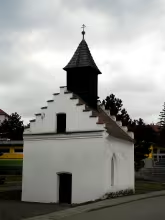
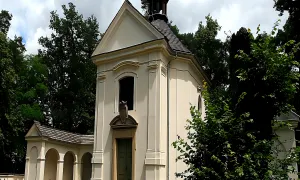
The Chapel of Saint John the Baptist in Dolní Kounice is a notable Renaissance structure with late Gothic elements. It stands at Peace Square near Závodí, built around the mid-16th century on what was once a municipal cemetery. This cultural monument reflects both architectural styles and historical functions.
Originating during Bohemia's significant religious and political changes due to the European Reformation movement in the mid-16th century, the chapel was constructed on land donated by Jan Tišnovský z Cynenberka, then local mayor. While some sources suggest construction began around 1550, others pinpoint it to 1590. Initially serving as both a place of worship and a mortuary chapel, it included facilities for handling the deceased.
Architecturally, the Chapel features Renaissance style with late Gothic influences. It has a simple yet elegant design typical of its era, including a small bell tower topped with a cross that adds to its distinctive silhouette. The modest four-sided oblong building has a gabled roof and smooth white plaster on both exterior and interior walls. Its windows are framed by segmental arches, while the northern and southern walls boast stepped gables. Inside, a barrel vault ceiling supported by iron hooks creates an intimate space for reflection.
Ownership of the chapel has remained with the city of Dolní Kounice since its construction. In 1556, one of its bells was dated to this year, marking a point of historical interest. The cemetery ceased operations on January 1, 1938, with the opening of a new municipal cemetery. During and after World War II, from 1945 to 1948, the chapel suffered considerable damage, leading to the removal of old gravestones and fences in 1948. Restoration efforts were undertaken in 1958, followed by further repairs in the 1990s.
The interior once housed a baroque wooden altar adorned with sculptures of Saint John the Baptist and other saints, adding an artistic dimension to its religious significance. This highlights the chapel’s role as both a place of worship and a repository of art and culture from different periods.
Today, the Chapel is accessible to the public primarily during cultural events organized by the city. Its historical and architectural value makes it an attractive destination for those interested in exploring Czech history and Renaissance architecture. Visitors are invited to experience this unique monument, which offers a glimpse into the past while standing as a testament to its creators and caretakers.
Historical milestones
- 1550s
- The beginning of the chapel's construction during the Reformation in Bohemia.
- 1556
- Dating of the bell in the chapel to the year 1556.
- 1938
- Cancellation of the cemetery at the chapel and opening of a new local graveyard.
- 1945-1948
- Significant damage during and after World War II.
- 1958
- The first restoration of the chapel following wartime damages.
Architectural development
Originally constructed as a Renaissance building with late Gothic elements around the mid-16th century, the chapel underwent significant restoration in 1958. Further repairs were made in the 1990s to preserve its structure and historical integrity.
Historical events
- 1556
- An older bell from the chapel was dated to this year.
- 1938
- The cemetery ceased operations with the opening of a new municipal cemetery.
- 1945-1948
- The chapel and surrounding cemetery were significantly damaged during World War II, leading to the removal of old gravestones and fences in 1948.
Owners
The city of Dolní Kounice is the current owner of the chapel.
Points of interest
- The chapel's construction was funded by Jan Tišnovský z Cynenberka, a notable figure as the mayor of Dolní Kounice during a time of significant religious change in Bohemia. This highlights his influence and commitment to supporting community structures amidst the Reformation.
- Despite its serene appearance today, the chapel has endured considerable turmoil over the centuries, including damage from World War II that led to the removal of historical gravestones and fences, reflecting the broader impacts of conflict on cultural heritage sites.
Guide
Show guide text
Welcome to the Chapel of Saint John the Baptist in Dolní Kounice. As you stand here, take a moment to absorb the serene atmosphere surrounding this historical gem. Nestled within what was once a municipal cemetery, its presence is both humble and profound—a testament to the architectural elegance typical of the Renaissance period with hints of late Gothic influence.
The chapel's origins date back to the 1550s, a time when Bohemia was experiencing significant religious transformation during the Reformation. It was commissioned by Jan Tišnovský z Cynenberka, who served as mayor and played an instrumental role in its construction. His dedication to community structures during such a pivotal era speaks volumes about his influence and commitment.
As you gaze upon the chapel's exterior, notice its simple yet elegant design. The small bell tower adds a delicate touch to its silhouette against the sky. Although specific architectural details are not documented, the overall harmony of form reflects the Renaissance aesthetic that was prevalent at the time of its creation.
Jan Tišnovský z Cynenberka is a key historical figure tied to this site. His leadership and vision during a period of change were crucial in bringing this chapel to life. The bell within the tower, dated 1556, serves as a tangible link to that era, marking time amidst shifting religious landscapes.
An intriguing aspect of this chapel's history is its resilience through adversity. Despite facing significant damage during and after World War II between 1945 and 1948, it underwent restoration in 1958, ensuring its survival for future generations to appreciate.
As you continue your exploration, consider the layers of history embedded within these walls. Each stone tells a story of faith, community, and endurance. We invite you to delve deeper into this remarkable site, discovering more about its past and what it represents today.
Thank you for joining us on this journey through time at the Chapel of Saint John the Baptist in Dolní Kounice. May your visit inspire reflection and appreciation for the rich tapestry of history that surrounds us.
Tips for visitors
The best time to visit the Chapel of Saint John the Baptist is during late spring or early autumn when the weather is pleasant, and the surrounding landscapes are particularly vibrant with blooming flowers or colorful foliage. These seasons also tend to have fewer tourists, allowing for a more serene experience. Additionally, visiting on weekdays can help avoid larger crowds that may gather on weekends.
Parking and transportation options are convenient in Dolní Kounice. There is parking available near Peace Square where the chapel is located, making it accessible by car. For those preferring public transport, you can reach Dolní Kounice using regional buses or trains; however, specific routes should be checked in advance for current schedules. The village's compact size makes exploring on foot a viable option once you've arrived.
When planning your visit to the chapel, consider bringing comfortable walking shoes as you may want to explore the surrounding area and other cultural sites nearby. A camera is recommended to capture the architectural details of the chapel, especially during golden hour when the light enhances its Renaissance features. Additionally, carrying a small umbrella or raincoat can be useful in case of unexpected weather changes.
Photography enthusiasts will find several spots around the chapel ideal for capturing its beauty. The best lighting conditions are typically found early in the morning or late afternoon when the sunlight creates soft shadows and highlights the intricate details of the structure. Position yourself at Peace Square to get a comprehensive view, or move closer to capture the facade's Gothic elements.
In addition to the chapel itself, there are other attractions within a 30-minute drive from Dolní Kounice that you might enjoy exploring. The nearby cultural sites and typical Czech village landscapes offer a glimpse into local history and traditions. For families with children, these areas provide an opportunity for educational outings where kids can learn about regional architecture and heritage.
Businesses nearby
Do you run a restaurant, accommodation, shop, museum, rental, wellness or other visitor service near this monument? Show yourself directly to the people heading to it — this is how they will see you in the app and on the web:
Events nearby


Event source: Kudy z nudy and open data of the Czech Republic
Nearby
Located in Dolní Kounice, the chapel sits at Peace Square near the local part of Závodí. The surrounding area includes typical Czech village landscapes and other cultural sites within the region.
Accommodation nearby
Trips and activities nearby
Guided tours, tickets and activities nearby from GetYourGuide
Search tours and activities →Themed route
Thematic Walking Tour: Dolní Kounice
1. Chapel of Saint John the Baptist (Dolní Kounice) - Type: Chapel - Why Visit: Begin your journey at this charming chapel located in Peace Square, a serene spot that embodies the spiritual and historical essence of Dolní Kounice. The chapel is dedicated to Saint John the Baptist and offers visitors an opportunity to appreciate its architectural beauty and peaceful atmosphere.
2. Local Part of Závodí - Type: Cultural Site - Why Visit: A short walk from the chapel, this area provides a glimpse into the local heritage and community life in Dolní Kounice. It's an excellent place to explore the cultural fabric of the region and understand how traditional Czech village landscapes have shaped the identity of Dolní Kounice.
3. Peace Square - Type: Public Space - Why Visit: Return to Peace Square, where you can enjoy a moment of tranquility after exploring the local part of Závodí. This central location is perfect for reflecting on your visit and appreciating the harmonious blend of nature and architecture that characterizes Dolní Kounice.
This tour offers an intimate look at Dolní Kounice's cultural landmarks, providing insights into its historical and spiritual significance while allowing you to immerse yourself in the quintessential Czech village experience.
Seasonal recommendations
Spring: The arrival of spring breathes new life into the Chapel of Saint John the Baptist, with its surroundings adorned by blooming flowers and lush greenery that create a picturesque setting for visitors. The soft, warm light of early mornings or late afternoons enhances the chapel's architectural details, making this season ideal for photography enthusiasts. With fewer tourists compared to summer, it’s an excellent time to explore at your own pace. Dress in layers as temperatures can vary, and consider visiting on a weekday to avoid any potential crowds.
Summer: During the peak of summer, the Chapel of Saint John the Baptist is enveloped by vibrant nature, with long daylight hours providing ample opportunity for exploration. The warm weather invites visitors to enjoy outdoor activities around Dolní Kounice before or after their visit. However, this season also sees an increase in tourists, so arriving early in the day can help avoid larger crowds and ensure a more serene experience. Light, breathable clothing is recommended, along with sun protection.
Autumn: Autumn transforms the chapel's surroundings into a tapestry of warm colors, offering a unique atmosphere that’s both tranquil and visually stunning. The cooler temperatures make for comfortable wandering through the nearby landscapes, which are especially beautiful during this season. As the days begin to shorten, planning your visit in the morning can allow you to fully appreciate the natural beauty before it dims with the setting sun. Layered clothing is advisable to adjust to changing temperatures throughout the day.
Winter: The winter months cloak the Chapel of Saint John the Baptist in a serene blanket of snow, offering a magical and peaceful atmosphere that’s quite different from other seasons. While the chapel itself remains open for visitors, it's important to note that opening hours may be shorter due to the season. Dress warmly in insulated layers, and consider bringing gloves and a hat for comfort during your visit. Winter also presents fewer crowds, allowing for a more intimate experience with this historic site.
Visualizations and artistic views

Vizualizace jsou generovány umělou inteligencí a slouží jako inspirace.


Tips from visitors
No tips yet. Be the first!
Log in and add your tip.

Reviews and comments