






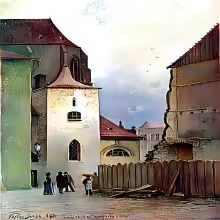
The Chapel of Saint Ludmila was once part of the Hospital Church of Our Lady before Tyn in Prague's Old Town. This significant medieval chapel featured a crypt and stood at the junction of Celetná Street and Štupartská Street. Founded in the 13th century, it was rebuilt around 1300. Historically notable for its association with Saint Ludmila, who is said to have established a Marian chapel there between the 9th and 10th centuries, it was demolished in 1894 during urban renewal efforts.
The Chapel's origins are linked to the Hospital Church of Our Lady before Tyn, reflecting cultural and political developments in Bohemia under the Přemyslid dynasty. The 13th century saw Gothic architecture flourish across Europe, influencing many religious structures in Prague. Initially a Romanesque structure, the chapel was later rebuilt into a Gothic single-nave chapel with a crypt. It featured architectural elements such as a portal with a pointed arch and preserved fragments of vault ribs and consoles adorned with plant motifs.
Architecturally, the Chapel showcased typical Gothic features like its single-nave design and crypt. Its historical significance is highlighted by archaeological findings that offer insights into medieval architecture and history. Notably, eight Gothic capitals with plant motifs were preserved and are now displayed at the Lapidarium of the National Museum in Prague.
Throughout its existence, the chapel underwent significant changes, especially during the late 19th century when it faced demolition as part of urban renewal efforts in Prague. Despite opposition from some heritage committee members who argued for its preservation due to historical value, it was demolished to make way for other development projects.
Today, the site where the Chapel once stood is a free space near the Church of Our Lady before Tyn. Although the chapel no longer exists, its legacy endures through archaeological findings and preserved architectural elements housed at the National Museum. This area remains part of Prague's Old Town, known for its rich history and architectural heritage.
Visiting this site offers a unique opportunity to connect with Prague's medieval past. While the chapel is gone, the surrounding historical context and preserved artifacts provide a tangible link to the city's storied history, making it a worthwhile destination for those interested in exploring the layers of time that have shaped Prague.
Historical milestones
- 1894
- The chapel was demolished as part of urban renewal efforts in Prague.
Architectural development
The chapel was initially a Romanesque structure, later rebuilt into a Gothic single-nave chapel with a crypt. It featured architectural elements such as a portal with a pointed arch and preserved fragments of vault ribs and consoles with plant motifs. The chapel's historical significance was recognized through archaeological findings, although it was ultimately demolished in the late 19th century.
Historical events
Founded in the 13th century as part of the Hospital Church of Our Lady before Tyn.
Rebuilt around 1300 and served until its demolition in 1894.
Points of interest
- The Chapel of Saint Ludmila was originally part of a larger complex known as the Hospital Church of Our Lady before Tyn, reflecting its integration into a significant medical and religious institution in medieval Prague.
- Despite being demolished in 1894, eight Gothic capitals with intricate plant motifs from the chapel were preserved and are now exhibited at the Lapidarium of the National Museum in Prague, allowing visitors to appreciate their detailed craftsmanship.
Guide
Show guide text
Welcome to the site of the Chapel of Saint Ludmila in Prague's historic Old Town. You stand at a place where history and legend intertwine, at the intersection of Celetná Street and Štupartská Street. Though the chapel itself no longer stands, its legacy endures through stories and remnants that evoke a bygone era.
The Chapel of Saint Ludmila was originally part of the Hospital Church of Our Lady before Tyn, reflecting its integral role in both religious and medical life during medieval times. Founded in the 13th century and rebuilt around 1300, it served as a significant spiritual site dedicated to Saint Ludmila, an influential figure known for her piety and patronage.
As you stand here, imagine the architectural elegance that once graced this location. The chapel was renowned for its Gothic design elements, including intricately carved capitals—a testament to the craftsmanship of the era. These details speak volumes about the artistic endeavors of medieval Prague, where every stone told a story.
Saint Ludmila herself is central to the chapel's historical narrative. Revered as a saint and the grandmother of Saint Wenceslas, she was instrumental in promoting Christianity in Bohemia. It is said that she founded a Marian chapel here, making this site a focal point for devotion and pilgrimage.
One intriguing aspect of the chapel’s history is its connection to the larger Hospital Church complex, highlighting its role as both a spiritual sanctuary and a place of healing. Despite its demolition in 1894 during urban renewal efforts, remnants like eight Gothic capitals have survived, offering a tangible link to this medieval past.
As you reflect on this site's rich tapestry of history and spirituality, consider exploring more of Prague’s Old Town to uncover further stories woven into the city’s fabric. Thank you for joining me in revisiting this remarkable chapter of Prague’s heritage. Until next time, may your journey through history continue to inspire and enlighten.
Tips for visitors
The best time to visit the area around the former Chapel of Saint Ludmila is during late spring or early autumn. During these months, the weather is pleasant for walking through Prague's Old Town, and the crowds are typically smaller than in peak tourist seasons like summer or winter holidays. This allows for a more relaxed exploration of the historic surroundings.
Parking near Prague’s Old Town can be challenging due to limited spaces and high demand. It is advisable to use public transportation instead. The area is well-served by trams, buses, and metro lines that connect to other parts of the city efficiently. For those who prefer driving, there are parking garages available, but it's best to check their availability in advance.
When visiting this historic site, consider bringing comfortable walking shoes as you'll likely be exploring on foot. A map or a navigation app can help you navigate through the Old Town’s narrow streets and alleys. Additionally, carrying a water bottle is recommended, especially during warmer months, to stay hydrated while enjoying your visit.
Photography enthusiasts will find the area around the former Chapel of Saint Ludmila picturesque, particularly in the early morning or late afternoon when the light is softer. The Church of Our Lady before Tyn nearby offers excellent vantage points for capturing the architectural beauty of the Old Town. Be mindful of any restrictions on photography within certain areas.
For families with children visiting this area, consider exploring the nearby Charles Bridge and the Prague Castle complex, both within a 30-minute walk or short public transport ride. These sites offer engaging history and stunning views, making them perfect for family outings. Additionally, there are several parks in the vicinity where children can play.
Businesses nearby
Nearby
The chapel was located near the Church of Our Lady before Tyn, a significant historical monument itself. The area is part of Prague's Old Town, known for its rich history and architectural heritage.
Accommodation nearby
Trips and activities nearby
Guided tours, tickets and activities nearby from GetYourGuide
Search tours and activities →Themed route
Tematická výletní trasa: Kaple svaté Ludmily a okolí
1. Kaple svaté Ludmily *Typ:* Historická kaple *Proč stojí za návštěvu:* Tato malá, ale významná gotická kaple je známá jako místo pohřbení svaté Ludmily, patronky Čech. Její historie a architektonická krása přitahují návštěvníky z celého světa.
2. Kostel Panny Marie před Týnem *Typ:* Historický kostel *Proč stojí za návštěvu:* Nachází se v neposlední řadě od kaple svaté Ludmily a je jedním z nejznámějších gotických chrámů Prahy. Jeho výšková věž nabízí nádherný pohled na staroměstskou část města.
3. Staroměstské náměstí *Typ:* Historické náměstí *Proč stojí za návštěvu:* Toto centrum Starého Města je známé svou krásnou architekturou a historií. Je domovem staroměstské radnice, jejíž věž s dvanáctičlenným zvonem je ikonickým symbolem Prahy.
4. Staroměstská radnice *Typ:* Historická budova *Proč stojí za návštěvu:* S jejími výraznými gotickými prvky a historií, která sahá do 13. století, je to jedna z nejznámějších budov na Staroměstském náměstí. Je také domovem staroměstského orloje s jeho fascinujícím mechanickým systémem.
5. Křižovatka u kostela Panny Marie před Týnem *Typ:* Historická křižovatka *Proč stojí za návštěvu:* Tato místa jsou známá svými významnými sochami a architektonickým bohatstvím. Slouží jako centrum pro mnoho kulturních událostí a je ideálním místem, kde si užít atmosféry Starého Města.
Tato trasa nabízí pohled na některé z nejvýznamnějších historických památek v Praze, zejména v oblasti kolem kaple svaté Ludmily.
Seasonal recommendations
Spring: The Chapel of Saint Ludmila, although demolished, offers a unique view in the spring season of the growing greenery in surrounding gardens and parks. Sunny days bring vibrant colors from flowers and trees, creating an enchanting atmosphere for visitors. During this period, crowd numbers can be moderate, but it's advisable to arrive early in the day to enjoy quieter moments and views without the crowds. Dress according to the temperature — spring days are typically damp with sudden weather changes, so wearing layered clothing is useful.
Summer: In summer, the area around Saint Ludmila's Chapel transforms into a lively and colorful landscape filled with blooming flowers, enhancing its beauty. Sunny days can be very warm, so it's best to visit early in the morning or late in the evening to avoid the heat and crowds typical of the main summer season. Don't forget sun protection sunglasses and plenty of water, while light clothing can help keep you cooler during your tour.
Autumn: The autumn season around Saint Ludmila's Chapel offers beautiful fiery tree colors that bring a gentle atmosphere of calm and relaxation. Sunny days can be warm but colder evenings require appropriate clothing for temperature changes. It is typically a quieter midday period with lower crowd numbers, making it an ideal choice for a peaceful tour. Bringing along a blanket or hat can be useful for protection against the sun's rays.
Winter: A winter visit to the area around Saint Ludmila's Chapel offers a quiet and serene view as greenery gives way to silver snow. Sunny days can be dazzling and cold, so it's best to come with warm clothing, including a hat and gloves. The operating hours of the monument may be shortened during winter months, so it's advisable to check the schedule before your visit. Despite the cold, crowd numbers are usually low, allowing for a peaceful experience and view of the historic site in its winter form.
Visualizations and artistic views


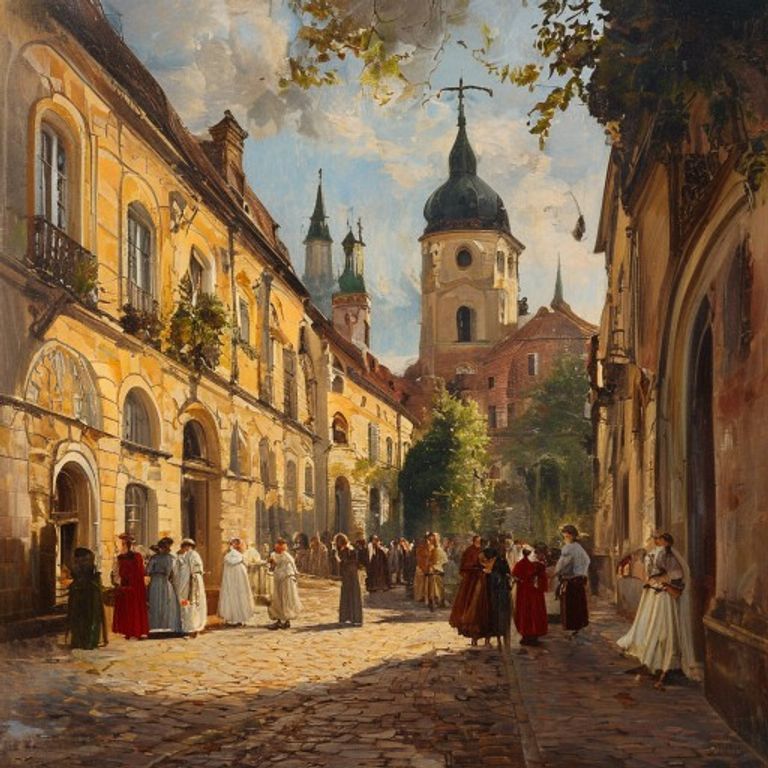
Vizualizace jsou generovány umělou inteligencí a slouží jako inspirace.


Tips from visitors
No tips yet. Be the first!
Log in and add your tip.
Location on the map



Příběhy a pověsti
Legendy, pověsti a příběhy spjaté s touto památkou
Reviews and comments